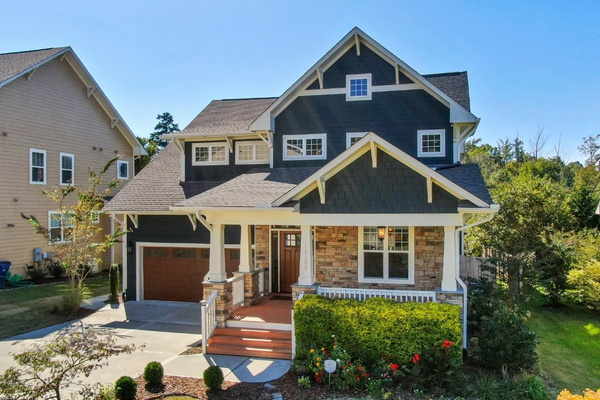

If you’re eyeing a $500,000 home, you’re likely wondering how much income you need to make this dream a reality. As a mortgage professional with years of experience, I’ve guided many clients through similar purchases. Let’s break down the factors that determine the income needed for a $500K house and explore some realistic scenarios.
The Quick Answer
According to recent Federal Reserve reports, median home purchase prices have increased significantly over the past few years, impacting affordability for many buyers.
To afford a $500,000 house, you typically need an annual income between $125,000 to $160,000, which translates to a gross monthly income of approximately $10,417 to $13,333, depending on your financial situation, down payment, credit score, and current market conditions. Over the past few years, both housing prices and mortgage rates have shifted, making it even more important to assess your specific circumstances to determine the exact income required.
Introduction to Home Affordability
When considering how much income you need to afford a $500k house, it’s important to look beyond just the sticker price. Several key factors come into play, including your down payment, credit score, debt-to-income ratio, interest rates, and ongoing monthly costs like property taxes and homeowners insurance. Each of these elements can significantly impact your monthly payment and overall financial commitment. Understanding how these key factors interact will help you determine not only if you can afford a 500k house, but also if it fits comfortably within your financial situation. Careful planning and a clear assessment of your income, debts, and monthly costs are essential to ensure your home purchase is sustainable for the long term.
Key Factors Affecting Required Income
Several elements play crucial roles in determining the income needed for a $500K house, especially since lenders look at your total household income when determining eligibility for a home loan:
- Interest Rates
- Loan Term
- Down Payment
- Debt-to-Income (DTI) Ratio
- Other Factors
These factors collectively determine your overall housing costs, which are crucial in assessing the income needed for a $500,000 home and how much house you can afford.
Let’s explore how each of these impacts the income required for a $500,000 home.
- 20% down ($100,000): Typically the minimum to avoid Private Mortgage Insurance (PMI). For a $500,000 home, a 20% down payment is $100,000.
- 10% down ($50,000): May result in slightly higher rates, requires PMI
- 5% down ($25,000): Lower upfront costs, but higher monthly payments and requires PMI
In addition to the down payment, you should also consider closing costs, which can significantly impact your overall affordability.
Lenders typically prefer a DTI of 43% or lower, which means your debt payments, including mortgage, credit cards, and other loans, should not exceed this percentage of your income. The DTI ratio includes your potential new mortgage payment as well as all recurring monthly debts such as credit cards, car loans, student loans, and other debts. Some may go up to 50% for highly qualified borrowers.
As of 9/17/2025, average 30-year fixed mortgage rates are around 6.50%. Even small changes in the mortgage rate can have a big impact on affordability. For example, the monthly payment for a $500,000 home with a 20% down payment at 6.5% interest is approximately $2,528, which includes both mortgage principal and interest. The loan term and mortgage rate directly affect your total cost and monthly payment.
For a $500,000 home, you’ll likely need a good to excellent credit score. A higher credit score can help you secure a lower mortgage rate, which can reduce the cost of your home loan over the loan term.
When determining how much you can borrow, lenders set a maximum amount based on your household income and debt-to-income ratio. Other factors, such as your employment status, savings, and overall financial health, are also considered when determining how much house you can afford.
Down Payment Options
The size of your down payment is one of the most influential factors in determining the loan amount and monthly mortgage payments for a $500,000 home. A larger down payment means you’ll borrow less, which directly reduces your monthly mortgage and the income required to qualify. For example, putting down $250,000 on a 500,000 home means you only need a $250,000 mortgage, resulting in much lower monthly payments. On the other hand, financing 90% of the purchase price leads to higher monthly mortgage payments and a higher income requirement. Additionally, a larger down payment can help you avoid private mortgage insurance (PMI), which is typically required if you put down less than 20%. Avoiding PMI can save you hundreds of dollars each month. Lenders also tend to offer better mortgage rates to buyers with larger down payments, as they represent a lower risk. Ultimately, the more you can put down upfront, the more affordable your monthly mortgage will be, and the easier it will be to qualify for the loan.
Credit Score and Mortgage Rates
Your credit score plays a crucial role in determining the interest rate you’ll receive on your mortgage, which in turn affects your monthly payment and the total cost of your 500,000 home. Credit scores range from 300 to 850, with scores above 670 generally considered good. If your score is below 620, you may still qualify for certain loan programs like FHA loans, but you’ll likely face higher interest rates and additional fees. Lenders use your credit score to assess your reliability as a borrower, higher scores mean lower risk, which can lead to lower mortgage rates and more favorable loan terms. Even a small difference in your credit score can have a big impact on your monthly mortgage payment. For instance, on a $400,000 loan for a $500,000 home, a borrower with excellent credit (760-850) might secure a 6% interest rate and a monthly payment of $2,398, while someone with a lower score (620-639) could pay 7.5% and $2,797 per month. That’s nearly $400 more each month, or $144,000 over the life of a 30-year loan. Improving your credit score before applying for a mortgage can help you qualify for a better rate and lower your monthly costs.
Debt to Income Ratio
Lenders use your debt-to-income ratio (DTI) to determine how much of your gross monthly income goes toward debt payments, including your new mortgage. This ratio is a key factor in deciding how much you can borrow for a 500k house. DTI includes all monthly debts such as credit cards, student loans, car loans, and child support, plus your projected mortgage payment. Most mortgage lenders prefer a DTI of 43% or less, as a lower ratio indicates you’re less likely to struggle with monthly payments. For example, if your gross monthly income is $5,000 and you have $1,000 in existing debts, your DTI before the mortgage is 20%. If the maximum allowed DTI is 43%, you could have up to $2,150 in total debt payments, leaving $1,150 available for your monthly mortgage payment. Keeping your monthly debts low and your DTI in check not only improves your chances of loan approval but also helps you qualify for a larger loan amount and more favorable terms.
Homeowners Insurance and Additional Costs
Owning a home comes with more expenses than just the monthly mortgage payment. Property taxes, homeowners insurance, maintenance costs, and utilities all contribute to your total monthly costs and should be factored into your budget when determining how much income you need to afford a 500k house. Property taxes can vary widely depending on your location, while homeowners insurance premiums are influenced by the home’s age, location, and coverage needs. It’s wise to shop around for insurance to get the best rate, especially if your home is in an area prone to natural disasters, which may require additional coverage. Maintenance costs are another important consideration, experts recommend budgeting about 1% of your home’s value each year for repairs and upkeep, which amounts to at least $5,000 annually for a $500,000 home. By planning for these additional costs, you’ll ensure your monthly mortgage payment and overall housing costs remain manageable, setting you up for long-term, stress-free homeownership.
Other Financial Obligations
Consider ongoing expenses such as property taxes, homeowners insurance, and potentially HOA fees. For a $500K home, these can be substantial. Property taxes can significantly vary depending on your location.
Location and Loan Type Considerations
In some areas, a $500,000 home may require a jumbo loan, which typically has stricter requirements and slightly higher rates. Location affects home prices and can alter the affordability of a home.
Let’s look at some realistic scenarios for affording a $500,000 home:
These scenarios will help you understand how your monthly income affects your ability to afford a $500,000 home.
- 20% down payment ($100,000)
- 30-year fixed mortgage at 6.25%
Required Income: Approximately $125,000 per year
- Monthly Mortgage Payment: $2,770
- Estimated Taxes and Insurance: $835
- Total Monthly Housing Cost: $3,605
Securing a favorable mortgage loan with these terms can make a significant difference in your overall affordability.
- 10% down payment ($50,000)
- 30-year fixed mortgage at 6.5%
- Some existing debts (e.g., $500/month in student loans)
Required Income: Approximately $145,000 per year
- Monthly Mortgage Payment: $2,975
- Estimated Taxes and Insurance: $835
- PMI: $190
- Total Monthly Housing Cost: $4,000
- 5% down payment ($25,000)
- 30-year fixed mortgage at 6.75%
Required Income: Approximately $160,000 per year
- Mortgage Payments: $3,295
- Estimated Taxes and Insurance: $835
- PMI: $285
- Total Monthly Housing Cost: $4,415
Expert Tips for Prospective $500K Home Buyers
- Boost your credit score: Even a small increase can lead to significant savings on a $500K loan, and you could potentially save thousands over the life of your mortgage by qualifying for a lower interest rate.
- Consider a longer-term loan: While 30-year mortgages are standard, some lenders offer 40-year terms.
- Explore different loan options: Conventional, jumbo, and potentially FHA loans have different requirements.
- Understand the purchase price: Knowing the purchase price of the home helps you calculate the down payment, closing costs, and overall affordability, including how much you may need to pay upfront and how this affects your borrowing costs.
- First-time homebuyers may face unique challenges, such as smaller down payments or limited credit history, but there are specific programs designed to help them purchase a starter or forever home.
- Look into homebuying assistance programs, these can help with down payment or closing costs, especially for first-time homebuyers, through government, local, or state resources.
- Work with a real estate agent who can guide you through the process of buying a half million dollar home, from finding the right property to negotiating and closing the deal.
To comfortably afford a $500,000 house, you’ll likely need an annual income between $125,000 to $160,000, depending on your specific financial situation and the terms of your mortgage. Remember, just because you can qualify for a loan doesn’t mean you should stretch your budget to the maximum.
At DSLD Mortgage, we specialize in helping individuals and families navigate the complexities of home buying, especially for homes in this price range.
We understand that buying a $500,000 home is a significant financial decision. Our goal at DSLD Mortgage is not just to help you secure a loan, but to ensure you’re set up for long-term financial success.
How much will your mortgage be? You can use DSLD Mortgage’s Mortgage Calculator to estimate your monthly mortgage payment.
Current mortgage rates holding you back? Don’t miss out on these deals! Buy a home with DSLD Mortgage and take advantage of our limited-time mortgage promotions.
Mortgage FAQs
Owning a home is a dream we help bring to life every day. You probably have a lot of questions, and that’s a good thing! Here are the answers to some of the most frequently asked questions we get, designed to make your path to homeownership as smooth as possible.
- Debt-to-Income Ratio (DTI)
- Credit Score
- Down Payment
- Other Financial Obligations
- Interest Rates
- Location
Consider ongoing expenses such as property taxes, homeowners insurance, HOA fees, closing costs, and maintenance costs.
Yes, but those debts will count toward your debt-to-income ratio. If your monthly payments are high, they can reduce the mortgage amount you qualify for. Paying down debt before applying for a mortgage can improve your approval chances and help you afford a higher-priced home.
Begin Your Home Search with DSLD Homes

To get a feel for the lifestyle that awaits you in a DSLD Homes community, visit one of their communities throughout the Southern Region.
With a diverse selection of floor plans and communities to choose from, you’re sure to find the perfect fit for your lifestyle.