
If you’re earning $80,000 a year and looking to buy a home, you’re probably wondering about your purchasing power in today’s real estate market. Well, your $80k salary holds more power than you might realize. It’s time to understand its potential in the housing market.
Drawing from my extensive mortgage experience, I’ll explain your options for affordable homeownership and reveal some opportunities you might not have considered.
The Quick Answer
With an $80,000 annual salary, you could potentially afford a house priced between $240,000 and $320,000, depending on your financial situation, credit score, and current market conditions. However, this is a broad range; your specific circumstances will determine where you fall.
Key Factors Affecting Your Home Affordability
Several elements play crucial roles in determining how much house you can afford:
- Debt-to-Income Ratio (DTI)
- Credit Score
- Down Payment
- Current Interest Rates
- Other Financial Obligations
- Location.
Gross monthly income is a critical component in calculating affordability, as it forms the basis for determining the debt-to-income ratio and maximum mortgage payments.
Let’s explore how each impacts your homebuying power on an $80,000 salary.
1. Debt-to-Income Ratio (DTI)
Your DTI is crucial in determining your home’s affordability. Most lenders prefer a DTI of 43% or lower, though some may go up to 50% for highly qualified borrowers. Auto loans, along with other debts, contribute to your total monthly debt payments and impact your DTI ratio.
Calculation Example:
- Monthly Income: $6,667 ($80,000 / 12)
- Maximum Monthly Debt Payments (at 43% DTI): $2,867
- Maximum Monthly Debt Payments (at 50% DTI): $3,333.
These figures need to cover your potential mortgage payment plus any existing debts. Total monthly debt payments include housing, auto loans, and other debts.
2. Credit Score
Your credit score significantly impacts the interest rate you’ll be offered, which in turn affects how much house you can afford:
- Excellent (740+): Best rates, maximum affordability
- Good (700-739): Slightly higher rates, still good affordability
- Fair (650-699): Higher rates, reduced affordability
- Poor (below 650): Highest rates, significantly reduced affordability, or potential disqualification.
3. Down Payment
The size of your down payment affects both your loan amount and potentially your interest rate:
- 20% down: Avoids Private Mortgage Insurance (PMI), maximizes affordability
- 10% down: May result in slightly higher rates, requires PMI
- 3.5% down (FHA minimum): Lower upfront costs but higher monthly payments and requires mortgage insurance.
4. Current Interest Rates
As of 7/3/2024, average 30-year fixed mortgage rates are around 6.75%. Even small changes in interest rates can have a significant impact on affordability.
5. Other Financial Obligations
Consider ongoing expenses such as property taxes, homeowners insurance, and potential HOA fees. These can significantly impact your monthly housing expenses. Don’t forget to include closing costs in your budget calculations, as they can be covered by assistance programs and loans and are crucial when saving for a bigger down payment.
6. Location
Property taxes and insurance costs vary greatly by location, affecting overall affordability. High-cost areas will reduce the price of the home you can afford on an $80k salary.
Affordability Scenarios
Let’s look at some realistic scenarios based on an $80,000 salary.
The monthly mortgage payment is calculated based on your income, interest rates, down payments, savings, and total debt payments. A mortgage lender plays a crucial role in determining the terms of the mortgage and can provide advice tailored to your specific financial situation.
Conservative Scenario
- 20% down payment
- Excellent credit score (740+)
- No other significant debts
- 30-year fixed rate at 5.99%.
Potential home price: Around $280,000
- Monthly payment: ~$2,150 (including estimated taxes and insurance)
- Down payment: $56,000.
Breakdown
- Principal and Interest: $1,675
- Estimated Taxes and Insurance: $475.
Moderate Scenario
- 10% down payment
- Good credit score (700-739)
- Some existing debts (e.g., $300/month in student loans)
- 30-year fixed rate at 6.25%.
Potential home price: Around $260,000
- Monthly payment: ~$2,200 (including estimated taxes, insurance, and PMI)
- Down payment: $26,000.
Breakdown
- Principal and Interest: $1,600
- Estimated Taxes and Insurance: $440
- PMI: $160.
Aggressive Scenario (FHA Loan):
- 3.5% down payment
- Fair credit score (650-699)
- Minimal existing debts
- 30-year fixed rate at 6.5%.
Potential home price: Around $240,000
- Monthly payment: ~$2,150 (including estimated taxes, insurance, and mortgage insurance)
- Down payment: $8,400.
Breakdown
- Principal and Interest: $1,460
- Estimated Taxes and Insurance: $400
- FHA Mortgage Insurance: $290.
Compared to FHA Loans, VA Loans offer significant benefits such as the ability to skip the down payment, no mortgage insurance, and favorable credit score and debt-to-income ratio requirements.
Expert Tips for Maximizing Affordability on an 80k Salary
- Improve your credit score: Even a small increase can lead to better rates and higher affordability.
- Pay down existing debts: This lowers your DTI, potentially allowing you to qualify for a larger loan.
- Save for a larger down payment: This will reduce your loan amount and can help you avoid PMI. A larger down payment can also lower your mortgage payments and increase affordability.
- Consider a less expensive area: If possible, looking in areas with lower property values can increase your buying power.
- Explore first-time homebuyer programs: Many states offer down payment assistance or favorable loan terms for first-time buyers.
- Look into FHA Loans: These can be easier to qualify for and allow lower down payments — and come with mortgage insurance.
The Bottom Line
On an $80,000 salary, you could afford a house worth between $240,000 and $280,000, depending on your specific financial situation. This range assumes you have a good credit score and manageable existing debts.
Remember, just because you can qualify for a certain home price doesn’t mean you should stretch your budget to the max. Consider your other financial goals and ensure you’re comfortable with the monthly payments.
As a mortgage professional, I always advise my clients to think long-term. A house that’s comfortably within your budget will provide more financial flexibility and peace of mind in the years to come.
Before making any decisions, I recommend speaking with a qualified mortgage professional who can provide personalized advice based on your unique financial situation and goals. They can help you tackle the complexities of homebuying and find the best mortgage solution for your needs, especially in today’s unpredictable real estate market.
See How Much You Can Afford
— calculate what you can afford with our Affordability Calculator.
How much will your mortgage be? You can use DSLD Mortgage’s Mortgage Calculator to estimate your monthly mortgage payment.
Current mortgage rates holding you back? Don’t miss out on these deals! Buy a home with DSLD Mortgage and take advantage of our limited-time mortgage promotions.
Mortgage FAQs
Owning a home is a dream we help bring to life every day. You probably have a lot of questions, and that’s a good thing! Here are the answers to some of the most frequently asked questions we get, designed to make your path to homeownership as smooth as possible.
- Debt-to-Income Ratio (DTI)
- Credit Score
- Down Payment
- Other Financial Obligations
- Interest Rates
- Location.
Consider ongoing expenses such as property taxes, homeowners insurance, HOA fees, and closing and maintenance costs.
Begin Your Home Search with DSLD Homes
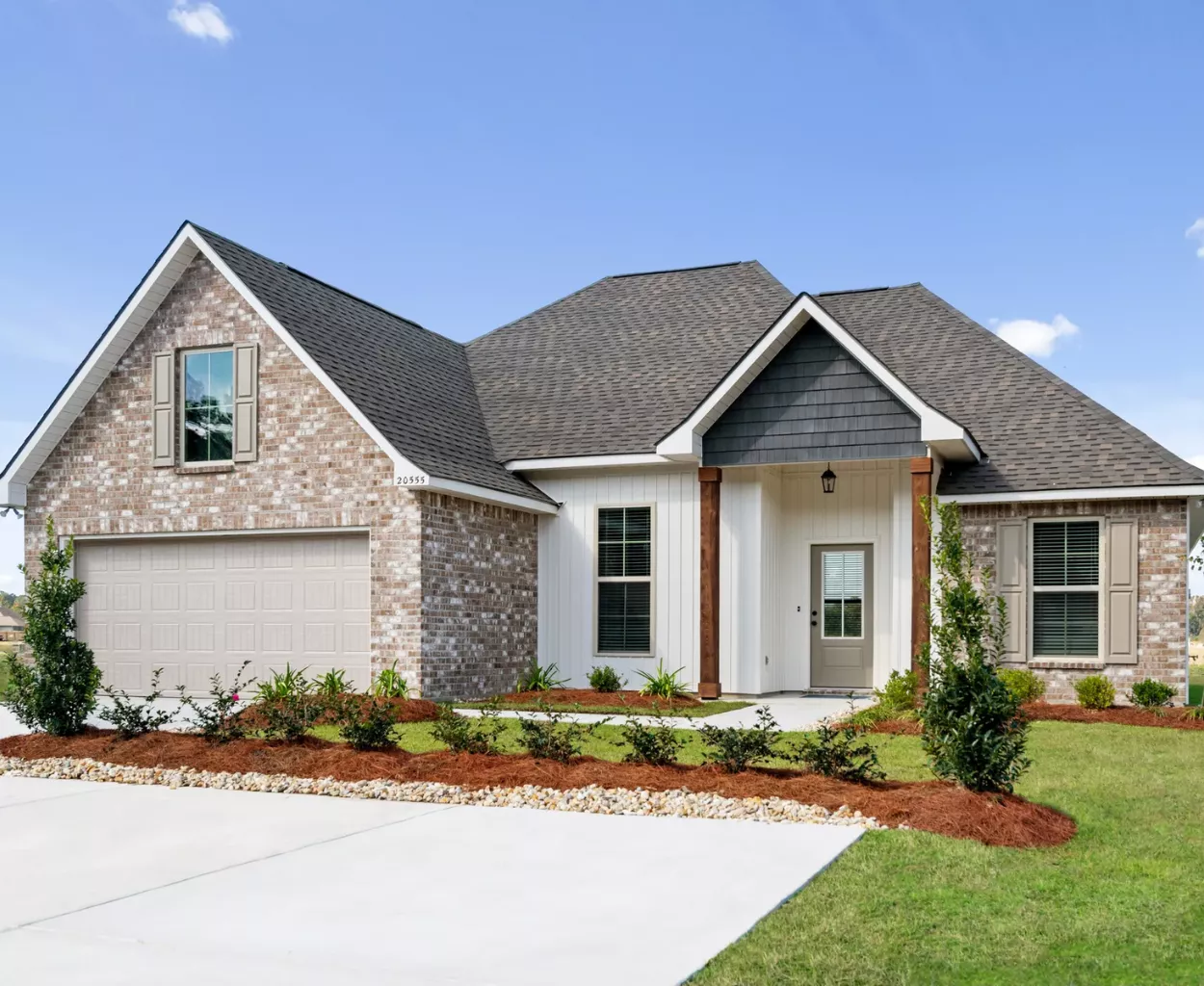
To get a feel for the lifestyle that awaits you in a DSLD Homes community, visit one of their communities throughout the Southern Region.
With a diverse selection of floor plans and communities to choose from, you’re sure to find the perfect fit for your lifestyle.


