
A $120,000 salary is a powerful asset when buying a home. Let’s turn that potential into confident decisions. As a mortgage expert, I’ll break down your options and the process, arming you with knowledge and insights to find the perfect home that aligns with your budget and aspirations.
The Quick Answer
With a $120,000 annual salary, you could potentially afford a house priced between $450,000 and $500,000, depending on your financial situation, credit score, and current market conditions. However, this is a broad range; your specific circumstances will determine where you fall.
Key Factors Affecting Your Home Affordability
While a $120,000 salary provides a solid foundation, several factors influence the price range you can comfortably afford. Let’s look into how each element plays a role:
- Credit Score: Your creditworthiness, reflected in your credit score, impacts the interest rates you’ll be offered. A higher score unlocks access to more favorable terms, saving you thousands over the life of your loan and potentially expanding your budget.
- Down Payment: The size of your down payment directly influences your loan amount and monthly mortgage payments. A larger down payment can reduce borrowing costs and potentially mean you can get a more expensive home.
- Location and Loan Type Considerations: Housing costs vary widely across regions, and different loan types come with unique terms and requirements. Factor in location-specific factors and explore different types of mortgages to make the most informed decisions.
- Debt-to-Income Ratio (DTI): Lenders closely examine your DTI to gauge your capacity to handle a mortgage alongside existing debts. A lower DTI typically translates to greater borrowing potential, allowing you to explore higher-priced homes.
- Current Interest Rates: Even minor fluctuations in interest rates can significantly impact affordability. It’s essential to stay informed about current market trends and consider their implications on your budget.
- Other Financial Obligations: Existing debts, such as student loans or car payments, can affect your DTI and overall affordability. Be mindful of these obligations when evaluating your homebuying capacity.
It’s crucial to consider your monthly debts and total debt payments when calculating how much house you can afford.
Let’s explore how each of these impacts your homebuying power on a $120,000 salary.
1. Debt-to-Income Ratio (DTI)
Your DTI is crucial in determining your home’s affordability. Most lenders prefer a DTI of 43% or lower, though some may go up to 50% for highly qualified borrowers. These figures need to cover your potential mortgage payment plus any existing debts, including credit card debt.
Calculation Example:
- Monthly Income: $10,000 ($120,000 / 12)
- Maximum Monthly Debt Payments (at 43% DTI): $4,300
- Maximum Monthly Debt Payments (at 50% DTI): $5,000.
It’s important to ensure that your total debt payments — including housing expenses — do not exceed 36% of your gross income to stay within the 28/36 rule for mortgage affordability.
2. Credit Score
Your credit score significantly impacts the interest rate you’ll be offered:
- Excellent (740+): Best rates, maximum affordability
- Very Good (700-739): Slightly higher rates, still good affordability
- Good (660-699): Higher rates, reduced affordability
- Fair (620-659): Significantly higher rates further reduced affordability
- Poor (below 620): May face challenges qualifying for a Conventional Loan.
3. Down Payment
The amount you put down initially can dramatically alter your mortgage.
- A 20% down payment: You’ll sidestep the added expense of Private Mortgage Insurance (PMI) and potentially access the most favorable interest rates, stretching your buying power to its fullest.
- 10-15% down payment: While still a solid option, it might lead to slightly higher rates and the necessity of PMI.
- 3-5% down payment: These are possible, particularly with programs like FHA Loans. However, be prepared for higher monthly payments and the additional cost of mortgage insurance.
Remember, your down payment isn’t just about the initial outlay—it’s a strategic move that ripples throughout the life of your loan.
4. Current Interest Rates
As of July 3, 2024, we’re looking at average 30-year fixed mortgage rates around 6.75%. But remember, even seemingly small rate changes can dramatically alter your monthly payments and the total interest paid over time. It’s a balancing act between what you can afford today and the long-term financial implications. Stay informed about rate trends and consider various scenarios to make the most strategic decision.
5. Other Financial Obligations
While your mortgage payment is the big-ticket item, it’s crucial to account for the ongoing expenses of homeownership. Property taxes, homeowners insurance, and potential HOA fees can add a hefty sum to your monthly outlay.
Don’t forget those recurring bills like utilities, maintenance, and repairs. A complete view of your financial picture ensures you’re not caught off guard and can comfortably manage all the costs associated with owning a home.
Location and Loan Type Considerations
Location matters. In high-cost areas, where home prices soar beyond conforming loan limits, jumbo loans might become your gateway to homeownership. For first-time buyers, FHA Loans, with their lower down payment requirements, can change your financial future significantly. It’s all about finding the right loan type to match your circumstances and location.
Affordability Scenarios
Let’s look at some realistic scenarios based on a $120,000 salary, considering how monthly mortgage payments play a key role in determining affordability:
Conservative Scenario
- 20% down payment
- Excellent credit score (740+)
- No other significant debts
- 30-year fixed rate at 6.25%.
Potential home price: Around $480,000
- Monthly payment: ~$3,700 (including estimated taxes and insurance)
- Down payment: $96,000.
Breakdown
- Principal and Interest: $2,370
- Estimated Taxes and Insurance: $1,330.
Moderate Scenario
- 10% down payment
- Very Good credit score (700-739)
- Some existing debts (e.g., $400/month in student loans)
- 30-year fixed rate at 6.5%.
Potential home price: Around $450,000
- Monthly payment: ~$3,800 (including estimated taxes, insurance, and PMI)
- Down payment: $45,000.
Breakdown
- Principal and Interest: $2,560
- Estimated Taxes and Insurance: $1,130
- PMI: $110.
Aggressive Scenario
- 5% down payment
- Good credit score (660-699)
- Minimal existing debts
- 30-year fixed rate at 6.75%.
Potential home price: Around $500,000
- Monthly payment: ~$4,200 (including estimated taxes, insurance, and PMI)
- Down payment: $25,000.
Breakdown
- Principal and Interest: $3,075
- Estimated Taxes and Insurance: $1,000
- PMI: $125.
Expert Tips for Maximizing Affordability on a 120k Salary
- Improve your credit score: Even a small increase can lead to better rates and higher affordability.
- Pay down existing debts: This lowers your DTI, potentially allowing you to qualify for a larger loan.
- Save for a larger down payment: This reduces your loan amount and can help you avoid PMI.
- Consider a less expensive area: If possible, looking in areas with a lower cost of living can increase your buying power.
- Explore different loan terms: A 15-year mortgage might offer a lower rate, or an adjustable-rate mortgage could be suitable if you plan to move in a few years.
- Get pre-approved: By getting pre-approved, you get a clear picture of what you can afford and strengthen your offer when you find a home.
- Account for monthly debts: When planning for home affordability, consider your monthly debts, such as other loan payments, to ensure they don’t excessively strain your income.
The Bottom Line
With a $120,000 income, you’re holding a key to open some impressive doors in the real estate world. A home valued between $450,000 and $500,000 could be within your grasp, depending on your financial profile and the local market’s temperament. This puts you in an enviable position, poised to explore a range of possibilities.
But remember, affordability isn’t just about what you can buy; it’s about what you should buy. It’s tempting to max out your budget, but true financial freedom lies in striking a balance. Consider your long-term dreams and ensure your monthly payments leave room for life’s other adventures.
As your mortgage expert, my focus isn’t on securing you the biggest loan possible. It’s about finding the perfect home that fits your financial present and future. It’s about getting you a mortgage that helps you, not one that binds you.
Take the next step with confidence. Reach out to a mortgage professional who can create a plan for your unique needs and aspirations. With prudent planning and the right guidance, your $120,000 salary can open doors to a home that meets your needs — and sets the stage for a financially secure and fulfilling future.
How much will your mortgage be? You can use DSLD Mortgage’s Mortgage Calculator to estimate your monthly mortgage payment.
Current mortgage rates holding you back? Don’t miss out on these deals! Buy a home with DSLD Mortgage and take advantage of our limited-time mortgage promotions.
Mortgage FAQs
Your homeownership ambitions are important, and I’m here to provide you with the knowledge you need. Here are answers to some of the most frequently asked questions I get about buying property on a $120,000 salary.
While a $120,000 income provides substantial buying power, the answer depends on several factors, including your debt-to-income ratio, credit score, down payment, and location. Generally, you could comfortably explore homes priced between $400,000 and $500,000, but a personalized assessment is crucial to determine your precise range
The ideal down payment varies, but aiming for 20% can help you avoid private mortgage insurance (PMI) and secure more favorable interest rates. On a $450,000 home, this would translate to $90,000. However, lower down payments are possible, especially with programs like FHA Loans. Consider your financial goals and risk tolerance when deciding on the best down payment for you.
Remember to account for property taxes, homeowners insurance, the possibility of HOA fees, and closing costs. You should also factor in ongoing maintenance and repair costs, which can vary depending on the age and condition of the home. Budgeting for these expenses ensures a smooth transition to homeownership and prevents financial strain.
Begin Your Home Search with DSLD Homes
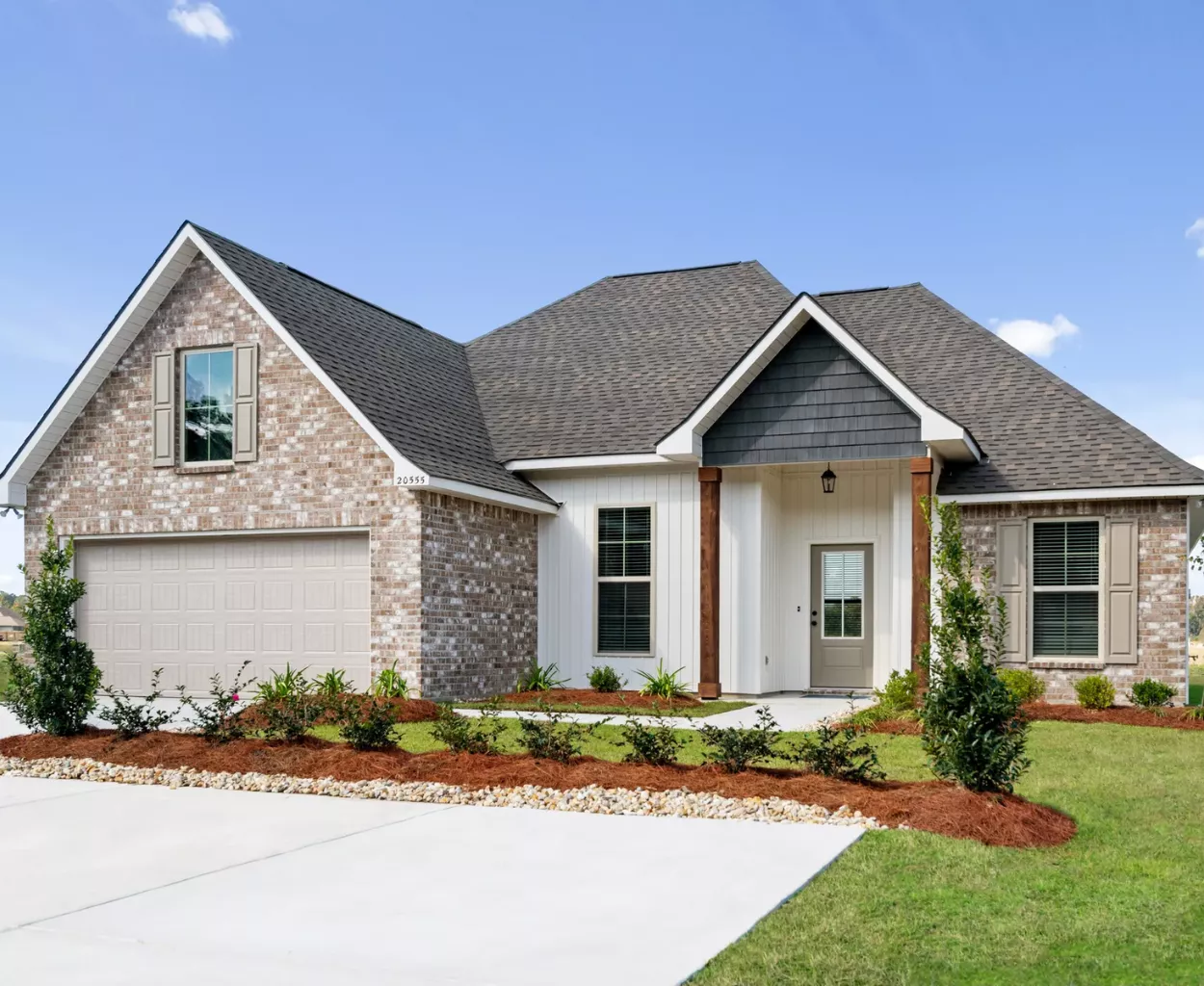
To get a feel for the lifestyle that awaits you in a DSLD Homes community, visit one of their communities throughout the Southern Region.
With a diverse selection of floor plans and communities to choose from, you’re sure to find the perfect fit for your lifestyle.


