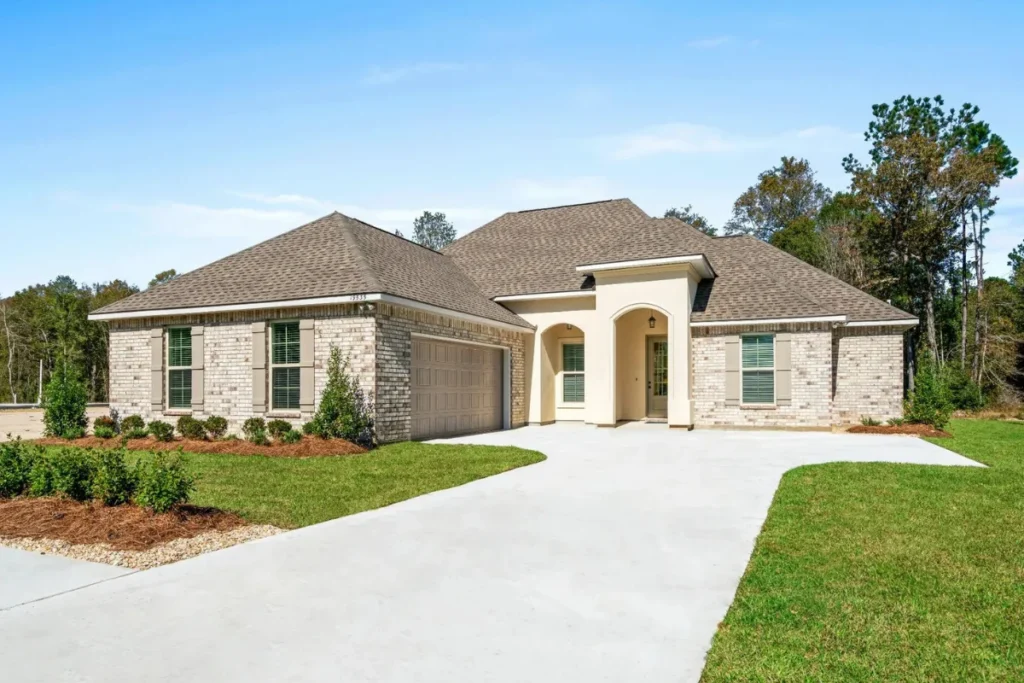
In real estate, “contingent” means that an offer has been made on a property and accepted by the seller, but the sale is conditional upon certain criteria being met. These criteria, or contingencies, must be satisfied for the sale to proceed to closing.
Introduction
When browsing real estate listings, you might come across properties labeled as “contingent.” This status can be confusing for both first-time homebuyers and experienced property investors. Understanding what contingent means in real estate is crucial for navigating the home buying and selling process effectively. In this comprehensive guide, we’ll explore the concept of contingencies, their implications, and how they affect real estate transactions.
What Does Contingent Mean?
In the context of real estate, contingent refers to a property that is under contract but has one or more conditions that must be met before the sale can be finalized. These conditions, known as contingencies, are typically specified in the purchase agreement and protect both the buyer and the seller during the transaction process. A ‘contingent listing’ refers to a property under contract where the seller has accepted an offer, but specific conditions must still be met before the sale is finalized.
When a property is listed as contingent, it means:
- The seller has accepted an offer from a buyer
- The sale is not yet final
- There are specific conditions that must be met
- The property is still technically on the market, but with limited showing opportunities
Common Types of Contingencies
Common contingencies in real estate include essential clauses like financing, appraisal, and inspection contingencies, which protect both buyers and sellers from unexpected issues during property transactions.
Several types of contingencies can be included in a real estate contract. Here are some of the most common:
- Financing Contingency
This contingency allows the buyer to back out of the deal if they cannot secure financing for the property. It protects the buyer from being obligated to purchase a home they can’t afford.
- Appraisal Contingency
An appraisal contingency ensures that the property is worth at least as much as the agreed-upon purchase price. If the appraisal comes in lower than the sale price, the buyer can renegotiate or walk away from the deal.
- Inspection Contingency
This home inspection contingency allows the buyer a specified timeframe to conduct a thorough inspection of the property before finalizing the contract. This allows the buyer to have the property professionally inspected and potentially negotiate repairs or price adjustments based on the inspection findings. If significant issues are discovered, the buyer may have the option to cancel the contract.
- Home Sale Contingency
A home sale contingency gives the buyer a specified amount of time to sell their current home before proceeding with the purchase of the new property. This is particularly useful for buyers who need the proceeds from their current home to finance the new purchase.
- Title Contingency
This contingency ensures that the property has a clear title, free from liens or other encumbrances. If issues with the title are discovered, the buyer can back out of the deal.
The Contingent Process: Step by Step
Understanding the contingent process can help both buyers and sellers navigate this stage of the real estate transaction more effectively:
- Offer Acceptance: The seller accepts the buyer’s offer, which includes specific contingencies.
- Property Status Change: The listing is updated to “contingent” to reflect the accepted offer with conditions.
- Contingency Period: The buyer works to satisfy the contingencies within the specified timeframe.
- Contingency Removal: As conditions are met, the corresponding contingencies are removed from the contract. Fulfilling all the contingencies within the specified timelines is crucial for the sale to move from a contingent status to a pending status.
- Final Contingency Removal: Once all contingencies are satisfied, the sale moves forward to closing.
- Closing: The sale is finalized, and the property ownership is transferred to the buyer.
Implications of a Contingent Status
For Buyers:
- Provides protection and flexibility during the purchase process
- Allows time to secure financing, inspect the property, and address any concerns
- An earnest money deposit serves as a financial assurance to the seller and can be refunded under certain contingencies, protecting buyers from losing their investment if conditions in the contract are not met
- May face competition from other potential buyers if contingencies aren’t removed quickly
For Sellers:
- Indicates progress towards a sale but with some uncertainty
- May continue to show the property to other potential buyers
- Can potentially accept backup offers in case the current deal falls through
Contingent vs. Pending: Understanding the Difference
While both “contingent” and “pending” indicate that a property is under contract, there are key differences:
Contingent: The sale is still subject to certain conditions being met. The property may still be shown to other potential buyers.
Pending: All contingencies have been satisfied or removed, and the sale is moving towards closing. The property is typically no longer being actively shown. A pending status indicates that the sale has been accepted by the seller, and the property is not actively available for marketing.
Types of Contingent Statuses
Different real estate markets may use various terms to describe contingent properties:
- Contingent – Continue to Show: The seller is accepting backup offers.
- Contingent – No Show: The seller is not accepting other offers or showing the property.
- Contingent – With Kick-Out: The seller can accept another offer if the current buyer doesn’t remove contingencies within a specified timeframe.
- Contingent – Short Sale: The sale is contingent on the lender approving a short sale.
Navigating Contingencies as a Buyer
If you’re a buyer, here are some tips for handling contingencies:
- Work with an experienced real estate agent who can guide you through the process. A mortgage contingency allows buyers to withdraw from the purchase without penalties if they fail to secure mortgage approval, highlighting its importance in uncertain financial situations.
- Be prepared to act quickly to satisfy contingencies within the agreed-upon timeframes.
- Communicate clearly and promptly with your agent, lender, and the seller’s agent.
- Understand the implications of each contingency before including it in your offer.
- Be willing to negotiate if issues arise during the contingency period.
Dealing with Contingencies as a Seller
For sellers, consider these strategies when dealing with contingent offers:
- Evaluate the strength of the buyer’s offer and their ability to satisfy contingencies. Sellers should be aware that contingent offers fall under certain circumstances, and they should evaluate the strength of the buyer’s offer and their ability to satisfy contingencies.
- Consider including a kick-out clause to maintain leverage in the transaction.
- Continue marketing your property to attract backup offers.
- Work with your agent to set realistic timelines for contingency removal.
- Be prepared to negotiate if issues arise during inspections or appraisals.
The Role of Contingencies in Protecting Buyers and Sellers
Contingencies play a crucial role in real estate transactions by:
- Providing a safety net for buyers to ensure they’re making a sound investment
- Allowing sellers to move forward with a sale while maintaining some control
- Addressing potential issues before they become major problems
- Facilitating negotiations between buyers and sellers
- Ensuring that all parties are protected throughout the transaction process
How DSLD Mortgage Can Help
At DSLD Mortgage, we understand the complexities of real estate transactions, including the intricacies of contingencies. Our team can:
- Explain the implications of various contingencies in your real estate contract
- Guide you through the contingency process, whether you’re a buyer or seller
- Help you understand your options when dealing with contingent properties
- Provide expert advice on structuring offers with appropriate contingencies
- Assist with financing-related contingencies and ensure a smooth mortgage process
Conclusion: Navigating Contingencies in Real Estate
Understanding what “contingent” means in real estate is essential for anyone involved in property transactions. Contingencies serve as important safeguards for both buyers and sellers, allowing for a thorough evaluation of the property and the financial aspects of the deal before final commitment.
While contingencies can add complexity to a real estate transaction, they also provide valuable protection and flexibility. By working with experienced professionals and maintaining clear communication throughout the process, buyers and sellers can navigate contingencies effectively and move towards a successful closing.
Whether you’re considering making an offer with contingencies or evaluating a contingent offer on your property, it’s crucial to understand the implications and potential outcomes. With the right knowledge and guidance, you can use contingencies to your advantage and ensure a smoother, more secure real estate transaction.
If you have questions about contingencies or need assistance with your real estate transaction, don’t hesitate to reach out to us at DSLD Mortgage. Our team of experienced professionals is here to guide you through every step of the process, ensuring you make informed decisions in your real estate journey.
How much will your mortgage be in Louisiana? You can use DSLD Mortgage’s Louisiana Mortgage Calculator to estimate your monthly mortgage payment.
Current mortgage rates in Louisiana holding you back? Don’t miss out on these deals! Buy a home with DSLD Mortgage and take advantage of our limited-time mortgage promotions.
Common Questions About Contingent Properties
Yes, you can typically make a backup offer on a contingent property.
The duration varies depending on the specific contingencies but often ranges from a few days to several weeks.
Generally, a seller can only back out if the buyer fails to meet the contingencies or if the contract includes a kick-out clause. A purchase and sale agreement outlines the conditions under which earnest money deposits can be refunded, emphasizing its significance during the sale process.
Begin Your Home Search in Louisiana with DSLD Homes

To get a feel for the lifestyle that awaits you in a DSLD Homes community, visit one of their communities throughout Louisiana.
With a diverse selection of floor plans and communities to choose from, you’re sure to find the perfect fit for your lifestyle.