Key Takeaways:
- A primary consideration for USDA Loan eligibility is the property’s location. Understanding what disqualifies a home from USDA financing often starts with its rural designation.
- Beyond location, the home must adhere to specific house requirements for USDA Loans, including structural integrity and safety standards.
- It’s important to note that certain property types are not eligible for USDA financing. Knowing these exclusions is vital for potential applicants.
- For those considering this financing option, knowing exactly what disqualifies a home from USDA financing and the fundamental house requirements for a USDA Loan early in the process is crucial.
- In some instances, identified issues that might initially disqualify a property can be addressed to meet USDA financing eligibility criteria.
USDA Loan Eligibility, Property, and House Requirements

USDA Loans present a fantastic opportunity for eligible homebuyers to achieve homeownership with no down payment in numerous rural and suburban communities. While USDA home loan eligibility hinges on household income not surpassing specific limits relative to the area’s median income, it’s equally important to understand that not all properties meet the necessary criteria.
As a seasoned USDA Loan specialist, I’ve seen many situations where a home fails to satisfy the USDA’s prerequisites. This comprehensive guide will look into the critical factors that can disqualify a home from USDA financing, alongside the essential house requirements for a USDA Loan, ultimately allowing you to refine your home search strategy.
Location as the Primary Disqualifying Factor
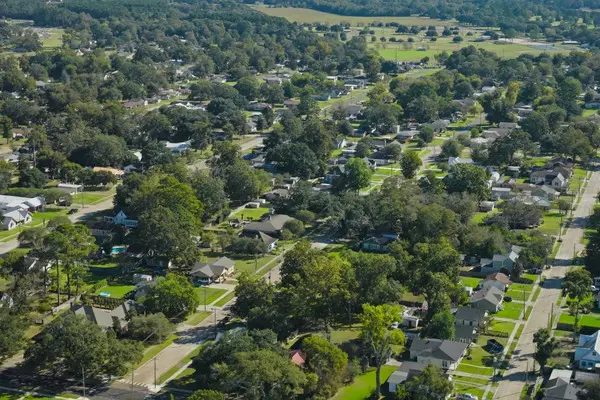
The most common reason a property may not qualify for USDA financing centers on its location. Understanding this aspect is crucial when considering what disqualifies a home from USDA financing:
- Urban Areas: Because USDA Loans are specifically designed to encourage rural and low-population urban development, properties situated within highly populated urban areas are not eligible for this type of financing.
- Population Limits: As a general rule, areas with a population exceeding 35,000 residents are typically ineligible for USDA Loans. This population density often signifies a non-rural designation.
- Suburban Exceptions: Some suburban areas may still qualify for USDA financing if they retain specific rural characteristics and meet the USDA’s location criteria.
To accurately determine if a specific property meets the location requirements for a USDA Loan, we encourage you to use our USDA Property Eligibility Map.
Property Condition and Safety as Key House Requirements for USDA Loan Approval

Beyond location, the USDA has specific house requirements for a USDA Loan that emphasize the property’s condition and safety for occupancy. Homes may be deemed ineligible due to the following:
- Structural Issues: Significant problems affecting the home’s integrity, such as foundation cracks, roof damage, or overall structural deficiencies, can disqualify a property. These are critical aspects of the house requirements for a USDA Loan.
- Safety Hazards: Properties with exposed wiring, a lack of essential safety devices like smoke detectors, or other safety-related concerns will not meet the house requirements for a USDA Loan.
- Lack of Basic Amenities: To be eligible for USDA financing, a home must have fully functional essential systems, including electricity, heating, and a potable water supply. These are fundamental house requirements for a USDA Loan.
- Pest Infestations: Active and significant infestations of termites or other wood-destroying insects can lead to disqualification, as they impact the structural soundness required by the USDA.
- Environmental Hazards: The presence of environmental hazards, such as lead-based paint in older homes (built before 1978) or other identified environmental concerns, can also render a property ineligible under USDA guidelines.
Property Type Restrictions: Further Considerations for USDA Loan Eligibility
In addition to location and condition, the type of property itself can determine what disqualifies a home from USDA financing. The following property types are generally not eligible:
- Income-Producing Properties: Properties primarily used for generating income, such as working farms or homes situated on extensive acreage actively used for farming, typically do not qualify for USDA financing.
- Multi-Unit Properties: Dwellings designed for multiple separate living units, such as duplexes, triplexes, or other multi-family structures, are usually ineligible for standard USDA single-family home loans.
- Most Manufactured Homes: While there can be exceptions, most manufactured homes are not eligible unless they adhere to specific HUD requirements and are permanently affixed to a qualifying piece of land.
- Most Condominiums: Condominium units generally do not qualify unless they are part of a specific condominium project that has been approved by the USDA.
- Vacation Homes or Second Homes: USDA Loans are intended for primary residences. Properties designated as vacation homes or second homes are not eligible.
- Investment Properties: Properties intended for investment purposes, meaning they will be rented out or used for commercial activities rather than as the borrower’s primary residence, do not meet USDA Loan criteria.
Understanding these property type limitations is key to knowing what disqualifies a home from USDA financing.
Size and Land Use as Additional Factors Influencing USDA Loan Eligibility

The USDA also has specific considerations regarding the size of the property and how the land is used, which can contribute to disqualifying a home from USDA financing:
- Excessive Land: Properties that include significantly more land than is typically associated with residential properties in the surrounding area may be deemed ineligible. The USDA Loan program focuses on primary residences, not large tracts of undeveloped or agricultural land beyond typical residential use.
- Swimming Pools: In-ground swimming pools are generally acceptable and do not typically disqualify a property. However, above-ground pools might be viewed differently depending on local regulations and safety considerations, potentially impacting the house requirements for a USDA Loan regarding safety and permanence.
- Outbuildings: Substantial outbuildings, such as large barns or workshops, that could reasonably be used for commercial purposes rather than solely for residential use, may lead to the property’s disqualification. The focus remains on the property being primarily a single-family primary residence.
Appraisal-Related Factors That Can Impact USDA Loan Eligibility
The appraisal process is a critical step, and multiple findings during this stage can contribute to disqualifying a home from USDA financing:
- Low Appraisal Value: If the appraiser’s valuation of the property is lower than the agreed-upon purchase price, it can affect the loan amount the borrower is eligible for, potentially jeopardizing the financing and effectively disqualifying the home at the current price.
- Failure to Meet HUD Minimum Property Requirements: USDA Loans require the property to meet specific standards set by HUD (Department of Housing and Urban Development). Failure to comply with these minimum property requirements is a significant factor in what disqualifies a home from USDA financing and aligns with the necessary house requirements for a USDA Loan regarding safety and condition.
- Lack of Adequate Access: The property must have direct and legal access to a public or private street. Properties lacking proper access will not meet USDA requirements.
- Inadequate Utilities: Connection to essential public utilities (such as water, sewer, and electricity) or approved private systems that meet local standards is a fundamental house requirement for a USDA Loan. Properties lacking these adequate utility connections can be disqualified.
Zoning and Land Use: Regulatory Factors Affecting USDA Loan Eligibility

Specific zoning regulations and land use characteristics can play a significant role in what disqualifies a home from USDA financing:
- Non-Residential Zoning: To be eligible for a USDA Loan, the property must be officially zoned for residential use. Properties zoned for commercial, industrial, or agricultural purposes typically do not qualify.
- Easements or Encroachments: The presence of significant easements that restrict the homeowner’s use of the property or encroachments from neighboring properties onto the subject property can negatively impact its value or usability, potentially leading to ineligibility for USDA financing.
- Flood Zones: Properties located within designated Special Flood Hazard Areas (SFHAs) may require mandatory flood insurance. The cost and requirements associated with flood insurance can sometimes affect a borrower’s ability to qualify for the loan or make the property less desirable under USDA guidelines. While not always a direct disqualification, it’s a critical factor influencing eligibility.
Previous Property Use and Historical Factors in USDA Loan Eligibility
The past use of a property can also be a factor in determining its eligibility for USDA financing:
- Commercial Use: Properties previously used for commercial purposes may be subject to additional scrutiny during the USDA Loan process. This ensures that the property now meets all the requirements for a primary residential dwelling and that any past commercial activities haven’t negatively impacted its structural integrity or safety. The USDA’s focus is on financing primary residences in eligible rural areas, so a history of commercial use might raise questions about its current residential suitability.
Addressing Issues That May Affect USDA Loan Requirements and Lead to Disqualification

While certain factors can initially disqualify a home from USDA financing, some of these issues can potentially be addressed to meet USDA Loan requirements:
- Repairs and Renovations: Certain property condition issues can be resolved through necessary repairs. In some instances, the USDA 502 Direct Loan program offers a repair escrow option, allowing funds to be set aside for essential repairs after closing. USDA Direct Loans can also specifically assist low- and very-low-income applicants in financing the repairs needed to bring their homes up to USDA standards.
- Property Boundary Adjustments: In situations where excessive land is the disqualifying factor, it might be possible to adjust the property boundaries to exclude the excess acreage, thereby meeting USDA requirements regarding land size.
- Zoning Changes: Although less common, in rare cases, it might be feasible to address zoning issues through applications and approvals from local zoning authorities.
- Manufactured Home Modifications: For some manufactured homes, eligibility can be achieved by ensuring they meet specific HUD requirements and are permanently affixed to an approved foundation, satisfying a key house requirement for a USDA Loan.
Common Misconceptions About USDA Property Eligibility
| Myth | Reality |
| All rural properties qualify for USDA Loans. | While the location in a USDA-designated rural area is a primary requirement, the property must also meet all other eligibility criteria, including condition standards, and not fall under factors that define what disqualifies a home from USDA financing. |
| USDA Loans are only for farmland. | Most USDA-financed properties are typically single-family homes intended as primary residences. Restrictions exist for income-producing agricultural properties. |
| Older homes don’t qualify for USDA Loans. | The age of a home is not a primary concern as long as it meets the USDA’s condition and safety standards. |
| You can’t buy a home with a large lot using a USDA Loan. | While excessive land beyond typical residential use or land intended for income production can be a factor in what disqualifies a home from USDA financing, reasonably sized large lots for a primary residence are generally acceptable. |
| USDA Loan requirements are too strict. | While USDA Loans have specific requirements, including location, citizenship status, credit history, and household income, their property-related requirements are often more flexible compared to Conventional Loans. |
How DSLD Mortgage Can Guide You Through USDA Property Eligibility
At DSLD Mortgage, we have extensive experience with USDA Loans and are dedicated to helping you manage the challenges of property eligibility:
- Clarifying USDA Property Requirements: We can clearly explain the specific USDA property requirements, including location guidelines, ensuring you have a solid understanding of what to look for in your property search.
- Expert Guidance with the USDA Eligibility Map: Our team can guide you in using our USDA Property Eligibility Map effectively to readily determine if a property’s location meets the program’s criteria, helping you avoid properties that disqualify a home from USDA financing based on location.
- Early Identification of Potential Property Issues: We can assist in identifying potential property conditions or type issues early in the process that might not meet house requirements for a USDA Loan or could otherwise disqualify a home from USDA financing, saving you time and effort.
- Solutions for Addressing Disqualifying Factors: When possible, our experienced Loan Officers can provide insights and options for addressing certain disqualifying factors, such as connecting you with resources for potential repairs or boundary adjustments.
- Alternative Financing Options: If a particular property doesn’t meet the stringent criteria for USDA financing, we can explore and offer alternative loan programs that might better suit your needs and the property’s characteristics.
As a private mortgage lender specializing in USDA Loans, DSLD Mortgage plays a vital role in helping eligible borrowers achieve homeownership in USDA-eligible areas. We understand USDA property requirements and work diligently to find solutions for our clients.
Successfully Managing the USDA Home Loan Program and Property Eligibility
A clear understanding of what disqualifies a home from USDA financing is vital when buying the perfect home using a USDA Loan. While the property requirements might appear detailed, they are in place to ensure that USDA Loan recipients secure safe and suitable homes within designated rural areas.
The USDA home loan program is vital in expanding homeownership opportunities in underserved regions and encouraging development in rural and suburban communities. It’s important to remember that many factors that could disqualify a home can be identified early in your search, even before making an offer. By partnering with experienced professionals who have a thorough understanding of USDA requirements, you can accelerate your property search, focusing on eligible homes and minimizing potential setbacks.
If you’re considering the advantages of a USDA Loan, don’t let concerns about property eligibility discourage you. Contact our team at DSLD Mortgage today, and let our USDA Loan experts provide you with the guidance you need. We can help you clearly understand the specific property requirements, assist you in identifying eligible homes in your desired areas, and expertly handle any challenges that may arise during the process. We can also help you assess both your income eligibility and potential property eligibility using our USDA Calculator.
Your path to achieving homeownership with a USDA Loan is unique, and understanding property eligibility is a critical step. With the right knowledge and the support of experienced professionals, you can confidently find a home that meets your lifestyle needs and qualifies for the significant benefits of USDA financing. Let DSLD Mortgage be your partner in turning your homeownership aspirations into a reality through the USDA Loan program.
How much will your mortgage be? You can use DSLD Mortgage’s Mortgage Calculator to estimate your monthly mortgage payment.
Current mortgage rates holding you back? Don’t miss out on these deals! Buy a home with DSLD Mortgage and take advantage of our limited-time mortgage promotions.
Article Sources
- Investopedia. “USDA Home Loan: Meaning, Types, How to Get One” April 10, 2023
- US Department of Housing and Urban Development. “Minimum Property Standards” Accessed April 22, 2025
- Bankrate. “What is encroachment?” August 30, 2022
- US Department of Agriculture. “Single Family Housing Direct Home Loans” Accessed April 22, 2025
Begin Your Home Search with DSLD Homes

Experience the lifestyle offered by DSLD Homes firsthand by visiting their communities located throughout the Southern Region. Browse their diverse selection of floor plans and community amenities to pinpoint the perfect home that aligns with your lifestyle.