

A home appraisal is an unbiased professional opinion of a home’s value, serving as an essential safeguard in the mortgage process to ensure the loan amount does not exceed the property’s value, thus significantly impacting the homebuying transaction.
When venturing into the world of real estate — whether you’re buying, selling, or refinancing a home — one of the key steps you’ll encounter is the home appraisal. But what exactly is a home appraisal? This question is crucial for anyone getting a mortgage loan, as the appraisal process plays a pivotal role in determining the value of a property. It’s a step that can influence financial decisions, loan approvals, and, ultimately, the success of a property deal.
At its core, a home appraisal is an unbiased professional opinion of a home’s value. It’s an essential component in the mortgage process, serving as a safeguard for both the buyer and the lender. The appraisal ensures the amount of money requested in a loan is not more than the value of the property being purchased. This process is not just a formality; it’s a significant evaluation that can heavily impact a homebuying transaction.
No matter what your experience in the world of homeownership, understanding home appraisals can equip you with the knowledge to navigate this essential aspect of buying or selling a property. So, in this post, we will delve into the details of home appraisals. We’ll explore who conducts them, their qualifications, the factors influencing a home’s appraisal value, and much more.
Definition and Purpose of a Home Appraisal
A home appraisal is a comprehensive evaluation conducted to determine the fair market value of a property. It’s an essential step in the homebuying and selling process, required by lenders to complete the mortgage process. The primary purpose of an appraisal is to ensure the loan amount requested is not more than the property’s worth, serving as a protection for the lender against the risk of loaning more than the property’s value — and for the buyer to ensure they are paying a fair price.
The appraisal process involves a thorough examination of the property, considering various factors like location, condition, size, and recent sales of similar properties in the area. It’s not just a physical inspection of the home but also an analysis of the local real estate market and broader economic conditions that could affect the property’s value.
For buyers, an appraisal offers a degree of assurance that they’re investing an appropriate amount for the property. For sellers, it provides a realistic expectation of their home’s market value, which is crucial for setting a selling price. When refinancing, an appraisal helps to determine the amount of equity in the home, a key factor in the loan approval process.
Appraisals are conducted by licensed or certified professionals who have undergone specialized training and have extensive knowledge of real estate valuation. Their report gives both buyers and lenders a clear picture of the property’s market value, helping them make informed decisions during the real estate transaction.
In summary, home appraisals are vital for determining a property’s fair market value and safeguarding all parties involved in the real estate transaction. Understanding the purpose and process of an appraisal not only demystifies this aspect of buying or selling a home but also empowers you to navigate the real estate market with greater confidence.
Who Performs Home Appraisals?
Home appraisals are conducted by licensed or certified professionals known as appraisers. These individuals possess specialized knowledge and skills in property valuation, ensuring an objective and accurate assessment of a home’s worth. Their role is critical in the real estate process, as they provide the valuation data lenders, buyers, and sellers rely on.
Appraisers are required to undergo a rigorous process to become qualified. This process typically includes:
- Education and Training: Appraisers must complete a set amount of coursework in subjects related to real estate and property valuation. This education gives them a thorough understanding of appraisal principles, real estate law, and ethics.
- Licensing and Certification: After completing their education, appraisers must obtain a license or certification from their state’s real estate appraisal board. The requirements vary by state but generally include passing an exam and completing a certain number of hours of fieldwork under the supervision of a licensed appraiser.
- Continuing Education: To maintain their license, appraisers are required to participate in ongoing continuing education. This ensures they stay updated with the latest trends and changes in the real estate market and appraisal standards.
- Adherence to Standards: Appraisers must follow the Uniform Standards of Professional Appraisal Practice (USPAP), which sets the guidelines for ethical and high-quality appraisals. These standards ensure appraisals are conducted with impartiality, objectivity, and professionalism.
The qualifications and adherence to strict standards ensure appraisers remain unbiased third-party evaluators. They cannot have a direct interest in the property or the transaction; their independent status is crucial, as it ensures their appraisal is solely focused on the property’s value without influence from other parties interested in the real estate transaction.
In essence, the appraiser’s qualifications and ethical obligations guarantee home appraisals are reliable, accurate, and fair, providing essential information for lenders, buyers, and sellers in the property market. Their expertise and impartial evaluation are key factors in determining a property’s actual market value and making informed homebuying decisions.
The Home Appraisal Process

The home appraisal process is a standardized way to determine the value of a property. While it may vary slightly depending on the specific circumstances and the appraiser, it typically follows similar steps to ensure a thorough and accurate evaluation. Let’s break down what happens during an appraisal.
1. Initiation of the Appraisal
The process usually begins when a lender orders an appraisal, either for a new mortgage loan or a refinance. The appraiser is then selected and given the details of the property.
2. Physical Property Inspection
The appraiser visits the property to inspect it. They assess the condition of the home, taking note of any features or issues that could affect its value. This includes the size of the property, the number of rooms, the layout, construction quality, home improvements, structural integrity, and any additional features like a garage or swimming pool.
3. Market Analysis
After the inspection, the appraiser performs market analysis. They compare the property to similar, recently sold homes in the area, adjusting the value based on differences in size, condition, location, and features.
4. Final Appraisal Report
The appraiser compiles their findings into a comprehensive appraisal report. This report includes detailed information about the property, the data used in the appraisal, a comparison of similar properties, and the appraiser’s valuation of the property’s market value.
Factors That Affect a Home’s Value
The value determined by a home appraisal considers various factors contributing to the overall assessment of the property’s worth. One of the most significant factors is the location of the property, including the specific neighborhood, proximity to amenities, local schools, and the general desirability of the area. Properties situated in desirable neighborhoods or those with excellent access to amenities are usually valued higher.
Another crucial element is the size and layout of the property. This includes the number of bedrooms and bathrooms, the total living space, and how functional the layout is. Generally, larger homes with more spacious and practical layouts are valued higher. Additionally, the condition and age of the property play a vital role. Newer homes — or older homes that have been well-maintained or regularly updated — often receive higher appraisals.
Renovations and improvements can also influence a home’s appraisal value. Upgrades such as modernized kitchens, remodeled bathrooms, or energy-efficient installations can positively impact valuation. However, it’s important to note the return on these investments can vary depending on the quality of the work and local market conditions.
Market trends are another significant factor in the appraisal process. Homes might appraise at higher values in a market where demand exceeds supply. Conversely, values could be lower when there are more sellers than buyers. Appraisers also consider recent sales of similar properties in the area, known as comparables, which provide a benchmark for pricing similar homes.
Unique features of the property, such as a swimming pool, a well-maintained garden, a garage, or distinctive architectural details, also play a part in determining a home’s value. The impact of these features can vary greatly, depending on their desirability at the time.
Understanding these various factors provides homeowners and potential buyers insight into why a property is valued at a certain price and what aspects may be worth investing in before selling or refinancing. It’s essential to remember a home’s market value is influenced not only by its physical attributes but also by its perceived desirability in the local real estate market.
Understanding the Appraisal Report
Once the appraisal process is complete, the appraiser compiles their findings into a detailed appraisal report. This report is a comprehensive document providing a full picture of how the appraiser arrived at the property’s value. Understanding the key components of this report can help homeowners, buyers, and sellers grasp the appraiser’s reasoning and conclusions.
The appraisal report typically includes the following elements:
- Identification of the Property: This section provides basic information about the property, including its address, legal description, and whether it’s a single-family home, multi-unit property, or condominium.
- Property Description: The appraiser details the physical characteristics of the property, such as the age of the home, size, number of bedrooms and bathrooms, outdoor space, and the condition of the home, including any improvements or renovations.
- Comparative Market Analysis: One of the most important parts of the report, this section compares the subject property to similar properties in the area that have recently sold. These comparisons help justify the appraised value.
- Appraiser’s Final Opinion of Value: This is the appraiser’s professional judgment on the property’s market value based on their analysis.
- Images and Maps: The report usually includes photographs and sketches of the property and a street map showing the property and the comparables used in the report.
- Additional Information: Any additional information or documentation relevant to the appraisal or necessary for the appraiser’s evaluation.
Reviewing the appraisal report carefully is important for understanding the property’s value. If the appraised value is significantly different from the expected value, both buyers and sellers should discuss the appraisal with their real estate agent or the appraiser to understand the difference. This report is not only a crucial document for finalizing a housebuying transaction but also an informative tool for understanding a property’s market value.
What Happens after an Appraisal?
So, the appraiser has left the home and finished their report. What happens next? After the completion and review of the appraisal report, the next steps in the real estate transaction are largely influenced by the appraisal’s findings. The lender closely reviews the report to ensure the requested loan amount aligns with the property’s appraised value. This is a pivotal step in the mortgage approval process and a part of underwriting.
If the appraisal matches or exceeds the agreed-upon sale price, the loan process typically proceeds as expected. However, a lower appraisal can present challenges. It often leads to the need to make further decisions, prompting renegotiations between buyers and sellers or causing the lender to reconsider the loan amount. In situations where the appraised value is less than the sale price, buyers may negotiate for a reduced price or might have to increase their down payment to bridge the gap between the appraised value and the sale price.
Dealing with a low appraisal can be complex. Buyers might need to look for alternative financing solutions or, in some cases, may decide to withdraw from the deal, especially if there’s a significant difference between the appraisal and the sale price and the purchase agreement includes an appraisal contingency.
There’s also the possibility of challenging the appraisal. If either party believes the appraisal is inaccurate or incomplete, they can appeal the decision or request a second appraisal. This would require presenting new information or evidence, such as overlooked comparable sales or errors in the initial appraisal report.
Ultimately, if the appraisal is acceptable to all parties and the financing is secured, the transaction moves towards closing. The appraisal, therefore, plays an important role in finalizing house sale deals, highlighting the importance of realistic expectations and preparedness for different outcomes in the property buying or selling process. Understanding the potential impact of an appraisal’s results is crucial for smoothly navigating this phase of the homebuying or selling process.
How To Prepare for a Home Appraisal
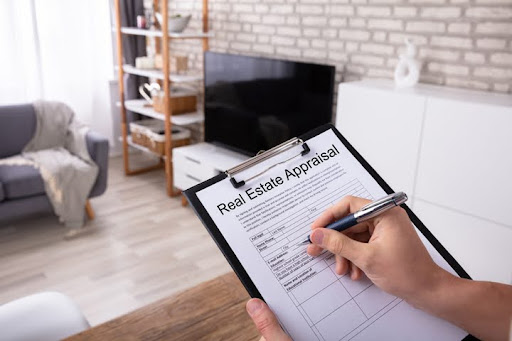
Preparing effectively for a home appraisal is key to ensuring a smooth process and potentially enhancing your property’s valuation. Start by boosting curb appeal with basic landscaping and a fresh coat of paint on the front door. Tackle any obvious repairs like leaky faucets or broken windows, as these can impact the appraiser’s impression of your home’s condition. If you’ve made significant improvements or upgrades, have documentation ready to highlight these changes.
Ensure your home is clean and clutter-free to make spaces appear more inviting and larger. Provide the appraiser with easy access to all areas of the property, including basements and attics, or they might be forced to make an incomplete assessment. While it’s beneficial to be available for any questions, avoid overly guiding the tour, as it’s important for the appraiser to evaluate the property independently.
Being prepared for an appraisal doesn’t guarantee a higher valuation, but it can help present your home in the best light, potentially maximizing its value. A well-maintained appearance coupled with readiness for the appraisal can lead to a better assessment.
Learn More about Home Appraisals
Want to learn more about home appraisals or still looking for answers about the process? Our expert Loan Officers are knowledgeable about all aspects of the mortgage loan process and ready to assist so you feel empowered on your homebuying journey.
Request a free consultation with our team today.
Article Sources
- Investopedia — “What Is a Home Appraisal?” Apr 6, 2023
- Indeed — “How To Become a Certified Appraiser (Plus Their Specialties)” Apr 24, 2023
- The Appraisal Foundation — “What is USPAP?” Dec 14, 2023
- Bankrate — “What Is a Home Appraisal? Everything You Need to Know” Aug 18, 2023
- Experian — “5 Factors That Affect a Home’s Value” Mar 10, 2022
- Investopedia – “Rest Estate Underwriting: Definition, How It Works, and History” Jul 13, 2022
- Forbes – “What Is An Appraisal Contingency?” Sep 1, 2020


