
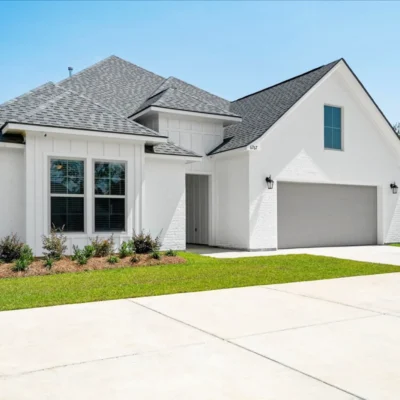
When you’re considering a $300,000 home, one of the first questions that comes to mind is, “How much do I need for a down payment?” Understanding how much house you can afford is crucial, as it involves various financial factors like income, home price, and additional expenses such as taxes and insurance. As a mortgage professional with years of experience, I’ve guided numerous homebuyers through this crucial aspect of home purchasing. The answer isn’t one-size-fits-all, but in this comprehensive guide, we’ll break down the various scenarios and help you understand what to expect for a down payment on a $300,000 house, considering a 6.5% interest rate.
Key Takeaways
- Down payment amounts for a 300k house can range from 0% to 20% or more.
- The required down payment depends on the type of mortgage you choose.
- Conventional loans typically require 3-20% down for a 300k house.
- Government-backed loans like FHA, VA, and USDA have different down payment requirements.
- Your down payment affects your monthly payments, interest rates, and additional costs like PMI.
Conventional Loan Down Payments
Conventional loans are the most common type of mortgage and are not backed by the government. For a $300,000 house, here’s what you might expect:
The size of your down payment can significantly impact your monthly mortgage payment, which includes principal and interest, property taxes, and homeowners’ insurance.
20% Down Payment
- Amount: $60,000
- Loan amount: $240,000
- Benefits: Avoid Private Mortgage Insurance (PMI), lower monthly payments, reduce monthly mortgage payments and qualify for better loan terms and lower interest rates
10% Down Payment
- Amount: $30,000
- Loan amount: $270,000
- Note: PMI required until you reach 20% equity
5% Down Payment
- Amount: $15,000
- Loan amount: $285,000
- Note: Higher PMI costs
3% Down Payment
- Amount: $9,000
- Loan amount: $291,000
- Note: Usually for first-time homebuyers, highest PMI costs
Government-Backed Loan Options
- Minimum down payment: 3.5% = $10,500
- Loan amount: $289,500
- Note: Requires Mortgage Insurance Premium (MIP) for the life of the loan in most cases
- Minimum down payment: 0% = $0
- Loan amount: $300,000
- Eligibility: Veterans, active-duty service members, and eligible surviving spouses
- Note: No PMI required, but has a funding fee
- Minimum down payment: 0% = $0
- Loan amount: $300,000
- Eligibility: Property must be in an eligible rural area, income restrictions apply
- Note: Requires an upfront guarantee fee and annual fee
Factors Affecting Down Payment Requirements
- Credit Score: Higher scores may qualify you for lower down payment options.
- Debt-to-Income Ratio: Lower DTI ratios might allow for smaller down payments.
- Loan Type: Different loan programs have varying down payment requirements.
- Property Type: Primary residences often have lower down payment requirements than investment properties.
- Location: Some areas have specific programs or requirements that can affect down payment needs.
- Gross Monthly Income: Lenders consider your gross monthly income to calculate debt-to-income ratios, which can influence your loan eligibility and down payment requirements.
Impact of Down Payment Size
Smaller Down Payment (3-5%)
- Pros:
- Lower upfront costs
- Easier to get into homeownership sooner
- Cons:
- Higher monthly payments
- PMI required
- Potentially higher interest rates
Larger Down Payment (10-20%+)
- Pros:
- Lower monthly payments
- No PMI with 20% down
- Potentially lower interest rates
- More equity in the home from the start
- Cons:
- Requires more savings upfront
- Ties up more cash in the property
Additional Costs to Consider
When budgeting for a $300,000 home, remember that the down payment isn’t the only upfront cost:
- Closing Costs: Typically 2-5% of the loan amount ($4,000-$10,000)
- Prepaid Expenses: Property taxes, homeowners insurance, etc.
- Moving Costs: Don’t forget to budget for the move itself
- Home Repairs or Upgrades: You might want to make changes after purchase
Strategies to Manage Down Payment Costs and Assistance Programs
- Down Payment Assistance Programs: Many states and local governments offer assistance for homebuyers.
- Gifts from Family: Some loan programs allow down payment gifts from family members.
- 401(k) Loans: You might be able to borrow from your retirement account for a down payment.
- Savings Plans: Set up a dedicated savings plan well in advance of your home purchase.
- Seller Concessions: In some cases, sellers might contribute to closing costs, freeing up more of your savings for the down payment.
- Down Payment Calculator: Use a down payment calculator to evaluate different loan options and their total payments. This tool can help you compare the benefits of various loan programs, especially for government-backed loans like FHA or HomeReady.
Calculating Monthly Mortgage Payment
Here’s a rough estimate of monthly payments (principal and interest only) for a $300,000 house with a 30-year fixed mortgage at 6.5% interest:
- 20% down: $1,517/month
- 10% down: $1,706/month
- 5% down: $1,800/month
- 3% down: $1,838/month
Note: These figures don’t include property taxes, insurance, or PMI/MIP.
Using a payment calculator can help you understand the total interest paid over varying loan terms and down payment scenarios.
How DSLD Mortgage Can Help
At DSLD Mortgage, we specialize in helping homebuyers navigate the complexities of home financing, including determining the right down payment for their situation. Our team can:
- Analyze your financial situation to determine the most suitable down payment option
- Explain the pros and cons of different loan programs and down payment amounts
- Help you explore down payment assistance programs you might be eligible for
- Provide personalized mortgage calculations based on various down payment scenarios
- Guide you through the entire mortgage process, from pre-approval to closing
Understanding what constitutes a mortgage payment, including principal, interest, property taxes, and homeowners’ insurance, is crucial for making informed decisions.
Conclusion: Finding the Right Down Payment for You
Determining the right down payment for a $300,000 house depends on your unique financial situation, long-term goals, and the type of mortgage you choose. While a larger down payment can offer benefits like lower monthly payments and avoiding PMI, smaller down payments can make homeownership accessible sooner.
Remember, there’s no one-size-fits-all answer. The key is to balance your immediate financial capabilities with your long-term homeownership and financial goals. Consider factors beyond just the down payment, such as your overall budget, future plans, and comfort level with the monthly payments.
If you’re considering purchasing a $300,000 home and want to explore your down payment options, we encourage you to reach out to us at DSLD Mortgage. Our team of experienced mortgage professionals is ready to help you navigate this important decision, providing personalized advice and helping you find the best mortgage solution for your unique situation.
Your journey to homeownership is personal, and your down payment strategy should be too. Let’s work together to find the right balance that sets you up for success in your new $300,000 home.
How much will your mortgage be? You can use DSLD Mortgage’s Mortgage Calculator to estimate your monthly mortgage payment.
Current mortgage rates holding you back? Don’t miss out on these deals! Buy a home with DSLD Mortgage and take advantage of our limited-time mortgage promotions.
Mortgage FAQs
Owning a home is a dream we help bring to life every day. You probably have a lot of questions, and that’s a good thing! Here are the answers to some of the most frequently asked questions we get, designed to make your path to homeownership as smooth as possible.
While 20% down avoids PMI, it’s not always the best choice for everyone. Consider your overall financial picture.
Yes, with VA or USDA loans if you meet eligibility requirements.
This varies greatly depending on your income, expenses, and savings rate. For a 20% down payment ($60,000), it could take several years for many households.
Generally, yes. Larger down payments often correlate with better interest rates, but your credit score also plays a significant role.
Monthly debt payments are crucial in calculating your debt-to-income (DTI) ratio. To determine your DTI, divide your gross monthly income by your minimum monthly debt payments. This ratio helps lenders assess your financial situation and your ability to manage additional debt.
Begin Your Home Search with DSLD Homes
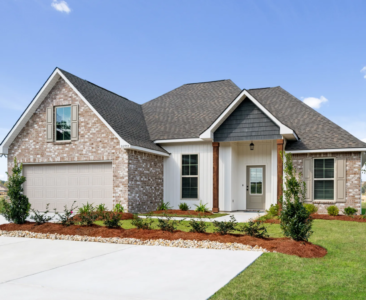
To get a feel for the lifestyle that awaits you in a DSLD Homes community, visit one of their communities throughout the Southern Region.
With a diverse selection of floor plans and communities to choose from, you’re sure to find the perfect fit for your lifestyle.


