
Updated June 2024
Choosing between a fixed-rate mortgage and an adjustable-rate mortgage (ARM) is a crucial step in your homebuying journey. Each comes with its own advantages and potential drawbacks, and understanding the difference is key to securing a loan that aligns with your financial goals and risk tolerance.
In this guide, we’ll break down the essentials of fixed-rate and ARM mortgages, explain how each type works, and help you determine the best option for your needs. Whether you’re seeking the stability of a fixed-rate mortgage or the potential for lower initial payments with an ARM, we’ll provide the information you need to make an informed decision.
Understanding the Key Differences: Fixed-Rate vs. ARM Mortgages
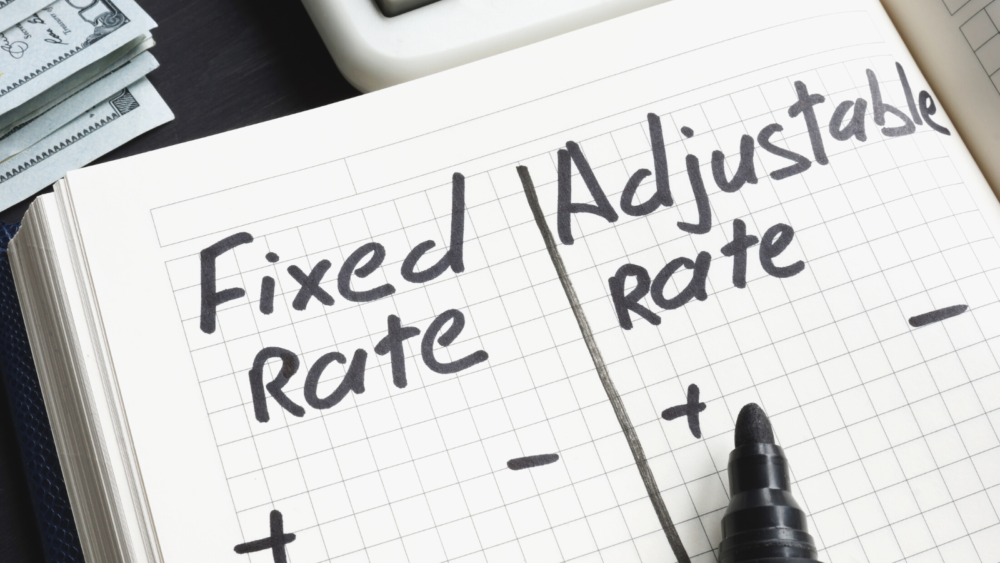
The most fundamental difference between a fixed-rate mortgage and an ARM is how the interest rate behaves over time.
- Fixed-Rate Mortgages: The interest rate remains constant throughout the entire loan term, providing stability and predictable monthly mortgage payments.
- Adjustable-Rate Mortgages (ARMs): The interest rate is fixed for an initial period, but then it adjusts periodically, typically annually, based on changes in a specific financial index. This means your payments could fluctuate over time.
Let’s examine the pros and cons of each type of mortgage to help you determine which one might be the right fit for your financial situation and goals.
What Is a Fixed Rate Mortgage?

A fixed-rate mortgage offers a consistent interest rate that remains unchanged for the duration of your loan term, typically 15 or 30 years. This translates to predictable monthly payments that make budgeting a breeze, even if your property taxes or homeowner’s insurance premiums fluctuate.
How Do Fixed-Rate Mortgages Work?
When you secure a fixed-rate mortgage, you essentially “lock in” your interest rate at the time of closing. This rate won’t change unless you choose to refinance your loan in the future. While the initial interest rate on a fixed-rate mortgage may be slightly higher than that of an ARM, the stability and peace of mind it offers can be invaluable for many borrowers.
Related Reading: What Are Fixed-Rate Mortgages? The Complete Guide
What Is an Adjustable Rate Mortgage?
An adjustable-rate mortgage, also known as a variable-rate mortgage or an ARM, typically has a 30-year term. However, unlike a fixed-rate mortgage, the interest rate is only fixed for an initial period, often ranging from 3 to 10 years. After this introductory period, the rate adjusts annually based on market conditions, potentially leading to fluctuations in your monthly payments.
How ARMs Work
When you opt for an ARM, you’ll enjoy a lower introductory fixed rate for the specified initial period. However, once this period ends, your rate will begin to adjust annually on the anniversary of your loan. These adjustments are based on two key factors:
- Index: Each ARM is tied to a specific financial index, such as the London Interbank Offered Rate (LIBOR) or the Prime Rate. Changes in this index directly influence your interest rate.
- Margin: The lender adds a fixed percentage (the margin) to the index to determine your new interest rate.
Related Reading: What Are Adjustable-Rate Mortgages (ARM)? Breaking down the Facts
ARMs and Rate Caps: Managing Risk
ARM mortgages come with rate caps — the limits on how much your interest rate can change:
- Initial Cap: Limits the maximum change in your rate on the first adjustment date after the fixed-rate period.
- Periodic Cap: Limits the maximum rate change on subsequent adjustment dates.
- Lifetime Adjustment Cap: Sets the maximum overall change in your rate over the entire loan term.
Understanding these caps is crucial for managing the risk associated with an ARM mortgage.
Related Reading: APR vs. Mortgage Interest Rate: What Are the Differences?
Choosing the Right Mortgage: Fixed-Rate or ARM?
The best mortgage for you depends entirely on your circumstances and financial goals. There’s no one-size-fits-all answer, but here’s a look at scenarios where each type might be preferable.
When an Adjustable-Rate Mortgage Might Make Sense
ARMs offer an initial period with a lower interest rate, but the rate can adjust over time, potentially impacting your monthly payment. With that in mind, here’s where they make a good choice:
- Short-Term Homeownership: An ARM could be a good option if you plan to sell or refinance your home before the introductory fixed-rate period ends.
- Rising Income: If you anticipate your income increasing significantly in the coming years, the initial lower payments of an ARM might be attractive.
- High-Interest Rate Environment: When interest rates are high, an ARM’s lower starting rate can offer initial savings.
When a Fixed-Rate Mortgage Might Be a Better Fit
Fixed-rate mortgages are a popular choice for borrowers who prioritize stability and predictable monthly payments. Let’s explore the benefits and mechanics of these loans.
- Long-Term Homeownership: If you plan to stay in your home for many years, the stability of a fixed-rate mortgage is often the better choice.
- Predictable Payments: A fixed-rate mortgage offers peace of mind for those who prefer consistent budgeting and dislike uncertainty.
- Low-Interest Rate Environment: When interest rates are low, locking in a fixed rate can protect you from future increases.
Remember, the decision between a fixed-rate and an ARM mortgage is a personal one. Carefully weigh the pros and cons, consider your financial situation, and seek guidance from a mortgage professional to make the best choice for your needs.

Refinancing Your Mortgage: A Strategic Option
Refinancing involves replacing your existing mortgage with a new one, often with a lower interest rate or different terms. There are lots of reasons to refinance your home, but it can be a strategic move for both fixed-rate and ARM borrowers.
Refinancing a Fixed-Rate Mortgage
If interest rates have dropped significantly since you initially secured your loan, refinancing to a lower fixed-rate mortgage could lead to substantial savings over time. It’s essential to weigh the closing costs of refinancing against the potential long-term savings to determine if it’s the right move for you.
Refinancing an ARM
For ARM users, refinancing can be a way to switch to a fixed-rate mortgage if interest rates start to climb or you prefer the predictability of fixed payments, providing stability and protection against potential future rate increases.
Additional Factors to Consider When Choosing a Mortgage
Beyond the fixed vs. ARM debate, there are several other important factors to weigh when selecting a mortgage:
- Discount Points: These are fees paid upfront to the lender in exchange for a lower interest rate. Consider if paying discount points makes sense based on your financial situation and how long you plan to stay in your home.
- Closing Costs: Both fixed-rate and ARM mortgages come with closing costs, which can vary depending on the lender and your loan details. Be sure to factor these into your budget.
- Loan-to-Value Ratio (LTV): This is the percentage of your home’s value you’re borrowing. A lower LTV can often qualify you for lower interest rates.
- Prepayment Penalties: Some mortgages have prepayment penalties, which are fees charged if you pay off your loan early. Ask your lender if these apply to your chosen mortgage.
Related Reading: The Home Closing Process: What to Expect
Your Dream Home Awaits: Make the Right Mortgage Choice
Choosing the right mortgage is a crucial step towards homeownership, and understanding the difference between fixed-rate and adjustable-rate mortgages (ARMs) is key to making an informed decision. As you weigh your options, consider your financial situation, risk tolerance, and long-term plans carefully.
Remember, a fixed-rate mortgage offers stability and predictable payments, while an ARM can provide lower initial rates with the potential for fluctuations. By evaluating your unique needs and goals, you can confidently select the mortgage that best aligns with your financial future.
Ready to take the next step toward your dream home? Don’t let uncertainty hold you back. Get a free consultation today with DSLD Mortgage and discover the mortgage options that fit your lifestyle and budget. Our experienced Loan Officers are here to guide you through the process, answer your questions, and help you secure the financing you need to make your homeownership dreams a reality.
Start your pre-qualification and unlock the door to your new home!
Article Sources
- Consumer Finance. “What is the difference between a fixed-rate and adjustable-rate mortgage (ARM) loan?” September 4, 2020
- Investopedia. “Fixed-Rate Mortgage: How It Works, Types, Vs. Adjustable Rate” July 24, 2021
- Consumer Finance. “Consumer Handbook on Adjustable-Rate Mortgages” August 28, 2023
- Nerd Wallet. “Mortgage Points: Should You Pay These Optional Fees?” February 22, 2024
- Bankrate. “What is a loan-to-value ratio?” April 19, 2024.


