Purchasing your first home is an exciting milestone that requires careful financial planning. A well-thought-out budget serves as your roadmap to successful homeownership, helping you avoid common pitfalls and ensure long-term financial stability.
Understanding the Purpose of a Home Budget
Your home budget does more than track expenses – it provides a comprehensive financial framework for one of life’s biggest investments. A proper budget helps prevent becoming “house poor,” where the majority of your income goes toward housing expenses and ongoing costs, leaving little for other necessities or enjoyment. Additionally, it’s crucial to account for ongoing expenses such as utilities, maintenance, and homeowners insurance, which can significantly impact your overall budget. It also ensures you maintain adequate savings for emergencies and home maintenance while working toward other financial goals.
The 28/36 Rule: A Framework for Housing Costs
Financial experts recommend following the 28/36 rule when budgeting for a home. This guideline suggests spending no more than 28% of your gross monthly income on housing expenses and no more than 36% on total debt payments. For example, if your household earns $6,000 monthly before taxes, your monthly mortgage payments and other housing expenses shouldn’t exceed $1,680, and your total monthly debt payments should stay under $2,160.
Calculating Your Mortgage Budget
Understanding how much house you can afford requires a comprehensive look at your finances. Start by gathering these key pieces of information:
Your Monthly Income: Include all reliable sources of income, such as salary, bonuses, and investments.
Current Expenses: List your regular monthly expenses, including debt payments, utilities, groceries, transportation, and discretionary spending.
Future Changes: Consider potential income changes, career moves, or family planning that might affect your finances.
Your credit score plays a significant role in determining the mortgage terms you qualify for, as higher scores can lead to better interest rates and loan conditions.
Use this formula to estimate your maximum mortgage payment: (Monthly Gross Income x 0.28) – Monthly Debt Payments = Maximum Mortgage Payment
Mortgage lenders will evaluate your financial obligations, including your debt-to-income ratio, to assess your ability to manage mortgage payments along with other expenses.
Remember, this calculation provides a general guideline. Your specific situation might require adjusting these numbers up or down based on other financial goals and local cost of living.
Essential Expenses Beyond the Mortgage: Private Mortgage Insurance
When budgeting for your first home, remember that your mortgage payment is just one piece of the financial puzzle. Making a larger down payment can help you avoid private mortgage insurance (PMI) and reduce your overall borrowing amount, leading to significant savings on interest. Homeownership brings additional expenses that require careful planning:
Upfront Costs and Down Payment
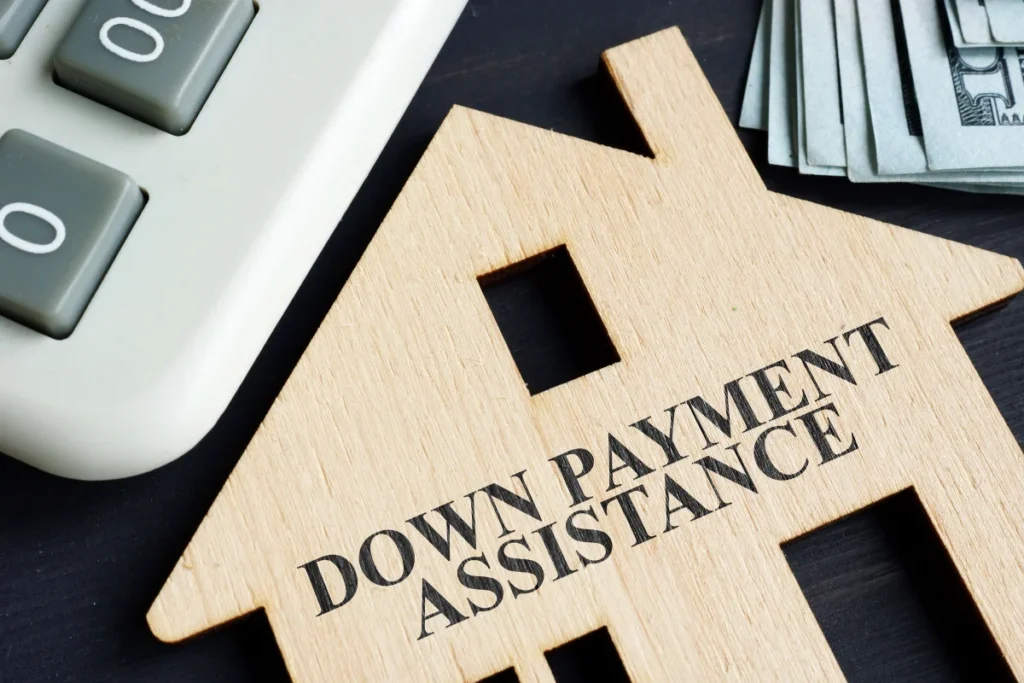
The down payment typically ranges from 3.5% to 20% of the purchase price, depending on your loan type. Closing costs add another 2-5% of the loan amount, covering expenses like appraisal fees, title insurance, and loan origination fees.
Monthly Housing Expenses and Property Taxes
Beyond your monthly mortgage, plan for property taxes, homeowners insurance, and possibly private mortgage insurance (PMI) if your down payment is less than 20%. Incorporating your monthly mortgage payment into your overall housing budget is crucial to ensure you can manage all related expenses without financial strain. Many lenders escrow these costs into your monthly payment.
Utilities and Maintenance
As a homeowner, you’re responsible for all utility costs and home maintenance. Set aside 1-3% of your home’s value annually for maintenance and repairs. This fund helps cover both routine upkeep and unexpected repairs.
Monthly Housing Budget Breakdown Example
Based on $6,000 Monthly Gross Income
Saving for a Down Payment and Closing Costs
Saving for a down payment and closing costs is a crucial step in the home buying process. A down payment is a percentage of the purchase price of a home that you pay upfront, while closing costs are fees associated with the home buying process. Here are some tips to help you save for a down payment and closing costs:
- Set a Savings Goal: Determine the amount you need for your down payment and closing costs. Typically, a down payment ranges from 3.5% to 20% of the purchase price, while closing costs can add another 2-5%. Knowing your target amount helps you create a focused savings plan.
- Create a Dedicated Savings Account: Open a separate savings account specifically for your home buying budget. This helps you track your progress and resist the temptation to dip into these funds for other expenses.
- Automate Your Savings: Set up automatic transfers from your checking account to your dedicated savings account. Consistent, automatic contributions make it easier to build your savings over time without having to think about it.
- Cut Unnecessary Expenses: Review your current spending habits and identify areas where you can cut back. Redirect the money saved from dining out, subscriptions, or other non-essential expenses into your home savings account.
- Boost Your Income: Consider taking on a side job or freelance work to increase your income. Any extra earnings can be funneled directly into your down payment and closing costs fund.
- Take Advantage of Windfalls: Use bonuses, tax refunds, or monetary gifts to boost your savings. These unexpected funds can significantly accelerate your progress toward your goal.
By following these strategies, you can steadily build the funds needed for your down payment and closing costs, bringing you one step closer to homeownership.
Creating a Sustainable Housing Budget
Start by examining your current spending patterns and identifying areas where you can reduce expenses. Be sure to account for ongoing costs such as utilities, maintenance, and homeowners insurance, which can significantly impact your overall budget. Create a realistic savings plan that accounts for both your down payment and post-purchase emergency fund. Consider setting up automatic transfers to a dedicated savings account for housing-related expenses.
Common Budgeting Pitfalls to Avoid
Many first-time homebuyers focus solely on the mortgage payment, forgetting about additional homeownership costs. It’s important to consider your monthly mortgage payment as part of your overall housing expenses to avoid financial strain. Others make the mistake of using their entire loan approval amount, leaving no financial cushion for emergencies or lifestyle changes. Remember that your home budget should allow you to maintain your quality of life while building equity in your property.
Signs of a Healthy Home Budget
Your housing budget is likely sustainable if you can comfortably make monthly payments while maintaining emergency savings and meeting other financial goals. You should still be able to contribute to retirement accounts and have funds available for home maintenance and unexpected expenses.
Additional Resources
Ready to Take the Next Step?
Contact DSLD Mortgage today to discuss your home buying goals and create a personalized budget plan. Our team is committed to helping you achieve sustainable homeownership through smart financial planning and expert guidance.
Note: This information is provided for educational purposes. Please consult with financial advisors for specific advice regarding your situation.
How much will your mortgage be? You can use DSLD Mortgage’s Mortgage Calculator to estimate your monthly mortgage payment.
Current mortgage rates holding you back? Don’t miss out on these deals! Buy a home with DSLD Mortgage and take advantage of our limited-time mortgage promotions.
Begin Your Home Search with DSLD Homes

To get a feel for the lifestyle that awaits you in a DSLD Homes community, visit one of their communities throughout the Southern Region.
With a diverse selection of floor plans and communities to choose from, you’re sure to find the perfect fit for your lifestyle.