
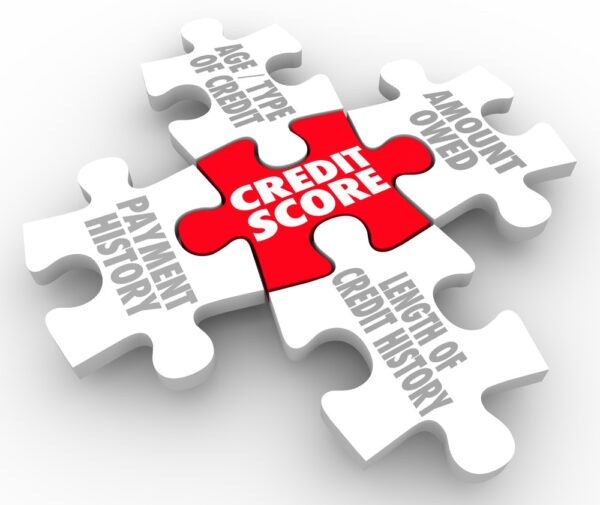
Have you ever wondered what exactly influences that mysterious 3-digit number — your credit score? It’s more than just paying bills on time (although that’s crucial!).
Let’s break down the key factors that can sway your score up or down, especially when making major financial decisions like securing a mortgage or exploring the cheapest states to live in the US.
The Quick Answer
Your credit score is impacted by various factors, primarily:
- Payment History: Late or missed payments can significantly lower your score.
- Amounts Owed: High credit utilization (owing a lot compared to your credit limit) negatively impacts your score.
- Length of Credit History: A longer credit history generally leads to a better score.
- Credit Mix: Having a mix of different credit accounts (e.g., credit cards, loans, etc) can be beneficial.
- New Credit: Opening several new accounts in a short period can lower your score.
Payment History: The Cornerstone of Your Score
Your payment track record is the most critical factor influencing your credit score.
- On-Time Payments are King: Consistently paying bills on time is vital to building a good credit score.
- Late Payments Sting: Even a single late payment can negatively impact your credit score — especially if it’s recent.
- Severity Matters: The later the payment (30, 60, 90+ days late), the worse the impact.
Amounts Owed: Keep It in Check
How much you owe relative to your credit limit significantly impacts your creditworthiness.
- Credit Utilization Ratio: This is the amount of credit you use compared to your total available credit. Aim to keep it below 30%.
- High Balances Hurt: Maxing out your credit cards signals risk to lenders and can lower your score, affecting your ability to qualify for loans or even impacting decisions like whether you can buy or build a house.
- Multiple Accounts Matter: Even if your overall utilization is low, having high balances on individual accounts can still impact your score.
Length of Credit History: Time Is on Your Side
A longer credit history demonstrates responsible credit management and can boost your score.
- The Longer, the Better: A long credit history demonstrates responsible credit management.
- Don’t Close Old Accounts: Keeping old accounts open, even if unused, can help your score by increasing your average account age.
- New Accounts Impact: Opening multiple new accounts in a short time can lower your average account age and hurt your score.
Credit Mix: Variety Can Be a Plus
Having different types of credit accounts can indicate you can handle credit responsibly.
- Demonstrate Responsibility: Having a mix of credit accounts (e.g., credit cards, installment loans, mortgage) shows that you can manage different types of credit responsibly.
- It’s Not Essential: Not everyone needs a diverse credit mix. Focus on managing the credit you have responsibly, especially if you are considering specialized loan options like USDA Loans, which have specific credit requirements.
New Credit: Tread Carefully
Applying for too much new credit too quickly can negatively affect your score.
- Hard Inquiries: When you apply for new credit, lenders do a “hard inquiry” on your credit report, which can temporarily lower your score.
- Too Many Inquiries: Multiple hard inquiries in a short time can signal risk to lenders.
- Soft Inquiries Don’t Count: Checking your own credit score or pre-qualifying for a loan results in a “soft inquiry,” which doesn’t impact your score.
Expert Tips to Boost Your Credit Score
Take actionable steps to improve your credit health and unlock financial opportunities.
- Pay Bills on Time, Every Time: Set reminders or automate payments to avoid late fees and credit score damage.
- Reduce Credit Card Debt: Pay down high balances to lower your credit utilization ratio, and consider quick ways to boost your savings to accelerate this process.
- Limit New Credit Applications: Only apply for credit when you truly need it.
- Monitor Your Credit Report: Regularly check for errors and dispute any inaccuracies.
The Bottom Line
A good credit score leads to better financial opportunities — from lower interest rates to easier loan approvals — and your credit score directly reflects your financial habits. But, by understanding the main factors that influence your score, you can proactively build and maintain a healthy score.
Ready to take the next step? Talk to a DSLD Loan Officer today, and let us help you achieve your homeownership dreams!
Credit Score FAQs
How often is my credit score updated?
Your credit score can change when new information is reported to the credit bureaus, which typically happens monthly.
Will checking my credit score hurt it?
Checking your own credit score is a “soft inquiry,” which doesn’t impact your score.
How long does it take to improve my credit score?
It depends on the severity of negative items on your report and your efforts to improve your credit habits. It can take months or even years to see significant improvement.
Can I improve my credit score quickly?
While there are no quick fixes, paying down credit card debt and consistently making on-time payments can have a positive impact relatively quickly.
Article Sources:
- Consumer Financial Protection Bureau. “Credit reports and scores” August 12, 2024
- Experian. “Good Credit Scores.” August 12, 2024
- Equifax. “What is a credit score?” July 2021
- TransUnion. “Guide to Credit Score Factors” September 17, 2023.


