Quick Answer:
Buying a home in Pensacola with a VA loan is about more than understanding your benefits. It also means knowing where you want to live, how far you’re willing to commute to base and which local costs, like flood insurance and property taxes, can change the real price of a home. This guide walks through those local factors for veterans, active-duty buyers, and anyone settling in the Pensacola area after their service ends.
Who This Guide Is For
Veterans and active-duty service members considering a home purchase in the Pensacola area will benefit from reading this guide. This includes if you’re moving here on PCS orders, buying your first home near base, or relocating after separation or retirement.
The considerations can be different depending on your situation. A service member on a tight PCS timeline may prioritize commute and cash flow, while someone planning to stay in Pensacola long-term may care more about community, insurance costs, and a home’s long-term value.
The goal with this guide is for potential buyers, specifically local veterans or those who qualify, to get a clear picture of what buying in Pensacola involves and how to use your VA loan benefit.
Understanding the Basics of VA Loans
If you want to learn more about the basics of VA loans, our blog covers everything from how they work to who qualifies. These resources are a good place to start:
- Want to understand the benefits of this loan option? Learn more here.
- We’ve covered how VA Loan Entitlement is the homebuying superpower here.
- It’s worth knowing the current limits and what that means for your homebuying journey.
Do You Have to Live Near NAS Pensacola or Corry Station?
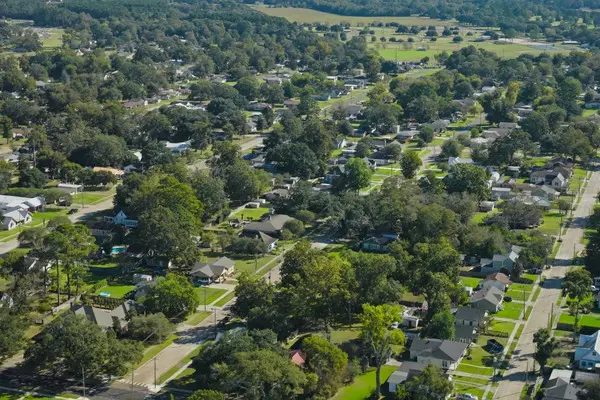
Not necessarily. If you’re moving to Pensacola on military orders, your first instinct may be to search for the home closest to your installation, but you’re not required to buy within Pensacola city limits. Your search can reasonably include the broader area, including communities farther inland or along the coast toward Gulf Breeze and Pensacola Beach.
Staying closer to base usually means a shorter commute and a smaller search radius. Looking further out, whether inland or toward the coast, often means more flexibility on price, space, and construction age, in exchange for more time in the car. There’s no universally “best” choice here. It depends on how you weigh commute time, budget, and lifestyle, and a local real estate agent or loan officer can help you compare current options once you know what matters most to you.
The Local Costs to Check Before Buying
A VA loan solves the financing side of buying a home, but Pensacola has a few local realities that affect what a home actually costs to own.
Flood zones matter in this local market. A home’s flood zone designation can affect whether your lender requires flood insurance. It’s also one of the factors insurers consider when determining coverage and cost. Even when coverage isn’t required by the lender, some buyers choose to carry it anyway given the region’s coastal exposure.
Homeowners and wind insurance can also vary more than buyers expect. Two homes with similar purchase prices can have very different insurance costs. Factors such as the home’s age, roof condition, location, construction features, and coverage requirements can all affect what you’ll pay. Getting an insurance quote early can give you a much clearer picture of the home’s true monthly cost.
Property taxes and HOA fees are worth factoring in as well, since both vary by neighborhood and can affect your monthly budget as much as the mortgage payment itself.
Maintenance and the age of the home round out the picture. Pensacola has a mix of older, established homes and newer construction. Older homes may need updates to roofing, plumbing and electrical systems sooner than a newer build would. A VA appraisal will flag major issues, but it helps to go in already thinking about what you’re comfortable taking on.
Buying During a PCS vs. Buying to Stay
What matters most in this decision is why you’re buying in Pensacola.
If you’re relocating on orders, a VA loan can ease some of the financial pressure that comes with a move. Temporary housing, travel, deposits, and moving costs tend to hit all at once, and removing the down payment requirement frees up cash for those other expenses. It’s still worth budgeting for closing costs and smaller expenses associated with settling in, since a VA loan doesn’t erase every upfront cost, just the largest one. And because orders can change your timeline, it’s worth thinking through what you’d do with the home if you’re reassigned sooner than expected. If that happens, you’ll need to decide what to do with the property. Selling may make sense in some situations, while it may be a good idea to rent it if the numbers and circumstances work. That said, don’t count on future rental income to make today’s purchase affordable. Treat it as a possibility, not a plan.
If you’re a first-time buyer who’s been renting near base, a VA loan can make ownership realistic sooner than it would be otherwise, since it removes the down payment that usually keeps first-time buyers on the sidelines. Before deciding, it helps to compare what a monthly mortgage payment would actually look like next to your current rent, factor in the real commute during your duty hours, and think about taking on maintenance yourself.
If you’re separating, retiring, or returning to Pensacola after being stationed elsewhere, the questions look different. Without a set timeline driving the decision, it’s important to consider whether you already have family or community ties here, what kind of commute you want long-term, and what your housing needs might look like years down the road. The same VA loan benefits apply, but now they’re supporting a decision you’re making for the long run.
If you’ve used your VA loan benefit before, there is a chance you could use it again. The VA’s page on entitlement and loan limits explains how that works in more detail.
A Pensacola VA Home-Buying Checklist
Before making an offer, it can help to have a short list of things to check beyond the listing price:
- Distance to your duty station, not just general proximity to Pensacola
- The home’s flood zone status
- A flood insurance quote, if applicable
- A homeowners insurance quote, including wind and hurricane coverage
- Property taxes for that specific address
- HOA fees and restrictions, if any
- Age and condition of the roof, HVAC system, plumbing and electrical
- Commute time during your actual work hours
- Whether you’re plan to stay for a short time or longer
What to Look for in a Pensacola VA Lender
Not every lender handles VA loans the same way, and the difference tends to show up most when your timeline is tight or your situation isn’t straightforward. There are a few questions to ask before choosing one.
Do they close VA purchase loans regularly, or only occasionally? Are they used to working around PCS timelines? Can they communicate clearly if you’re relocating and can’t meet in person? Do they understand local issues and coastal property considerations? And do they coordinate well with real estate agents in the area?
DSLD Mortgage helps veterans and active-duty buyers across the South, and our Florida office is experienced in helping those in Pensacola and throughout the state. Our loan officers work to help you understand your financing options based on your timeline and circumstances, with the goal of getting you into a new home.
How much will your mortgage be? You can use DSLD Mortgage’s Mortgage Calculator to estimate your monthly mortgage payment.
Current mortgage rates holding you back? Don’t miss out on these deals! Buy a home with DSLD Mortgage and take advantage of our limited-time mortgage promotions.
Mortgage FAQs
Owning a home is a dream we help bring to life every day. You probably have a lot of questions, and that’s a good thing! Here are the answers to some of the most frequently asked questions we get, designed to make your path to homeownership as smooth as possible.
Yes, as long as the property meets VA loan requirements and appraisal standards. Homes closer to base tend to be in higher demand, so getting pre-approved before you start touring can help you move quickly.
Yes, a power of attorney can allow a trusted person, often a spouse, to sign documents and manage the process on your behalf. It’s best to set this up before deployment if a home purchase might happen while you’re away.
Most buyers start looking 60-90 days before their report date, though it can vavry depending on how competitive the market is at the time. Getting pre-approved early gives you room to move quickly once you find the right home.
If your orders shift before closing, talk to your lender and real estate agent right away. Depending on the timing, you may be able to adjust your closing date, or in some cases back out of a contract, so it’s better to flag a change as soon as you know about it.
Begin Your Home Search with DSLD Homes
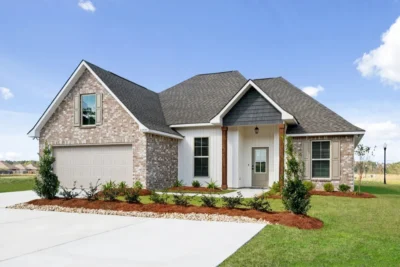
To get a feel for the lifestyle that awaits you in a DSLD Homes community, visit one of their communities throughout the Southern Region.
With a diverse selection of floor plans and communities to choose from, you’re sure to find the perfect fit for your lifestyle.