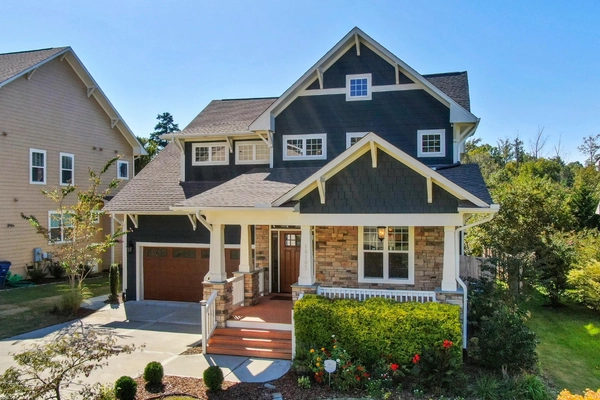
Purchasing a home on one income requires careful planning, smart budgeting, and a clear understanding of your financing options.
At DSLD Mortgage, we believe homeownership is about more than just four walls – it’s about creating your own path to freedom.
Buying a home is a big dream for many people. But what if you’re the only person in your household bringing in money? Don’t worry, you can still make homeownership happen! Many single people and families with one working parent successfully buy homes every year. The key is knowing how to plan, save, and find the right help.
Let’s walk through everything you need to know about buying a home on one income.
Introduction to Affordable Homeownership
Affordable homeownership is a major milestone that brings both pride and financial security. For many individuals and families living on a single income, the idea of buying a home may seem out of reach; but with the right planning and support, it’s absolutely possible. The key is to understand all the factors that go into purchasing a home, from down payments and property taxes to your gross monthly income and overall housing costs.
By taking advantage of payment assistance programs and working closely with a knowledgeable loan officer, you can find solutions tailored to your unique financial situation. Your credit score, income, and the loan terms you qualify for will all play a role in determining what you can afford. With careful budgeting and a clear understanding of the costs involved, you can make informed decisions and move confidently toward homeownership, even on a single income. Remember, there are many programs and resources designed to help buyers like you achieve their dream of owning a home.
Assessing Your Financial Readiness
Before you start looking at houses, you need to take a close look at your money situation. This step is like checking your car before a long road trip. You want to make sure everything is working properly.
Check your credit score and review your credit report for any errors. If your credit score is lower than you’d like, it’s important to take steps to build credit before applying for a mortgage. Building credit can help you qualify for better loan options and improve your chances of buying a home on one income.
Know Your Income
First, figure out exactly how much money you make each month after taxes. This is called your take-home pay. Your take-home pay is different from your monthly gross income, which is your total earnings before taxes and deductions. Lenders use your monthly gross income to determine how much home you can afford. If your income changes from month to month, use the average from the past year. Don’t forget to include any extra money you get regularly, like:
- Child support payments
- Alimony payments
- Money from side jobs
- Income from rentals you own
List All Your Expenses
Next, write down everything you spend money on each month. This includes:
- Rent or current mortgage
- Car payments
- Credit card payments
- Student loans
- Phone bills
- Groceries
- Gas for your car
- Insurance
- Fun activities
Be honest about what you spend. Many people are surprised when they see how much they actually spend each month.
Check Your Debt
Lenders care a lot about how much debt you have compared to your income. This is called your debt-to-income ratio. To find yours, add up all your monthly debt payments and divide by your monthly income before taxes.
For example, if you make $4,000 per month before taxes and your debts cost $800 per month, your ratio is 20%. Most lenders want this number to be under 43% when they include your new house payment.
You can also use online home affordability calculators to estimate the price range of homes you can afford based on your monthly gross income and debts.
Look at Your Credit Score
Your credit score is like a grade for how well you handle money. Higher scores mean better loan deals. You can check your score for free once a year. If your score needs work, focus on:
- Paying all bills on time
- Paying down credit card balances
- Not opening new credit accounts
Understanding Homeownership Costs
When you’re planning to buy a home, it’s important to look beyond the initial down payment and consider the full range of homeownership costs. Your monthly mortgage payment will likely be your biggest expense, but you’ll also need to budget for property taxes, homeowners insurance, and ongoing maintenance. These costs can add up quickly, so it’s essential to have a clear picture of what you’ll be paying each month.
A higher credit score can help you secure lower interest rates, which means lower monthly payments and greater financial security over time. Exploring payment assistance programs can also help reduce your upfront costs or monthly expenses, making homeownership more affordable. Working with a knowledgeable loan officer is invaluable. They can help you understand all the costs involved, identify opportunities for savings, and ensure you’re not caught off guard by unexpected expenses.
By planning ahead and keeping your budget in mind, you can manage your homeownership costs and enjoy the benefits of owning your own property without financial stress.
Budgeting and Setting Realistic Expectations
Once you know where your money goes, it’s time to make a plan for buying a home. Saving for both upfront costs, like a down payment, and ongoing expenses such as insurance, taxes, and maintenance is essential for successful homeownership.
To ensure you’re financially ready for all aspects of buying and owning a home, start saving as early as possible.
The 28% Rule
Many experts say your house payment should not be more than 28% of your income before taxes. So, if you make $4,000 per month before taxes, your house payment should be under $1,120. This includes:
- Your mortgage payment
- Property taxes
- Home insurance
- HOA fees (if any)
Save for Upfront Costs
Buying a home costs money upfront, not just monthly payments. Plan to save for:
Down Payment: This can be as little as 3% of the home’s price, but more is better. Some loan programs allow for a small down payment, making homeownership more accessible for first-time and low-income buyers. On a $200,000 home, 3% would be $6,000. Saving for a larger down payment can help you qualify for better mortgage rates and reduce your overall loan costs.
Closing Costs: These usually cost 2-5% of the home’s price. On that same $200,000 home, expect $4,000-$10,000 in closing costs.
Moving Expenses: Don’t forget the cost of moving trucks, boxes, and taking time off work.
Emergency Fund: Keep some money saved for repairs and unexpected costs after you move in.
Set Realistic Home Expectations
On one income, you might need to adjust your dream home wishes. Consider:
- Looking in neighborhoods that cost less
- Buying a smaller home to start
- Choosing a home that needs some fixing up
- Looking at condos or townhomes instead of single-family houses
Remember, you can always sell and upgrade later when your income grows.
Start your home search only after determining your budget and affordability, so you can make informed decisions throughout the process.
Considering Loan Options and Co-Signers
There are several types of home loans that can help single-income buyers. Understanding your options for how to finance your home is key to finding the best fit for your situation. Each has different rules and benefits, and qualifying for the right loan will depend on your income, credit, and other financial factors.
FHA Loans
FHA loans are backed by the government and designed to help regular families buy homes. Benefits include:
- Down payments as low as 3.5%
- Lower credit score requirements
- More flexible income rules
- Can use gift money for down payment
FHA loans are especially popular among first time buyers because their flexible credit and down payment requirements make it easier for first-time buyers to qualify for a mortgage.
The downside is you’ll pay extra insurance costs each month.
VA Loans
If you served in the military, VA loans offer amazing benefits:
- No down payment required
- No monthly insurance costs
- Lower interest rates
- More flexible credit requirements
USDA Loans
USDA loans are designed for homebuyers in rural areas and small towns, offering unique benefits for those outside urban centers. For homes in rural or small-town areas, USDA loans offer:
- No down payment required
- Lower interest rates
- Income limits based on area
The U.S. Department of Agriculture and the Department of Housing and Urban Development (HUD) set eligibility guidelines for these loans, using urban development and local income levels to determine who qualifies. Most lenders require a minimum credit score of 640 or higher to be eligible for a USDA loan.
Conventional Loans
These are regular bank loans. They often require:
- Higher credit scores
- Larger down payments (usually 5-20%)
- Lower debt-to-income ratios
When considering a conventional loan, it’s important to compare different mortgage lenders to find the best rates and terms for your situation.
But they don’t have extra insurance costs if you put down 20%.
Using a Co-Signer
A co-signer is someone who agrees to be responsible for your loan if you can’t pay. This person’s income and credit score are added to yours, which can help you:
- Qualify for a larger loan
- Get better interest rates
- Meet income requirements
Co-signers can be especially helpful for borrowers with limited income or credit history, allowing these borrowers to qualify for a mortgage they might not otherwise obtain.
Common co-signers include parents, siblings, or close friends. But remember that if you can’t make payments, your co-signer will have to pay, and it could hurt their credit too.
Exploring Home Buying Assistance Programs
Many programs exist to help people buy their first homes, especially those with limited incomes. Some of these assistance programs can also help buyers secure lower mortgage rates, making homeownership more affordable.
State and Local Programs
Most states offer help for first-time home buyers. These programs might provide:
- Money for down payments
- Help with closing costs
- Special loan programs
- Tax credits
Some state and local programs have eligibility restrictions if you have purchased a home within the past few years.
Contact your state housing agency to learn what’s available where you live.
Employer Programs
Some companies help their workers buy homes by offering:
- Down payment assistance
- Special loan programs
- Relocation assistance
Ask your HR department if your company offers any housing benefits.
Non-Profit Organizations
Groups like Habitat for Humanity and local housing nonprofits sometimes offer:
- Down payment grants
- Home buying classes
- Special loan programs
- Credit counseling
First-Time Buyer Programs
If you haven’t owned a home in the past three years, you’re considered a first-time buyer. This opens up many special programs with benefits like:
- Lower down payment requirements
- Reduced interest rates
- Help with closing costs
- Free home buying education
Working with a Knowledgeable Loan Officer
Navigating the home buying process on one income can feel overwhelming, but you don’t have to do it alone. Partnering with a knowledgeable loan officer can make all the difference. A good loan officer will take the time to understand your financial situation, explain your loan options, and help you find the best fit for your needs.
They can guide you through the application process, help you gather the necessary documents, and answer any questions you have about down payments, private mortgage insurance, or closing costs. Loan officers are also familiar with payment assistance programs and can connect you with resources that may lower your upfront or monthly payments. Their expertise can help you secure better loan terms, qualify for lower interest rates, and avoid common pitfalls that could cost you money in the long run.
By working with a trusted professional, you’ll have an advocate on your side, making the journey to homeownership smoother and less stressful.
Real Estate and Home Selection
Choosing the right property is one of the most important steps in your home buying journey, especially when you’re working with a single income. Start by determining what you truly need in a home versus what you’d like to have. Consider factors like location, commute times, school districts, and access to amenities. Sometimes, looking in up-and-coming neighborhoods or considering a smaller home, condo, or even a fixer upper can help you stay within your budget while still meeting your needs.
Think about the long-term value of the property and how it fits your lifestyle. A turnkey property may cost more upfront but could save you on repairs and renovations, while a home that needs some work might offer a lower purchase price and the opportunity to build equity over time. Don’t forget to factor in property taxes and homeowners association fees, as these can impact your monthly housing costs.
Work closely with your real estate agent to identify properties that fit your budget and goals. With careful house hunting and a clear understanding of your priorities, you can find a home that’s both affordable and right for you.
Mortgage Application and Pre-Qualification
Before you start making offers, it’s important to get pre-qualified or pre-approved for a mortgage. This process involves sharing your financial information with a lender, who will review your credit report, income, debts, and savings to determine how much you can borrow. Getting pre-qualified gives you a clear idea of your price range and shows sellers that you’re a serious buyer.
A pre-approval letter can also give you an edge in a competitive market, as it demonstrates to sellers and real estate agents that you have the financial backing to follow through on your offer. During this process, your lender will discuss different loan options, interest rates, and payment terms, helping you understand what your monthly mortgage payment will look like.
By taking this step early, you’ll be better prepared for house hunting and can move quickly when you find your dream home. Plus, you’ll have a clearer picture of your budget, so you can focus on properties that truly fit your financial situation.
Understanding Pros and Cons of Buying Solo
Buying a home on one income has both good points and challenges. Understanding both sides helps you make the best choice for your situation.
Advantages of Single-Income Home Buying
You Make All the Decisions: No need to compromise on location, style, or price. You can choose exactly what works for your needs and budget.
Simpler Finances: With only one person’s income and credit to consider, the loan process can be more straightforward.
Full Control: You own the home completely and can make changes, sell, or refinance without needing someone else’s permission.
Building Equity Solo: All the money you build up in your home belongs entirely to you.
Flexible Timeline: You can take your time house hunting without pressure from a partner who might want to rush or wait.
Challenges of Single-Income Home Buying
Smaller Budget: With only one income, you’ll likely qualify for less money than dual-income households.
All Expenses on You: Property taxes, repairs, insurance, and maintenance costs come entirely from your budget.
Higher Risk: If you lose your job or get sick, there’s no backup income to help with house payments.
Limited Options: You might need to look at less expensive areas or smaller homes than you originally wanted.
More Stress: Handling all the financial responsibility alone can feel overwhelming at times.
Making the Right Choice
Consider buying a home on one income if:
- Your income is steady and reliable
- You have good credit and manageable debt
- You’ve saved enough for down payment and emergencies
- You plan to stay in the area for several years
- You’re comfortable with the financial responsibility
Wait to buy if:
- Your job situation is uncertain
- You have too much debt already
- You haven’t saved enough money
- You might need to move soon for work
- The monthly costs would stress your budget
Tips for Success
Here are some final tips to help you succeed as a single-income home buyer:
Get Pre-Approved: Before house hunting, get a letter from a lender showing how much you can borrow. This makes your offers stronger and helps you shop in the right price range.
Work with Professionals: A good real estate agent and mortgage lender who understand single-income buyers can guide you to the best options.
Take Home Buying Classes: Many areas offer free classes that teach you about the process and help you avoid costly mistakes.
Don’t Rush: Take time to find the right home at the right price. It’s better to wait than to buy something you can’t afford.
Plan for the Future: Think about how your income might change and choose a payment you can handle even if your situation changes.
Conclusion
Buying a home on one income is definitely possible with the right planning and approach. Start by understanding your finances, set realistic expectations, and explore all the loan options and assistance programs available to you.
Remember that homeownership is a long-term commitment. Choose a home and payment plan that fits comfortably in your budget today, with room for life’s unexpected changes. With patience, planning, and the right help, you can achieve your dream of homeownership even on a single income.
The key is to start where you are, use what you have, and do what you can. Your perfect home might look different from what you originally imagined, but it will be yours, and that’s what matters most.
Ready to start your home buying journey? Contact DSLD Mortgage today to learn about our loan options and get expert guidance tailored to your unique situation as a single-income buyer.
How much will your mortgage be? You can use DSLD Mortgage’s Mortgage Calculator to estimate your monthly mortgage payment.
Current mortgage rates holding you back? Don’t miss out on these deals! Buy a home with DSLD Mortgage and take advantage of our limited-time mortgage promotions.
Begin Your Home Search with DSLD Homes

To get a feel for the lifestyle that awaits you in a DSLD Homes community, visit one of their communities throughout the Southern Region.
With a diverse selection of floor plans and communities to choose from, you’re sure to find the perfect fit for your lifestyle.