
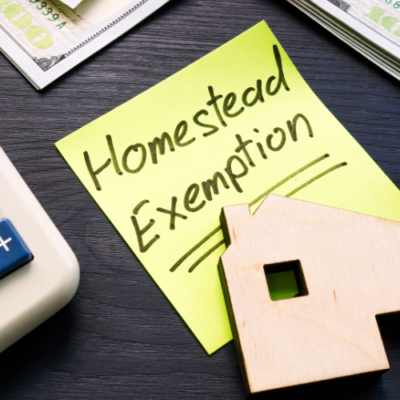
Whether you’re a first-time homebuyer or a seasoned property owner, understanding homestead exemptions can save you money and provide crucial legal protections. Let’s dive into everything you need to know about this important aspect of homeownership.
What is a Homestead Exemption?
A homestead exemption is a legal provision that helps protect the value of a homeowner’s residence from property taxes by providing a property tax exemption, creditors, and circumstances arising from the death of the homeowner’s spouse.
How Does it Work?
Homestead exemptions typically work in one of two ways:
- They exempt a portion of your home’s value from property taxes.
- They protect a portion of your home’s value from creditors in case of bankruptcy or other financial distress.
The property appraiser plays a critical role in the assessment process, determining the value of your property to calculate the applicable exemptions and tax liabilities.
Why is it Beneficial?
- Lower Property Taxes: By reducing the taxable value of your home, you pay less in property taxes.
- Certain exemptions can limit or freeze school taxes, reducing the financial burden on eligible homeowners, such as those who are disabled or over 65.
- Financial Protection: It can shield some of your home’s value from creditors.
- Estate Planning: In some states, it can help protect your home for your surviving spouse or children.
Louisiana
- Exemption Amount: $35,000
- Key Features:
- Applies to the first $35,000 of the home’s value
- Protects against seizure and sale by most creditors
- Does not apply to property taxes
- Eligibility: Must be a primary residence
Mississippi
- Exemption Amount: $75,000
- Key Features:
- Applies to the first $75,000 of the home’s value
- Offers protection in bankruptcy proceedings
- Provides property tax reductions for certain homeowners
- Eligibility: Must be a primary residence, limited to 160 acres
Alabama
- Exemption Amount: $15,000
- Key Features:
- Protects up to $15,000 of the home’s value from creditors
- Offers some protection in bankruptcy
- Does not directly reduce property taxes
- Eligibility: Must be a primary residence
Texas
- Exemption Amount: Unlimited for property value
- Key Features:
- Offers unlimited value protection from most creditors
- Provides property tax reductions
- Limited to 10 acres in urban areas, 100 acres for single adults or 200 acres for families in rural areas
- Eligibility: Must be a primary residence
Tennessee
- Exemption Amount: $5,000 ($7,500 for joint owners)
- Key Features:
- Protects up to $5,000 ($7,500 for joint owners) from creditors
- Offers some protection in bankruptcy
- Does not directly reduce property taxes
- Eligibility: Must be a primary residence
Remember, while these exemptions offer significant protections, they may not apply to all types of debts or legal situations. Always consult with a local legal or tax professional for advice specific to your circumstances.
How to Apply for a Homestead Exemption
- Verify Eligibility: Ensure you meet your state’s requirements (usually primary residence, ownership status).
- Gather Documents: Typically, you’ll need proof of ownership, ID, and sometimes a death certificate for a deceased spouse.
- Find the Right Office: Usually your local tax assessor or county appraiser’s office.
- Fill Out the Application: This can often be done online or in person.
- Submit Before the Deadline: Most states have annual deadlines, often in spring.
- Wait for Approval: Processing times vary by location.
Tip: Many counties offer online application systems. For example, Harris County, Texas, allows online applications and provides detailed guidance on their website.
Eligibility and Qualification for Homestead Exemptions
To qualify for a homestead exemption, property owners must meet specific eligibility criteria, which can vary significantly by state. Generally, the property must be the owner’s primary residence, and they must have an ownership interest in the property. In many states, the owner must also be a resident of the state and occupy the property as their principal residence. Additionally, some states offer homestead exemptions to surviving spouses, disabled veterans, and individuals with disabilities.
For instance, in Texas, to qualify for the general residence homestead exemption, a home must meet the definition of a residence homestead, and the individual must have an ownership interest in the property and use it as their principal residence. Similarly, in Georgia, a homeowner is entitled to a homestead exemption on their home and the land underneath, provided the home was owned by the homeowner and was their legal residence as of January 1 of the taxable year.
Understanding these requirements is crucial for property owners looking to reduce their property tax liability and protect their homestead property.
Types of Homestead Exemptions
There are various types of homestead exemptions available, each designed to provide specific benefits to different groups of property owners:
- General Residence Homestead Exemption: This exemption is available to property owners who occupy their property as their primary residence. It helps reduce the taxable value of the home, thereby lowering the property tax bill.
- Surviving Spouse Exemption: This exemption is available to surviving spouses who continue to occupy the property as their primary residence. It ensures that the surviving spouse can maintain their home without facing an increased property tax burden.
- Disabled Veteran Exemption: This exemption is available to disabled veterans who have a service-connected disability rating of 10% or more. It provides significant property tax relief to those who have served and sacrificed for their country.
- Age 65 or Older Exemption: This exemption is available to property owners who are 65 years or older and occupy their property as their primary residence. It helps senior citizens manage their property tax liability on a fixed income.
- Disabled Person Exemption: This exemption is available to individuals who have a disability and occupy their property as their primary residence. It offers financial relief to those who may face additional challenges in maintaining their home.
Each type of homestead exemption has its own set of eligibility criteria and benefits, so it’s important for property owners to understand which exemptions they qualify for.
Common Myths About Homestead Exemptions
The Financial Benefits of Homestead Exemptions on Property Taxes
- Reduced Property Taxes: The primary benefit for most homeowners. The Social Security Administration plays a crucial role in determining disability eligibility for various tax exemptions, such as special homestead exemptions or residence homestead exemptions. Individuals must meet the SSA’s standards for disability and submit relevant documentation to support their eligibility claims.
- Long-term Savings: Over years of homeownership, savings can be substantial.
- Increased Affordability: Lower taxes can make homeownership more accessible, especially for first-time buyers.
- Stability: Helps protect against rising property taxes in areas with rapidly increasing home values.
Example: In a state with a $50,000 homestead exemption and a 1% property tax rate, you could save $500 annually on a $200,000 home.
Legal Protections Offered by Homestead Exemptions for Property Owners
Homestead exemptions offer crucial legal protections:
- Bankruptcy Protection: In many states, homestead exemptions can protect some or all of your home’s value in bankruptcy proceedings.
- Creditor Protection: They can shield a portion of your home’s value from certain types of creditors.
- Survivorship Rights: In some states, they ensure that a surviving spouse can remain in the home even if they’re not on the title.
State-Specific Homestead Exemptions
Homestead exemptions vary by state, and each state has its own set of rules and regulations. Some states offer more generous exemptions than others, and some states have specific exemptions for certain groups, such as disabled veterans or surviving spouses.
It’s essential for property owners to research and understand the specific homestead exemptions available in their state and to consult with their local tax assessor’s office or county tax commissioner’s office to determine their eligibility and to apply for the exemption.
By understanding the specific homestead exemptions available in your state, you can take full advantage of the benefits and protections they offer.
Homestead Exemptions and First-Time Homebuyers: A Guide
If you’re a first-time homebuyer, here’s what you need to know:
- Factor into Budgeting: When calculating affordability, consider potential tax savings from exemptions.
- Research Before Buying: Exemption laws can vary even within a state, so research specific counties or cities.
- Timing Matters: Some areas have specific timeframes for applying after purchase. Mark your calendar!
- Future Planning: Consider how exemptions might affect your long-term financial and estate planning.
Remember, a homestead exemption can make homeownership more affordable and provide important protections as you begin your journey as a homeowner.
Conclusion
Homestead exemptions are a powerful tool for homeowners, offering financial savings and legal protections. Whether you’re a first-time buyer or a long-time homeowner, understanding and utilizing these exemptions can significantly impact your financial well-being.
Remember, while this guide provides a comprehensive overview, homestead exemption laws can be complex and vary widely. Always consult with local tax authorities or a legal professional for advice specific to your situation.
How much will your mortgage be? You can use DSLD Mortgage’s Mortgage Calculator to estimate your monthly mortgage payment.
Current mortgage rates holding you back? Don’t miss out on these deals! Buy a home with DSLD Mortgage and take advantage of our limited-time mortgage promotions.
Begin Your Home Search with DSLD Homes
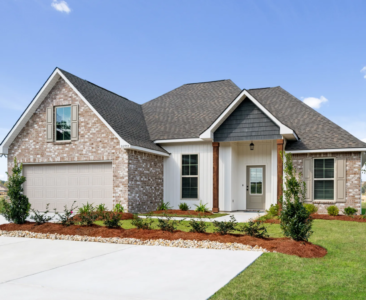
To get a feel for the lifestyle that awaits you in a DSLD Homes community, visit one of their communities throughout the Southern Region.
With a diverse selection of floor plans and communities to choose from, you’re sure to find the perfect fit for your lifestyle.


