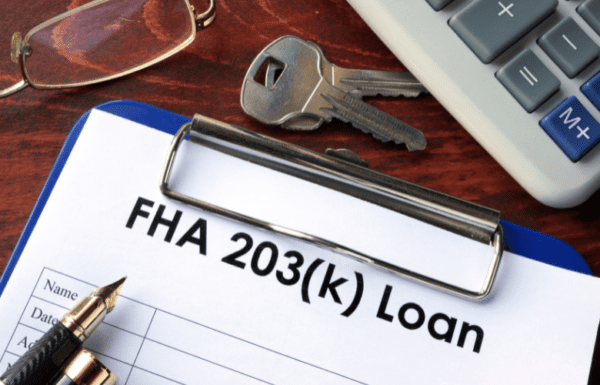
- FHA 203(k) loans allow borrowers to finance both the purchase and renovation of a home with a single mortgage.
- There are two types: Standard 203(k) for major renovations and Limited 203(k) for minor repairs.
- These loans can be used for a wide range of improvements, from structural repairs to energy efficiency upgrades.
- 203(k) loans have more lenient credit requirements compared to conventional renovation loans.
- The process involves additional steps, including a detailed renovation proposal and inspections.
- The minimum down payment requirement for FHA 203(k) loans is 3.5%, which can be received as a gift or through down payment assistance programs.
- Understanding the benefits and requirements of 203(k) loans is crucial for homebuyers considering fixer-uppers.
Introduction
In the world of home financing, the FHA 203(k) loan stands out as a unique and powerful tool. As a renovation loan specialist with years of experience, I’ve seen firsthand how this program can turn the dream of transforming a fixer-upper into a reality for many homebuyers. In this comprehensive guide, we’ll explore everything you need to know about FHA 203(k) loans – from what they are and how they work, to their benefits and potential challenges.
What is an FHA 203(k) Loan?
An FHA 203(k) loan is a specific type of FHA loan, a mortgage insured by the Federal Housing Administration (FHA), that allows homebuyers to finance both the purchase (or refinance) of a house and the cost of its renovation through a single loan. This loan type is designed to promote the rehabilitation of older or damaged properties and to help revitalize neighborhoods.
Types of FHA 203(k) Loans
There are two main types of FHA 203(k) loans:
- Standard 203(k)
- Used for major renovations, including structural repairs.
- Minimum repair cost of $5,000.
- No maximum repair cost, but total loan must fall within FHA mortgage limits for the area. The total loan amount must not exceed the FHA loan limits specific to the region where the property is located.
- Requires a 203(k) consultant to oversee the renovation process.
- Limited 203(k) (formerly known as Streamlined 203(k))
- Used for minor remodeling and non-structural repairs.
- Maximum repair cost of $35,000.
- Does not require a 203(k) consultant.
- Quicker and easier process compared to the Standard 203(k).
- The total loan amount must not exceed the FHA loan limits for the area.
What Can a 203(k) Loan Be Used For? Understanding Renovation Costs
An FHA 203(k) loan is a type of rehab loan designed to finance both the purchase and renovation of a home.
FHA 203(k) loans can be used for a wide range of home improvements, including:
- Structural alterations and reconstruction
- Modernization of the home’s function
- Elimination of health and safety hazards
- Changes that improve appearance and eliminate obsolescence
- Reconditioning or replacing plumbing, installing a well or septic system
- Adding or replacing roofing, gutters, and downspouts
- Adding or replacing floors and/or floor treatments
- Major landscape work and site improvements
- Enhancing accessibility for a disabled person
- Making energy conservation improvements
It’s important to note that while 203(k) loans cover a broad range of renovations, they cannot be used for luxury items such as swimming pools or landscaping.
Benefits of FHA 203(k) Loans
FHA 203(k) loans offer several advantages for homebuyers:
- One Loan for Purchase and Renovation: Instead of taking out a mortgage to buy the home and a separate loan for renovations, you can finance both with a single loan.
- Lower Credit Score Requirements: FHA loans generally have more lenient credit requirements compared to conventional loans.
- Lower Down Payment: You can put down as little as 3.5% of the total loan amount.
- Potential for Instant Equity: By renovating a fixer-upper, you may increase the home’s value beyond the combined purchase price and renovation costs.
- Expanded Housing Options: These loans allow you to consider properties that might otherwise be off-limits due to their condition.
- Energy Efficiency Improvements: You can include energy-saving upgrades in your renovation plans, potentially leading to long-term savings.
- Finance Mortgage Payments During Renovations: FHA 203(k) loans can finance up to six months of mortgage payments if the home is uninhabitable during renovations.
The FHA 203(k) Loan Process
The process of obtaining and using an FHA 203(k) loan involves several steps:
- Find an FHA-approved Lender: Not all lenders offer 203(k) loans, so you’ll need to find one that specializes in these loans.
- Property Identification: Find a property that qualifies for a 203(k) loan.
- Contractor Selection: Choose a licensed contractor to provide a detailed estimate of the work to be done.
- Appraisal: An appraiser will determine the expected value of the property after renovations.
- Loan Approval: The lender will review your application, the renovation plans, and the appraisal.
- Closing: Once approved, you’ll close on the loan.
- Escrow Account Setup: The remaining funds for home improvements are placed in an escrow account and released as the work is completed.
- Renovation: The contractor completes the work, with funds released in draws as work progresses.
- Final Inspection: Once work is complete, a final inspection ensures all planned renovations were completed satisfactorily.
Challenges and Considerations
While 203(k) loans offer many benefits, there are some challenges to consider:
- Complexity: The process is more complex than a standard mortgage and can take longer to close.
- Higher Costs: Interest rates and fees may be slightly higher than standard FHA loans.
- Renovation Oversight: For Standard 203(k) loans, you’ll need to work with a 203(k) consultant, adding another layer to the process.
- Time Constraints: Renovations must generally be completed within six months.
- Contractor Requirements: You must use licensed contractors for all work, which can be more expensive than DIY renovations.
- Mortgage Insurance Premiums: Borrowers need to pay upfront and annual mortgage insurance premiums for FHA 203(k) loans, which can impact the monthly mortgage payment.
Who Should Consider an FHA 203(k) Loan?
FHA 203(k) loans can be an excellent option for:
- First-time homebuyers looking to purchase a fixer-upper Homeowners wanting to refinance and renovate their current home
- Homeowners can use an FHA 203(k) loan to pay off the existing mortgage and finance renovations
- Buyers interested in older homes that need updating
- Investors looking to renovate and flip properties (for owner-occupied properties)
- Homebuyers with lower credit scores who might not qualify for conventional renovation loans
Common Misconceptions About FHA 203(k) Loans
Let’s address some common misunderstandings:
- Myth: 203(k) loans are only for major fixer-uppers. Reality: The Limited 203(k) can be used for minor repairs and updates on otherwise move-in ready homes.
- Myth: You need perfect credit for a 203(k) loan. Reality: FHA loans, including 203(k), often have more lenient credit requirements than conventional loans.
- Myth: 203(k) loans are only for first-time homebuyers. Reality: While popular with first-time buyers, these loans are available to all qualified borrowers.
- Myth: You can do the renovation work yourself. Reality: Most work must be completed by licensed contractors, though some minor work can be DIY with lender approval.
The Future of FHA 203(k) Loans
As the housing market continues to evolve, 203(k) loans are likely to remain an important tool:
- With rising home prices, these loans may become increasingly popular for buyers looking to create value through renovation.
- There may be increased focus on energy-efficient and “green” renovations within the program.
- As millennials enter the housing market, often preferring urban areas with older housing stock, 203(k) loans could see increased utilization.
Conclusion: Unlocking Potential with FHA 203(k) Loans
FHA 203(k) loans represent a unique opportunity in the world of home financing. By allowing borrowers to combine home purchase (or refinance) and renovation costs into a single loan, they open up a world of possibilities for homebuyers and homeowners alike. Whether you’re a first-time buyer looking to put your personal stamp on a fixer-upper, or a current homeowner wanting to update your property, a 203(k) loan could be the key to making your vision a reality.
However, navigating the 203(k) loan process can be complex. It’s crucial to work with experienced professionals who understand the nuances of these loans and can guide you through each step of the process.
If you’re considering a home purchase that requires renovation, or if you’re thinking about refinancing to update your current home, don’t let the complexity of 203(k) loans deter you. Reach out to us at DSLD Mortgage, and let our team of experts help you explore the possibilities. We’re here to help you understand FHA 203(k) loans, navigate the process, and turn your dream home into a reality.
Remember, every renovation project is unique, and so is every 203(k) loan. With the right knowledge, guidance, and preparation, you can leverage this powerful loan program to create the home you’ve always wanted. Your journey to a beautifully renovated home starts here!
How much will your mortgage be? You can use DSLD Mortgage’s Mortgage Calculator to estimate your monthly mortgage payment.
Current mortgage rates holding you back? Don’t miss out on these deals! Buy a home with DSLD Mortgage and take advantage of our limited-time mortgage promotions.
Mortgage FAQs
Owning a home is a dream we help bring to life every day. You probably have a lot of questions, and that’s a good thing! Here are the answers to some of the most frequently asked questions we get, designed to make your path to homeownership as smooth as possible.
- Debt-to-Income Ratio (DTI)
- Credit Score
- Down Payment
- Other Financial Obligations
- Interest Rates
- Location
Consider ongoing expenses such as property taxes, homeowners insurance, HOA fees, closing costs, and maintenance costs.
Begin Your Home Search with DSLD Homes

To get a feel for the lifestyle that awaits you in a DSLD Homes community, visit one of their communities throughout the Southern Region.
With a diverse selection of floor plans and communities to choose from, you’re sure to find the perfect fit for your lifestyle.