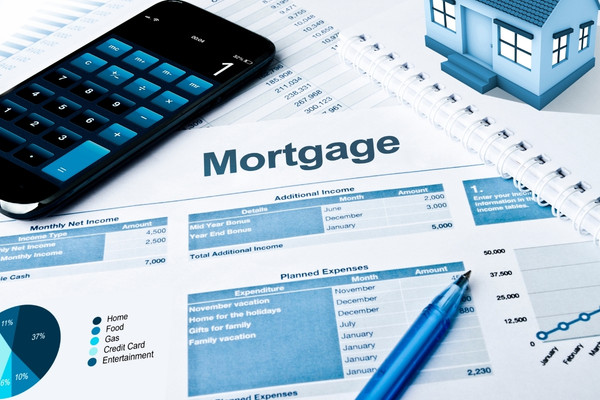
Bank Statement Loans are mortgage products designed for self-employed individuals or those with irregular income. Instead of using traditional income verification methods, these loans use bank statements to prove income and ability to repay the loan.
Key Takeaways
- Bank Statement Loans cater to self-employed borrowers or those with non-traditional income sources.
- They typically require 12-24 months of bank statements to verify income.
- These loans often have higher interest rates and down payment requirements than conventional loans.
- Qualifying is based on cash flow rather than tax returns.
- They can be a good option for borrowers who write off significant business expenses.
Introduction
For many self-employed individuals or those with non-traditional income sources, qualifying for a conventional mortgage can be challenging. This is where Bank Statement Loans come into play. As a mortgage professional in non-traditional lending for years, I’ve helped numerous clients navigate the complexities of Bank Statement Loans. In this comprehensive guide, we’ll explore everything you need to know about these unique mortgage products.
What Are Bank Statement Loans?
Bank Statement Loans, also known as Alternative Income Verification loans or bank statement mortgages, are mortgage products that allow borrowers to qualify based on their bank deposits rather than traditional income documentation like W-2s or tax returns. They’re designed primarily for:
- Self-employed individuals
- Freelancers and gig economy workers
- Real estate investors
- Business owners
- Anyone with significant cash flow but complex tax returns
A bank statement mortgage loan allows borrowers to qualify based on their bank statements rather than traditional income verification methods.
PROS
CONS
How Bank Statement Loans Work
Instead of providing tax returns, borrowers submit bank statements to prove their income:
- Typically, 12-24 months of statements are required
- Lenders analyze deposits to determine average monthly income
- Some lenders may require both business bank statements and personal bank statements
- Submitting bank statements for both personal and business accounts is crucial for lenders to assess the applicant’s financial situation and make informed decisions regarding loan approval
- Certain deposits may be excluded (like transfers between accounts)
Eligibility Requirements
While requirements can vary by lender, typical criteria include:
- Strong credit score (often 680+)
- Significant down payment (often 10-20%)
- Cash reserves (usually 6-12 months of mortgage payments)
- Debt-to-Income ratio below 50%
- Steady bank deposits for at least 12 months
The maximum loan amount is influenced by factors such as borrower income, debt-to-income ratios, and lender-specific limits.
Not all mortgage lenders offer bank statement loans due to their classification as non-qualified mortgages.
Types of Bank Statement Loans
- Personal Bank Statement Loans: Use personal account statements
- Business Bank Statement Loans: Use business account statements
- Combined Statement Loans: Use both personal and business statements
The Application Process
- Pre-qualification: Initial assessment of eligibility
- Document Gathering: Collect bank statements and other required documents
- Application Submission: Complete and submit the loan application
- Underwriting: Lender reviews application and documents
- Approval: Loan is approved, often with conditions
- Closing: Sign final documents and receive funds
Required Documentation
Typically, you’ll need to provide:
- 12-24 months of both personal and business bank statements
- Proof of self-employment (business license, CPA letter)
- Proof of assets
- Identification documents
- Explanation for any large or unusual deposits
A mortgage lender can facilitate the loan process for self-employed individuals who may not qualify for traditional loans.
How Lenders Calculate Income
Methods can vary, but common approaches include:
- Total deposits method: All deposits are considered income Traditional income verification methods, such as pay stubs, are typically required for salaried employees. In contrast, bank statement loans do not require pay stubs, making them ideal for self-employed individuals with fluctuating income.
- Net deposits method: Certain transfers and non-income deposits are excluded
- Expense ratio method: A set expense ratio is applied to gross deposits
Alternatives to Bank Statement Loans
If you don’t qualify, consider these options:
- FHA loans (more lenient credit requirements)
- Conventional loans with alternative documentation
- Asset depletion loans
- Portfolio loans
Tips for Improving Your Chances of Approval
- Maintain consistent deposits in your accounts
- Keep personal and business finances separate
- Save for a larger down payment
- Improve your credit score
- Build up cash reserves
- Reduce your debt-to-income ratio
How DSLD Mortgage Can Help
At DSLD Mortgage, we specialize in non-traditional lending solutions, including Bank Statement Loans. Our team can:
- Help you understand if a Bank Statement Loan is right for your situation
- Guide you through the application process
- Explain how your income will be calculated and verified
- Offer competitive rates and terms for Bank Statement Loans
- Provide alternatives if you don’t qualify for a Bank Statement Loan
Conclusion: Is a Bank Statement Loan Right for You?
Bank Statement Loans can be an excellent solution for self-employed individuals and others with non-traditional income sources who struggle to qualify for conventional mortgages. They offer flexibility in income verification and can be a path to homeownership for those with complex financial situations.
However, they also come with higher costs and stricter requirements in some areas. It’s crucial to weigh the benefits against the potential drawbacks and consider your long-term financial goals.
If you’re considering a Bank Statement Loan, we encourage you to reach out to us at DSLD Mortgage. Our team of experienced professionals can help you navigate the complexities of these loans, understand your options, and determine if this type of financing aligns with your homeownership goals.
Remember, every borrower’s situation is unique. What works for one may not be the best solution for another. Let’s work together to explore your options and find the right mortgage solution for your specific needs and financial situation.
How much will your mortgage be in Louisiana? You can use DSLD Mortgage’s Louisiana Mortgage Calculator to estimate your monthly mortgage payment.
Current mortgage rates in Louisiana holding you back? Don’t miss out on these deals! Buy a home with DSLD Mortgage and take advantage of our limited-time mortgage promotions.
Common Questions About Bank Statement Loans
While primarily for self-employed individuals, some lenders may consider other borrowers with non-traditional income.
Generally yes, but rates can vary based on your financial profile and the lender.
Yes, many lenders allow these loans for investment properties, though terms may differ.
Begin Your Home Search in Louisiana with DSLD Homes

To get a feel for the lifestyle that awaits you in a DSLD Homes community, visit one of their communities throughout Louisiana.
With a diverse selection of floor plans and communities to choose from, you’re sure to find the perfect fit for your lifestyle.