
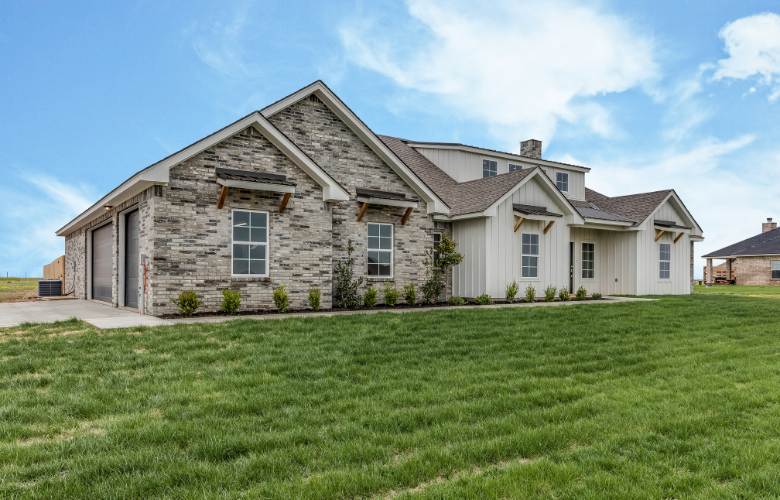
DSLD Mortgage is your local partner in navigating Texas’s unique and diverse housing landscape.
While the average home size in Texas is larger than many other states, it’s important to note that new construction nationwide averages around 2,500 square feet. This comparison highlights how Texas homes often exceed the national average, offering more space and comfort.
Introduction to the Texas Housing Market
The Texas housing market is one of the most dynamic and diverse in the United States. With a booming population and a robust economy, the demand for housing in Texas continues to surge. In recent years, the state has witnessed a notable increase in home sizes, with the average square footage of new homes reaching unprecedented levels. This trend is fueled by a mix of demographic shifts, evolving lifestyle preferences, and favorable economic conditions. As more people flock to Texas for its job opportunities and quality of life, the housing market adapts to meet the growing need for spacious and comfortable living environments.
Texas: A State of Diverse Housing
Everything’s bigger in Texas – and that includes homes! The Lone Star State offers a unique blend of housing styles, from urban condos to sprawling ranch properties, reflecting its rich cultural heritage and varied landscape.
Average Home Size and Square Footage in Texas
- Average home size: Approximately 2,400 square feet, which is above the average size of homes in many other states
- Significantly above the national average of 2,300 square feet
- Varies dramatically across different regions and cities
- The statewide average home size in Texas is larger compared to many other states, reflecting regional differences in housing trends and affordability.
Regional Breakdown of Texas Home Sizes
Houston Metropolitan Area
- Average home size: 2,500-2,700 square feet
- Characteristics:
- Sprawling suburban developments
- Diverse housing options
- Energy industry influence
- Large lot sizes
- Median price: The median price of homes in the Houston area reflects the affordability and market conditions, making it a competitive option compared to other states like South Dakota, Vermont, and Texas.
Dallas-Fort Worth Metroplex
- Average home size: 2,400-2,600 square feet
- Highlights:
- Rapidly growing urban areas
- Mix of modern and traditional designs
- Corporate influence on housing
- Diverse neighborhood styles
- Compared to Colorado Springs, where the average home size is 2,760 square feet due to job growth and an influx of higher-income residents
Austin Region
- Average home size: 2,200-2,450 square feet
- Unique features:
- Tech industry impact
- More urban-focused designs
- Blend of modern and eclectic styles
- Growing population driving housing trends
San Antonio
- Average home size: 2,300-2,500 square feet
- Characteristics:
- Rich cultural heritage
- Mix of historic and new construction
- Military and tourism influences
- Family-friendly housing designs
El Paso and West Texas
- Average home size: 2,100-2,350 square feet
- Highlights:
- More affordable construction
- Larger lot sizes
- Influence of border culture
- Practical, spacious designs
Factors Influencing Home Sizes in Texas
Geographical Considerations
- Vast, open landscapes
- Diverse terrain
- Climate adaptations
- Regional economic differences
Cultural Influences
- Large family traditions
- Multigenerational living
- Outdoor living spaces
- Cowboy and ranch culture
Economic Drivers
- Oil and gas industry
- Technology sector growth
- Agriculture and ranching
- Diverse economic opportunities
- The availability of vacant land impacts home sizes in Texas. As vacant land becomes scarcer, the median lot sizes have diminished, reflecting broader trends in housing affordability and density, particularly in growing urban areas.
Home Size Trends in Texas
Historical Perspective
- 1950s: Average home size around 1,100 square feet
- 1980s: Grew to approximately 1,800 square feet
- 2000s: Expansion to 2,200+ square feet
- 2020s: Focus on efficiency and functionality
- Typical home: In the 1950s, a typical home had 2-3 bedrooms and 1 bathroom. By the 1980s, the typical home featured 3-4 bedrooms and 2 bathrooms. In the 2000s, homes often included 4+ bedrooms and 3 bathrooms. The 2020s see a trend towards smaller, more efficient homes with 2-3 bedrooms and 2 bathrooms.
Demographic Trends in Home Size
Demographic trends significantly shape the Texas housing market. The state’s population is expanding rapidly, attracting young families and professionals to urban hubs like Austin, Dallas, and Houston. This influx has led to a high demand for larger homes that offer ample living space. According to the Texas Real Estate Research Center, the median size of homes in the Houston area is approximately 1,900 square feet, making it one of the largest in the nation. This trend reflects the desire for more room to accommodate growing families and the modern lifestyle needs of Texas residents.
Types of Homes in Texas
Urban Homes
- Compact city living
- Condos and townhouses
- Efficient designs
- 1,500-2,000 square feet
Suburban Homes
- Spacious family residences
- Modern amenities
- Large lot sizes
- 2,400-2,700 square foot homes
Rural and Ranch Homes
- Expansive properties
- Significant land areas
- Functional designs
- 2,500-3,500 square feet
Home Size and Lifestyle
Home size in Texas is closely tied to lifestyle preferences. Many homeowners in the state prioritize having a spacious living area, multiple bedrooms, and a large backyard. This preference is evident in the state’s average house size, which surpasses the nationwide average. For instance, in Austin, the median home size is around 2,020 square feet, with a median lot size of 8,620 square feet. These dimensions provide ample space for outdoor living, entertaining, and recreational activities, catering to the Texan way of life that values both indoor and outdoor spaces.
Affordable Housing Considerations
Factors Affecting Home Sizes
- Construction costs
- Land availability
- Local regulations
- Economic conditions
- Comparison with other cities: In Texas, factors such as lower land costs and fewer regulations often result in larger home sizes. In contrast, in major coastal cities like San Francisco, high population density and demand drive real estate prices upward, resulting in smaller average home sizes. Additionally, there is a trend of Americans moving away from these dense urban centers in search of larger homes and lower costs in less populated regions.
Affordability Strategies
- Efficient floor plans
- Multifunctional spaces
- Smart design choices
- Consider long-term needs
How DSLD Mortgage Supports Texas Homebuyers
Our Local Expertise
- Deep understanding of Texas market
- Tailored financing solutions
- Regional insights
- Personalized guidance
What We Offer
- Local market analysis
- Flexible mortgage options
- Community-focused approach
- Comprehensive support
Home Size and Sustainability
While larger homes are desirable for many Texans, there is a growing awareness of sustainability and environmental impact. As the state’s population continues to grow, the need for more efficient and sustainable housing options becomes increasingly important. Builders and developers are responding to this demand by incorporating green building techniques and energy-efficient features into their designs. For example, some new homes in Texas are being constructed with solar panels, rainwater harvesting systems, and high-performance insulation. These features not only reduce the environmental footprint of the home but also offer cost savings for homeowners, making sustainable living both practical and appealing.
By addressing these various aspects of home sizes in Texas, we can better understand the factors driving the trends and preferences in the state’s housing market. Whether you’re looking for a spacious suburban home or a sustainable urban dwelling, Texas offers a wide range of options to suit every lifestyle.
Future of Texas Home Sizes
Emerging Trends
- Sustainable design
- Energy-efficient homes
- Flexible living spaces
- Technology integration
- Adaptable floor plans
Predictions
- Continued focus on efficiency
- Smart home technologies
- Environmentally conscious construction
- Adaptable living spaces
Choosing the Right Home Size in Texas
Key Considerations
- Family size
- Lifestyle needs
- Budget constraints
- Future plans
- Local community characteristics
Decision-Making Tips
- Assess current and future needs
- Consider maintenance capabilities
- Understand local building styles
- Think long-term
- Explore different regions
Final Thoughts
Texas home sizes reflect the state’s diverse culture, expansive landscape, and innovative spirit. Whether you’re looking for a compact urban dwelling or a sprawling ranch-style home, Texas offers something for every lifestyle.
Disclaimer: Every homebuyer’s needs are unique. Consult with local real estate and financial professionals for personalized advice.
Your Texas Home Awaits
- Explore local options
- Understand regional characteristics
- Consider your lifestyle
- Dream big, plan smart
Let DSLD Mortgage help you find your perfect Texas home!
How much will your mortgage be? You can use DSLD Mortgage’s Mortgage Calculator to estimate your monthly mortgage payment.
Current mortgage rates holding you back? Don’t miss out on these deals! Buy a home with DSLD Mortgage and take advantage of our limited-time mortgage promotions.
Begin Your Home Search with DSLD Homes

To get a feel for the lifestyle that awaits you in a DSLD Homes community, visit one of their communities throughout the Southern Region.
With a diverse selection of floor plans and communities to choose from, you’re sure to find the perfect fit for your lifestyle.


