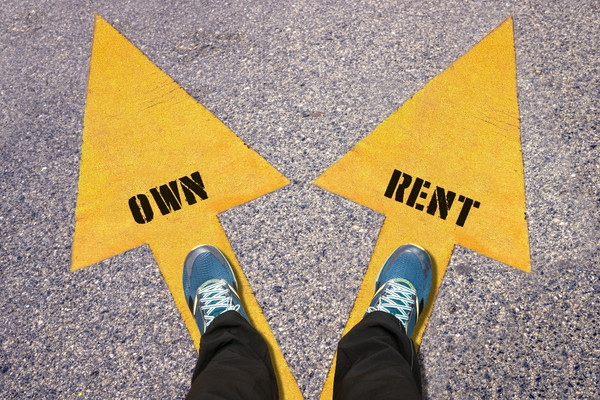
The decision to rent or buy a home is one of the most significant financial choices you’ll make. As a mortgage professional and CPA with years of experience, I’ve guided numerous clients through this decision-making process. In this comprehensive guide, we’ll explore the factors you should consider when deciding whether to rent or buy your home.
Key Takeaways
- Financial readiness, including savings for a down payment and closing costs, is crucial for buying.
- The local real estate market greatly influences the rent vs. buy decision.
- Long-term plans and lifestyle preferences play a significant role in the choice.
- Homeownership comes with additional costs and responsibilities beyond the mortgage payment.
- Renting offers flexibility but doesn’t build equity or provide tax benefits.
Quick Answer:
The decision to rent or buy depends on various factors including your financial situation, long-term goals, local real estate market conditions, and personal preferences. Generally, buying may be better if you plan to stay in one place for at least 5-7 years, have a stable income, and are ready for the responsibilities of homeownership. Renting offers more flexibility and fewer upfront costs but doesn’t build equity.
Financial Considerations
Upfront Costs: Down Payment
Buying:
- Down payment (typically 3.5-20% of home price)
- Closing costs (2-5% of home price)
- Moving expenses
Renting:
- Security deposit (usually 1-2 months’ rent)
- First and last month’s rent
- Moving expenses
- Ongoing Costs
Buying:
- Monthly mortgage payment and other monthly payments
- Property taxes
- Homeowners insurance
- Maintenance and repairs
- HOA fees (if applicable)
- Private mortgage insurance (PMI) if the down payment is less than 20%
Renting:
- Monthly rent
- Monthly cost and monthly payment
- Renter’s insurance
- Renters insurance to protect personal property and provide liability coverage
- Equity Building
Buying: Each mortgage payment builds equity in your home. Renting: Payments do not build equity.
- Tax Benefits: Mortgage Interest Deduction
Buying: Potential tax deductions for mortgage interest, including the mortgage interest deduction, and property taxes. Renting: Generally no tax benefits.
Market Conditions
- Price-to-Rent Ratio
Calculate this by dividing the home price by annual rent for a comparable property to understand the monthly cost implications. A lower ratio (typically below 15) favors buying, while a higher ratio favors renting.
- Real Estate Market Trends
- Are home prices rising or falling in your area?
- What are the projected growth rates for the neighborhood?
- How do interest rates impact real estate market trends and home prices? Fluctuating interest rates can significantly affect mortgage payments and overall home ownership costs, making them a crucial factor in long-term financial planning and investment strategies.
- Rental Market Conditions: Monthly Rent
- Are rents increasing or decreasing?
- What’s the availability of rental properties in your desired area?
Personal Factors
Length of Stay
- Buying typically makes more sense if you plan to stay in one place for at least 5-7 years.
- Renting offers more flexibility for those who may need to relocate.
- Lifestyle Preferences
- Do you value the stability of owning or the flexibility of renting?
- Are you ready for the responsibilities of homeownership?
- Career Stability
- Is your job secure?
- Are you likely to be transferred or change jobs in the near future?
- Family Plans
- Are you planning to start or expand your family?
- Do you need the stability of a permanent home for school districts?
Pros and Cons
Buying Pros:
- Build equity over time
- Potential for property value appreciation
- Stability and ability to customize your home
- Potential tax benefits
Buying Cons:
- High upfront costs
- Responsibility for maintenance and repairs: Owning a home costs money beyond the initial purchase price. Maintenance, repairs, and selling costs, including realtor commissions, significantly contribute to the financial burden. Additionally, insurance, property taxes, and other long-term costs also need to be factored into the overall calculation of what it actually costs to own a home.
- Less flexibility to move
- Potential for property value depreciation
Renting Pros:
- Lower upfront costs
- More flexibility to move
- Landlord responsible for maintenance and repairs
- Predictable monthly housing costs
Renting Cons:
- No equity building
- Rent can increase over time
- Limited ability to customize your living space
- No tax benefits, but you also don’t have to pay property taxes
Tools for Decision Making
- Rent vs. Buy Calculators: Use online tools to compare long-term costs.
- Local Market Analysis: Research home prices and rental rates in your area.
- Financial Assessment: Review your savings, income, and debt.
- Future Planning: Consider your 5-10 year life plan.
Steps to Make Your Decision
- Assess Your Finances:
- Check your credit score
- Calculate your debt-to-income ratio
- Evaluate your savings
- Analyze Your Local Market:
- Research home prices and rental rates
- Look at market trends and projections
- Consider Your Lifestyle:
- Evaluate your need for stability vs. flexibility
- Consider your long-term plans
- Calculate Long-Term Costs:
- Use rent vs. buy calculators
- Factor in all associated costs for both options
- Consult with Professionals:
- Speak with a financial advisor
- Consult with a real estate agent
How DSLD Mortgage Can Help
At DSLD Mortgage, we understand that the rent vs. buy decision is complex and personal. Our team can:
- Help you assess your financial readiness for homeownership
- Provide information on various mortgage options if you decide to buy
- Offer personalized advice based on your unique situation
- Guide you through the home buying process if you choose to purchase
Conclusion: Making the Right Choice for You
Deciding whether to rent or buy your home is a significant decision that depends on various financial and personal factors. While buying can offer long-term financial benefits and stability, renting provides flexibility and fewer upfront costs.
Remember, there’s no one-size-fits-all answer. The right choice depends on your individual circumstances, financial situation, and long-term goals. Take the time to carefully consider all factors, use available tools and resources, and don’t hesitate to seek professional advice.
If you’re leaning towards buying and want to explore your options, we encourage you to reach out to us at DSLD Mortgage. Our team of experienced professionals can help you understand your mortgage options, assess your readiness for homeownership, and guide you through the process if you decide to buy.
Whether you choose to rent or buy, the most important thing is that your decision aligns with your financial goals and personal needs. Make an informed choice that sets you up for long-term financial success and personal satisfaction.
How much will your mortgage be? You can use DSLD Mortgage’s Mortgage Calculator to estimate your monthly mortgage payment.
Current mortgage rates holding you back? Don’t miss out on these deals! Buy a home with DSLD Mortgage and take advantage of our limited-time mortgage promotions.
Mortgage FAQs
Owning a home is a dream we help bring to life every day. You probably have a lot of questions, and that’s a good thing! Here are the answers to some of the most frequently asked questions we get, designed to make your path to homeownership as smooth as possible.
Not necessarily. It depends on your personal circumstances and local market conditions.
Aim for at least 20% of the home price for a down payment, plus additional savings for closing costs and emergencies.
If you’re uncertain about your long-term plans, renting often provides more flexibility.
Begin Your Home Search with DSLD Homes

To get a feel for the lifestyle that awaits you in a DSLD Homes community, visit one of their communities throughout the Southern Region.
With a diverse selection of floor plans and communities to choose from, you’re sure to find the perfect fit for your lifestyle.