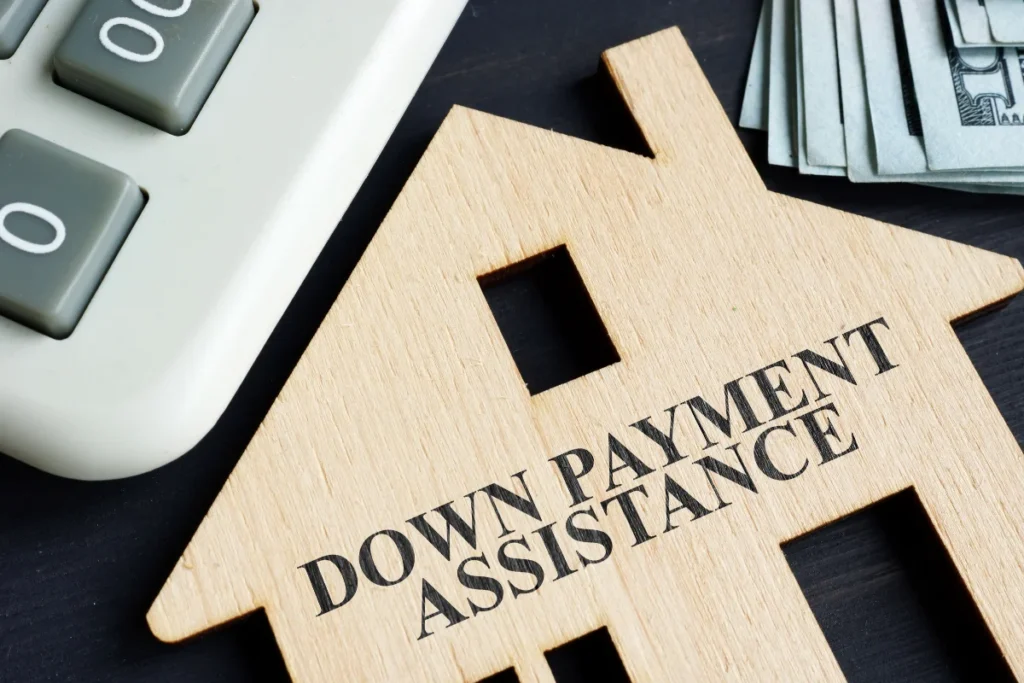
Mortgage buydown programs provide payment relief through temporarily reduced interest rates. With this structure, first-year rates decrease by 2%, second-year rates decrease by 1%, and full rates apply from year three onward. Monthly payments remain lower during the initial ownership period, addressing affordability concerns while maintaining fixed-rate loan benefits.
How It Works
The 2/1 buydown follows a three-phase payment schedule over the loan term:
Year 1: Interest rate reduces by 2% below the permanent rate, resulting in lower monthly payments.
Year 2: Interest rate reduces by 1% below the permanent rate, with payments increasing from year one levels but remaining below the standard amount.
Year 3 and Beyond: The permanent interest rate applies for the remainder of the loan term.
Payment Calculation Example
A $300,000 loan with a 7% permanent rate and 30-year term generates these monthly payments under a 2/1 buydown:
Year 1 (at 5%): $1,610 per month
Year 2 (at 6%): $1,799 per month
Year 3 and beyond (at 7%): $1,996 per month
The buydown structure reduces monthly payments by approximately $386 in year one and $197 in year two compared to the permanent payment amount.
Funding Structure
An upfront payment covers the difference between reduced monthly payments and the full amount due to the lender. These funds deposit into an escrow account managed by the mortgage servicer. Each month during the two-year buydown period, the servicer withdraws funds from this account to supplement the borrower’s payment.
Using the example above, the Year 1 payment of $1,610 falls $386 short of the $1,996 the lender requires. The escrow account covers this $386 difference monthly. In Year 2, the $1,799 payment falls $197 short, which the escrow account covers. By Year 3, borrowers pay the full $1,996 directly, and the escrow account is depleted.
The buydown structure does not reduce total interest paid over the loan term. Instead, it redistributes payment timing to lower initial costs during early homeownership.
What to Consider with this Buydown Program
Benefits of a 2/1 Buydown
Reduced Initial Payments: Monthly payments decrease substantially during the first two years, providing financial flexibility when homeowners manage moving costs, home improvements, and initial setup expenses.
Financial Planning Period: The graduated payment structure allows first-time homebuyers to adjust to homeownership expenses while building savings or addressing property needs before payments reach permanent levels.
Budget Allocation: Lower initial payments free funds for home improvements, emergency reserves, or debt reduction during the critical first years of homeownership.
Refinancing Opportunity: If market rates decline during the buydown period, homeowners can refinance to secure lower permanent rates before Year 3 payments begin.
Affordability in High-Rate Markets: Buydowns enable home purchases during elevated rate environments with the flexibility to refinance if rates decrease.
Considerations for 2/1 Buydowns
Payment Increases: Monthly payments increase in Year 2 and again in Year 3 when the permanent rate takes effect. Borrowers should budget for these scheduled adjustments.
Qualification Requirements: Lenders evaluate affordability based on the Year 3 permanent payment amount rather than reduced Year 1 payments. Borrowers must demonstrate capacity to manage the full payment from the outset.
Temporary Rate Reduction: The buydown provides payment relief during the initial two years but does not reduce total interest paid over the loan term. The benefit comes from payment timing rather than overall cost savings.
Upfront Funding: The buydown requires an initial payment to fund the escrow account. In many cases, sellers or builders cover this cost as a purchase incentive, though buyers may pay if necessary.
Suitable Borrower Profiles
Certain buyer situations align particularly well with 2/1 buydown structures:
- First-time homebuyers adjusting to mortgage payments and property expenses
- Career advancement trajectories with anticipated income increases within two years
- Household income transitions such as dual-income resumption after parental leave
- Home improvement priorities requiring initial fund allocation for property updates
- High-rate market entry with refinancing flexibility if rates decline
The program works best when borrowers can comfortably afford permanent Year 3 payments using current income, with future earnings growth providing additional margin rather than serving as the primary qualification basis.
Cost and Payment Responsibilities
How Much Does a 2/1 Buydown Cost?
The 2/1 buydown typically costs 1-2% of the loan amount. For a $300,000 loan, total costs range from approximately $3,000 to $6,000. Exact amounts depend on loan size, interest rate, and total payment reductions during the two-year period.
Who Pays for It?
Sellers: In slower markets or motivated sale situations, sellers may offer buydown funding as purchase incentives without reducing home prices.
Home Builders: New construction builders frequently provide buydowns to facilitate sales, particularly during elevated rate environments.
Lenders: Some lenders fund partial or complete buydowns, though rates may adjust slightly to offset costs.
Buyers: Purchasers may self-fund buydowns when prioritizing reduced initial payments, though seller or builder funding remains more common.
How the Payment Happens
At closing, the funding party deposits a lump sum into an escrow account. The mortgage servicer withdraws funds monthly to supplement borrower payments, ensuring lenders receive full payment amounts during the buydown period.
Important Money Note
Lenders receive full payment amounts throughout the buydown period. Escrow funds cover the difference between reduced borrower payments and required lender payments, maintaining proper loan servicing without affecting lender compensation.
Eligibility and Qualification Requirements
Qualification Basis: Lenders assess borrower capacity based on permanent Year 3 payment amounts. Reduced initial payments do not alter qualification thresholds. Borrowers requiring $2,000 permanent payments must demonstrate affordability of that amount during underwriting.
Standard Requirements:
- Credit: FHA/VA minimum 580; Conventional minimum 620
- DTI: Generally 43% maximum with program-specific exceptions
- Down Payment: FHA 3.5%; VA 0%; Conventional 3-20%
Compatible Loan Programs: Buydowns apply to fixed-rate purchase mortgages including conventional, FHA, VA, and USDA products. ARMs, refinances, and certain jumbo loans remain ineligible.
The Application Process
Initial Consultation: Discuss financial circumstances, homebuying goals, and buydown suitability with a DSLD Mortgage loan officer.
Pre-Qualification: DSLD Mortgage evaluates credit profiles, income documentation, and debt obligations to determine affordability at permanent payment levels.
Home Purchase Offer: Purchase agreements may include seller-paid buydown provisions as negotiated closing cost contributions.
Loan Application Completion: Submit required documentation including income verification, tax returns, asset statements, and employment history.
Closing and Funding: Buydown funds deposit into escrow accounts at closing. Reduced Year 1 payments begin with the first mortgage payment.
Borrower Scenarios
Scenario 1: New Construction Purchase
Candice in Louisiana
Candice purchases a new construction home in Louisiana for $400,000 with a 15% down payment ($60,000), requiring a $340,000 loan at 7.25% for 30 years.
Without Buydown: Monthly payment: $2,320
With 2/1 Buydown:
- Year 1 (at 5.25%): $1,877 per month
- Year 2 (at 6.25%): $2,094 per month
- Year 3+ (at 7.25%): $2,320 per month
Payment Reduction:
- Year 1: $443 monthly ($5,316 annually)
- Year 2: $226 monthly ($2,712 annually)
- Total two-year savings: $8,028
The builder provided the buydown as a sales incentive. Candice allocated initial savings toward landscaping and fence installation, while reserving funds for the Year 3 payment increase.
Scenario 2: First-Time Homebuyer
Rob in Alabama
Rob purchases his first home in Alabama for $250,000 with 5% down ($12,500), requiring a $237,500 loan at 7% for 30 years.
Without Buydown: Monthly payment: $1,580
With 2/1 Buydown:
- Year 1 (at 5%): $1,275 per month
- Year 2 (at 6%): $1,423 per month
- Year 3+ (at 7%): $1,580 per month
Payment Reduction:
- Year 1: $305 monthly ($3,660 annually)
- Year 2: $157 monthly ($1,884 annually)
- Total two-year savings: $5,544
The builder funded the buydown program. Rob used Year 1 savings for appliances and interior improvements. Income growth from a promotion by Year 3 accommodated the permanent payment amount.
Scenario 3: Growing Family
Lisa and Harry in Florida
Lisa and Harry purchase a home in Florida for $325,000 with 10% down ($32,500), requiring a $292,500 loan at 6.75% for 30 years. Lisa recently had a baby and plans to return to part-time work within 18 months. The household currently relies on Harry’s income.
Without Buydown: Monthly payment: $1,896
With 2/1 Buydown:
- Year 1 (at 4.75%): $1,526 per month
- Year 2 (at 5.75%): $1,707 per month
- Year 3+ (at 6.75%): $1,896 per month
Payment Reduction:
- Year 1: $370 monthly ($4,440 annually)
- Year 2: $189 monthly ($2,268 annually)
- Total two-year savings: $6,708
The seller funded the buydown. Reduced initial payments helped manage childcare expenses during Lisa’s parental leave. By Year 3, Lisa’s return to part-time work provided additional income to accommodate the permanent payment.
Key Takeaway
Each scenario demonstrates different applications of the 2/1 buydown structure based on individual circumstances. All three borrowers qualified for permanent payments using current income and planned for Year 3 payment increases before purchasing.
Additional Resources from DSLD Mortgage
Loan Officer Consultation: DSLD Mortgage serves borrowers throughout Louisiana, Mississippi, Alabama, Tennessee, North Carolina, Texas, and Florida. Loan officers provide buydown program analysis, financing option comparisons, and detailed payment projections based on individual financial circumstances.
Pre-Approval Services: Pre-approval establishes loan qualification parameters and signals buyer readiness to sellers. DSLD Mortgage offers online pre-qualification applications and mortgage payment calculators.
Real Estate Agent Coordination: Buyers seeking seller or builder-funded buydowns should inform real estate agents of this preference. Agents can identify properties with potential buydown opportunities and incorporate funding terms into purchase negotiations.
DSLD Mortgage finances any home with any loan across our service areas. We provide special incentives for DSLD Homes purchases. Visit our website to review current offers, including 2/1 buydown availability.
Branch Locations: DSLD Mortgage maintains branch offices throughout Louisiana, Mississippi, Alabama, and Florida. Contact information and locations are available.
Final Thoughts
The 2/1 buydown provides temporary payment relief during the initial homeownership period, particularly benefiting buyers in high-rate environments or those anticipating income growth. The program requires permanent payment affordability verification and strategic planning for scheduled payment increases.
DSLD Mortgage offers 2/1 buydown financing across the South. Loan officers can evaluate program suitability and provide comprehensive financial analysis for individual circumstances.
Contact DSLD Mortgage to discuss 2/1 buydown availability and alternative financing options.
Disclaimer: This article provides educational information only. Loan programs, interest rates, and buydown availability are subject to change. Not all applicants qualify for all programs. Contact DSLD Mortgage for current rates and program availability.
How much will your mortgage be? You can use DSLD Mortgage’s Mortgage Calculator to estimate your monthly mortgage payment.
Current mortgage rates holding you back? Don’t miss out on these deals! Buy a home with DSLD Mortgage and take advantage of our limited-time mortgage promotions.
Mortgage FAQs
Owning a home is a dream we help bring to life every day. You probably have a lot of questions, and that’s a good thing! Here are the answers to some of the most frequently asked questions we get, designed to make your path to homeownership as smooth as possible.
Not directly. Qualification remains based on the full Year 3 payment amount. However, borrowers expecting income growth may feel more comfortable purchasing at higher price points knowing initial payments will be lower.
Refinancing in Year 1 or Year 2 typically results in unused buydown funds being applied to loan principal, reducing the outstanding balance. Contact DSLD Mortgage for specific details regarding your situation.
If rates decline significantly during Year 1 or Year 2, refinancing could secure lower permanent rates for the loan term. DSLD Mortgage can provide analysis to determine whether refinancing makes financial sense.
Availability depends on lender policies and loan type. Contact DSLD Mortgage to discuss options for specific property types.
Buydown funding should be specified in purchase contracts. If sellers renege on agreed funding, buyers may negotiate alternative compensation or withdraw from the transaction.
DSLD Mortgage loan officers can provide detailed cost breakdowns and savings calculations, comparing buydown options to alternative financing structures.
Payments increase on the payment due date following each annual anniversary. DSLD Mortgage provides exact dates to ensure borrowers anticipate payment changes.
Yes. Borrowers may make additional principal payments at any time. Applying initial savings toward principal reduction accelerates equity building and reduces total interest paid.
Lenders require qualification based on permanent Year 3 payments using current income. Borrowers should ensure affordability of full payments without relying on anticipated future income growth.
Mortgage interest deductibility follows standard tax rules for itemizers. The buydown structure does not alter tax treatment. Consult tax professionals for situation-specific guidance.
Begin Your Home Search with DSLD Homes

To get a feel for the lifestyle that awaits you in a DSLD Homes community, visit one of their communities throughout the Southern Region.
With a diverse selection of floor plans and communities to choose from, you’re sure to find the perfect fit for your lifestyle.