
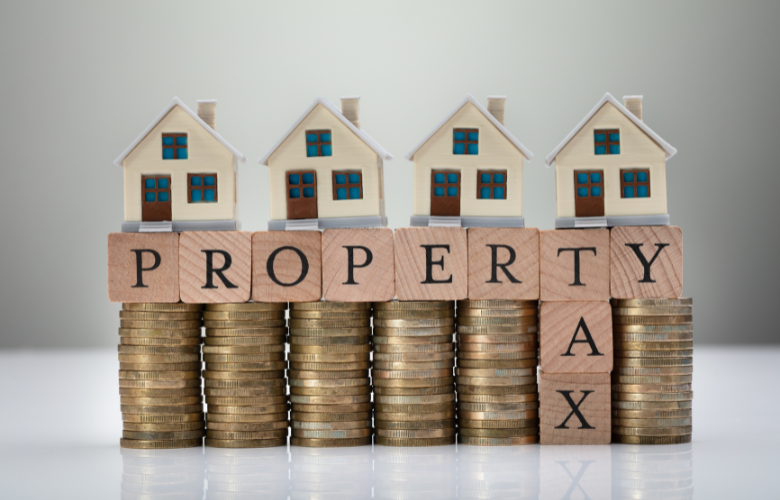
Owning a home in Louisiana comes with unique property tax rules and benefits. This guide breaks it all down so you can save money, avoid surprises, and stay ahead of deadlines.
If you’re new to understanding property taxes, check out our previous blog post: Property Taxes in Mortgages Explained: Frequently Asked Questions
Louisiana boasts some of the lowest property taxes in the United States – but don’t be fooled. For homeowners, these taxes can still add up quickly. Let’s break down everything you need to know about property taxes in the Pelican State.
How Property Taxes Work in Louisiana
Property taxes in Louisiana are a crucial source of funding for local services, including:
- Schools
- Emergency services
- Local infrastructure
- Community development
- Public utilities
In addition, property taxes help support local amenities such as parks, libraries, and recreational facilities, which enhance the quality of life and contribute to community development.
Understanding the Millage Rate System
What is a Millage Rate?
A millage rate is like a special math formula for calculating property taxes. One mill represents $1 of tax for every $1,000 of assessed property value.
The millage rate is a key factor that can significantly affect property taxes for homeowners, as it determines how much tax is owed based on the property’s assessed value and the rates set by local tax authorities.
Millage Rate Calculation Example
- Home Assessed Value: $250,000
- Local Millage Rate: 100 mills
- Calculation: $250,000 ÷ 1,000 × 100 = $25,000 total property tax
Who Sets Property Tax Rates?
Property tax rates are determined by:
- Parish (County) Governments
- Municipal Authorities
- School Boards
- Special Districts
- State-level guidelines
These bodies are responsible for setting the property tax rate in each parish, meaning that Louisiana property tax rates can vary significantly depending on local decisions.
How Property Value is Determined in Louisiana
In Louisiana, the process of determining your property’s value for tax purposes starts with a careful assessment by your local tax assessor. The state relies on a fair market value approach, which means your property is valued based on what it would likely sell for in the current real estate market. Assessors look at a variety of factors, including your property’s location, size, age, condition, and any unique features it may have. They also review recent sales of similar residential properties in your neighborhood to ensure the valuation is accurate and up-to-date.
Once the fair market value is established, Louisiana calculates the assessed value—this is typically set at 10% of the fair market value for residential properties. For example, if your home’s fair market value is $200,000, the assessed value used to calculate your property tax bill would be $20,000. Understanding how your property’s value is determined is essential, as it directly impacts the amount you’ll see on your property tax bill each year.
Fair Market Considerations
Fair market value is at the heart of how property taxes are calculated in Louisiana. Local assessors use recent sales data from comparable properties—often called “comps”—to estimate your property’s market value. They also take into account factors like neighborhood amenities, school districts, zoning laws, and even environmental conditions that could affect property values.
By considering these fair market factors, assessors aim to ensure that property values are consistent and equitable across the state. This approach helps prevent over- or under-assessment, so you’re only paying property taxes on what your property is truly worth in the current market. Staying informed about how fair market value is determined can help you better understand your property tax bill and ensure you’re being taxed fairly.
Key Property Tax Exemptions in Louisiana
Homestead Exemption
Louisiana offers a significant homestead exemption that can dramatically reduce your property tax bill.
The homestead exemption only applies to your primary residence and does not extend to multiple properties owned by the same individual. To qualify, you must meet certain eligibility criteria, such as owning and occupying the home as your primary residence.
Homestead Exemption Highlights
- Protects first $75,000 of home’s assessed value
- Applies to primary residences
- Substantial tax savings for homeowners
- Provides a valuable tax break for qualifying homeowners
Additional Exemptions
1.Senior Citizen Exemption
- For homeowners 65 and older
- Additional property tax relief
- Income and asset limitations apply
- Surviving spouses may continue to receive property tax benefits if they remain in the home.
A surviving spouse can retain the homestead exemption after the death of the homeowner, provided they continue to live in the property.
2.Disabled Veteran Exemption
- Special exemptions for veterans
- Varies based on disability rating
- Significant tax reduction
3.Agricultural Exemptions
- For properties used for farming
- Reduced assessment rates
- Specific qualification requirements
How to Apply for Property Tax Exemptions
Step-by-Step Application Process
- Gather necessary documentation
- Visit local assessor’s office
- Complete exemption application
- Provide proof of eligibility
- Submit before annual deadline
Learn more about Homestead Exemptions in our detailed guide.
When and How Property Taxes Are Paid
Payment Schedule
- Typically paid annually
- Due between November and December
- Some parishes offer installment plans
- Penalties for late payments
Be sure to review your specific tax bill to confirm the exact due dates and payment amounts for your property.
Payment Methods
- Online payment portals
- Mail-in checks
- In-person at local assessor’s office
- Some parishes offer automatic payment options
Understanding Your Property Tax Bill
When you receive your property tax bill in Louisiana, it’s important to know exactly what you’re looking at. Your bill is made up of several key components:
- Assessed Value: This is the value assigned to your property for tax purposes, based on a percentage of its fair market value.
- Millage Rate: The local tax rate, set by various government entities, that is applied to your property’s assessed value.
- Total Tax Due: The final amount you owe, calculated by multiplying your assessed value by the millage rate.
Understanding each part of your property tax bill can help you spot errors, identify opportunities for tax breaks, and plan your finances more effectively. For example, if you qualify for the Louisiana homestead exemption, you’ll see a reduction in your taxable value, which can lead to substantial savings. Reviewing your bill carefully each year ensures you’re not paying more than your fair share and helps you take advantage of all available exemptions and tax relief programs. By staying informed, you can better manage your tax burden and make the most of the benefits available to Louisiana property owners.
Tips to Lower or Manage Your Property Tax Bill
Review Assessment Annually
- Check property valuation
- Challenge incorrect assessments
- Attend local assessment hearings
- Property owners can initiate an appeal process if they believe their assessment is incorrect. The local board is the first authority to hear such appeals before escalating to higher levels. It is important for every property owner to understand their rights in the assessment and appeal process.
Understand Reassessment Rules
- Louisiana reassesses property periodically
- Know your local reassessment schedule
- Prepare for potential changes
Explore Additional Exemptions
- Research all available exemptions
- Consult local tax assessor
- Stay informed about new programs
Parish-Specific Considerations
Notable Differences
- Orleans Parish has unique tax structures
- Baton Rouge has different millage rates
- Rural parishes may have varying exemption rules
How DSLD Mortgage Can Help
Our Property Tax Support
- Mortgage consultation
- Tax strategy guidance
- Local market insights
- Homeowner resources
What We Offer
- Property tax analysis
- Exemption guidance
- Local expertise
- Personalized advice
Avoiding Common Property Tax Mistakes
- Missing exemption deadlines
- Failing to challenge incorrect assessments
- Not understanding local tax rules
- Overlooking available exemptions
Your Property Tax Action Plan
This action plan is designed for Louisiana residents to help manage property taxes and maximize available exemptions.
- Review current assessment
- Check exemption eligibility
- Verify your residency status by ensuring the property is your primary residence and gather proof such as a driver’s license or state ID
- Gather necessary documents
- Apply for exemptions
- Set payment reminders
- Stay informed about local changes
Disclaimer: Tax laws change frequently. Always consult with local tax professionals for the most current information.
Final Thoughts
Understanding Louisiana property tax doesn’t have to be complicated. With the right knowledge and proactive approach, you can manage your tax bill effectively, take advantage of available exemptions, and maximize the tax benefits offered to homeowners.
How much will your mortgage be? You can use DSLD Mortgage’s Mortgage Calculator to estimate your monthly mortgage payment.
Current mortgage rates holding you back? Don’t miss out on these deals! Buy a home with DSLD Mortgage and take advantage of our limited-time mortgage promotions.
Begin Your Home Search with DSLD Homes

To get a feel for the lifestyle that awaits you in a DSLD Homes community, visit one of their communities throughout the Southern Region.
With a diverse selection of floor plans and communities to choose from, you’re sure to find the perfect fit for your lifestyle.


