

Updated January 2024
Your homebuying checklist in 2024 should include the following:
-
Checking and improving your credit score;
-
Establishing a robust savings plan for covering down payments and closing costs;
-
Adjusting your budget to manage future mortgage and homeownership costs;
-
Paying off debt and;
-
Consulting with a mortgage loan officer for personalized advice and clarity on your mortgage options.
As we embrace 2024, we leave behind another eventful year and step into a world of new possibilities. This year symbolizes a fresh start and the perfect opportunity to chase new dreams, especially regarding homeownership.
Starting on the path to buying a new home can be exhilarating and, with the right tools, notably less daunting than you might expect. To support you in this exciting venture, we’ve curated a comprehensive homebuying checklist to ensure you’re well-prepared for this significant life milestone.
Let’s kick off 2024 with confidence and clarity. Here are 5 essential steps from our homebuying checklist to get you on the right track for a successful home purchase this year.
1. Check Your Credit Score
Your credit score is a numerical representation of your creditworthiness. It’s calculated based on factors like your payment history, the amount of debt you owe, the length of your credit history, new credit inquiries, and the types of credit you use. Lenders use this score to assess the risk of lending money to you.
The higher your credit score, the more favorable mortgage terms you can get. A higher score typically translates to lower interest rates, which can save you a significant amount of money over the life of the mortgage. For example, over a 30-year mortgage, a difference of even 0.5% in interest can amount to a substantial sum.
Dealing With Negative Items on Your Credit Report
If you find negative items on your credit report, such as past-due debts or accounts in collections, it’s essential to address these promptly. These issues can significantly lower your credit score. But don’t panic, because you have options:
- Settling Debts: This means paying off the debt, either in full or through a negotiated settlement with the creditor. Paying off these debts can improve your credit score, although it may not remove the history of the debt from your credit report.
- Disputing Inaccuracies: If you believe an item on your credit report is inaccurate, you have the right to dispute it with the credit reporting agencies. If the dispute is resolved in your favor, the item will be removed from your report, which can improve your score.
Regularly monitoring your credit report allows you to track your credit score, understand how your financial behavior affects it, and spot any inaccuracies or fraudulent activities early on.
Preparing for Home Purchase
By taking these steps to understand and improve your credit score, you can put yourself in a better position when applying for a mortgage. This preparation can lead to more favorable loan terms and make the homebuying process smoother and more affordable.
For those with limited or no credit history, now is an ideal time to start building a positive record. Consider applying for a credit card for routine expenses, like gas, and ensure you pay the full amount each month. Also, remember that consistent, on-time rental payments can significantly bolster your credit profile. By taking these steps early in 2024, you’re laying a strong foundation for a smooth homebuying process.
Being proactive about your credit score is a crucial step in preparing for a home purchase. It helps you understand your financial standing and empowers you to secure better mortgage terms, ultimately influencing your long-term financial health.
2. Start Saving
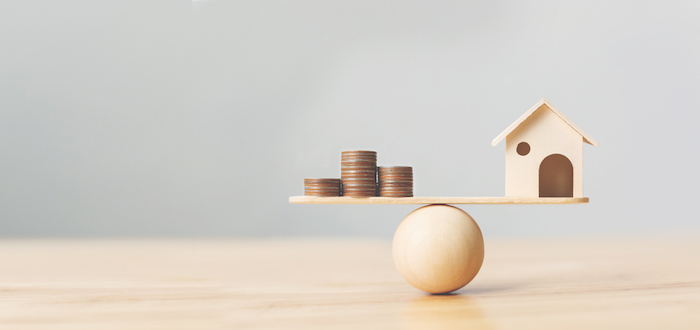
As part of your homebuying checklist, developing a robust saving plan is essential. Remember, buying a home isn’t just about the property’s price. It also involves various upfront costs, including but not limited to the down payment, closing costs (like appraisal fees, title insurance, and attorney fees), moving expenses, and immediate home repairs or improvements. These costs can add up quickly, and being financially prepared is essential.
While there are mortgage options such as VA (Veterans Affairs) Loans for military personnel and USDA Loan applications (United States Department of Agriculture) for rural property buyers that may not require a down payment, most traditional mortgage loans do — and the size of that down payment can significantly impact your mortgage rates and the equity you start with in your home. A larger down payment often means lower interest rates and more favorable mortgage terms.
Closing costs typically range from 2% to 5% of the home purchase price. These costs cover various fees and processing expenses required to finalize a mortgage. Savings to cover these costs are crucial, as they usually need to be paid upfront and can’t always be rolled into the mortgage loan.
Aside from closing costs, other expenses should be factored into your savings plan. These include moving costs, immediate home repairs, or buying any necessary appliances. It’s wise to have a cushion for unforeseen expenses as well.
Creating a Savings Plan
- Set a Savings Goal: Set a clear savings goal based on the type of home you’re considering and the associated costs.
- Budgeting: Adjust your budget to allocate a certain amount of your income towards your homebuying savings. This may involve cutting down on non-essential expenses.
- Emergency Fund: Ensure you have an emergency fund in place that’s separate from your homebuying savings. This fund should cover at least 3-6 months of living expenses for unforeseen circumstances.
- Time Frame and Discipline: Define a realistic time frame for your savings plan. Discipline in sticking to your budget and savings goal is key to accumulating the required funds within this period.
- Monitoring Progress: Regularly review and adjust your savings plan as needed. Keep an eye on how your savings are growing and whether you’re on track to meet your goal.
A robust savings plan is a cornerstone of your homebuying checklist. It ensures that you’re financially prepared for all the expenses involved in purchasing a home beyond just the down payment. By diligently saving and budgeting, you can position yourself for a smoother and more financially secure homebuying process.
This approach will prepare you for the immediate costs of purchasing a home and ensure you’re financially comfortable in your new living situation. Never overlook the value of having a good financial spring clean to boost your savings, as it could be the key to a better financial future.
3. Set Up a New Budget
An integral part of your homebuying checklist is setting up a new budget, especially if you’re considering a home with a higher mortgage payment. When you decide to buy a home, it’s essential to reevaluate your current financial situation. Your budget is central in determining how comfortably you can afford your new home.
To prepare for the higher mortgage costs associated with your new home, follow these steps:
- Review Your Current Budget: Start by assessing your existing budget. This includes tracking your income, expenses, and savings. Understanding your current financial situation is the first step in making informed decisions.
- Estimate Mortgage Payments: Calculate the estimated mortgage payments for the home you’re considering. You should include the principal and interest on the loan, property taxes, homeowner’s insurance, and potentially private mortgage insurance (PMI) if your down payment is less than 20%.
- Adjust Your Budget: Modify your budget to simulate the increased mortgage costs. Here’s how:
- Income: Consider if there are ways to increase your income, such as seeking a higher-paying job, taking on a part-time job, or pursuing other sources of income.
- Expenses: Review your current expenses and identify areas where you can cut back. This might involve reducing discretionary spending, dining out less frequently, or finding more cost-effective ways to meet your needs.
- Savings: Ensure that your budget still allows for saving money, including contributions to retirement accounts, emergency funds, and other financial goals.
- Emergency Fund: Maintain or increase your emergency fund. Owning a home comes with unexpected expenses, such as repairs or maintenance. An adequate emergency fund provides a financial safety net.
- Savings for Down Payment: If your budget adjustments reveal that you need to save more for a down payment, allocate a portion of your budget toward this goal. A larger down payment can lead to better mortgage terms.
- Regularly Review and Adjust: Your budget shouldn’t be a one-time exercise. Continuously monitor your budget as you move forward in the homebuying process. If you encounter any changes in your income, expenses, or goals, adjust your budget accordingly.
- Seek Professional Advice: If you need help adjusting your budget or want to ensure you’re making the best financial decisions, consider consulting a financial advisor. They can provide personalized guidance based on your unique financial situation.
Setting up a new budget is a fundamental part of your homebuying checklist, particularly when considering a home with a higher mortgage payment. It empowers you to make informed decisions, ensure financial stability, and ultimately make the homebuying process a financially sound and sustainable endeavor. Remember, budgeting isn’t just about curtailing expenses. It’s about smart financial planning so you can comfortably afford your future home.
4. Pay Off Debts

Deepening your focus on debt repayment is crucial for enhancing your mortgage prospects. Analyze your debts, identifying those with the highest interest rates, as these are typically the most costly over time. Prioritize their repayment to minimize overall interest paid.
Debt consolidation involves combining multiple debts, such as credit card balances, student loans, or personal loans, into a single, manageable loan. This simplifies debt repayment and can potentially lead to lower interest rates. There are several advantages to this strategy.
- Simplified Repayment: Consolidating debts reduces the number of creditors and monthly payments you need to manage, making your financial life more organized.
- Lower Interest Rates: Depending on the method of consolidation, you may secure a lower interest rate, which can save you money on interest payments.
- Fixed Monthly Payment: With a consolidated loan, you have a fixed monthly payment, making it easier to budget and plan.
As part of your homebuying checklist, continue to review and adjust your budget regularly. Allocate a portion of your budget to debt repayment while maintaining a comfortable lifestyle.
Implement a debt reduction strategy such as the debt snowball (paying off the smallest debts first) or the debt avalanche (paying off the highest-interest debts first) to tackle your debts efficiently. It’s also a smart idea to set up automatic payments to ensure that you consistently make debt payments on time. There are more than a few benefits of efficient debt management if you’re hoping to buy a new home in 2024:
- Improved Credit Score: Effective debt management — including on-time payments and reducing outstanding balances — can significantly improve your credit score. As already highlighted, a higher credit score can lead to better mortgage rates.
- Demonstrated Financial Responsibility: Lenders look for evidence of responsible financial behavior. Consistently managing your debts demonstrates your ability to handle financial obligations.
- Enhanced Appeal: Being responsible with your money enhances your attractiveness to lenders, resulting in more favorable mortgage terms and increased chances of loan approval.
Of course, by reducing your debts, you can also lower your debt-to-income ratio (DTI), which is a critical factor in mortgage applications. A lower DTI is generally more attractive to lenders. Effective debt management increases your overall financial stability, making homeownership more affordable and sustainable.
With a well-managed budget and reduced debts, you’ll be better prepared for the homebuying process, with fewer financial obstacles to overcome.
Consolidating debts and efficiently managing your debt are essential steps in your homebuying checklist. These actions improve your financial health and enhance your attractiveness to lenders, ultimately leading to a more favorable mortgage application and a smoother homebuying journey. By taking control of your finances, you can set yourself up for long-term financial success as a homeowner.
5. Speak with a Mortgage Loan Officer
Engaging with a mortgage Loan Officer is a pivotal step in your homebuying checklist. Starting this conversation early in your homebuying journey can clarify many aspects of the mortgage process.
When considering the homebuying process, especially for first-time buyers, understanding the role of a Loan Officer and their impact on your journey is crucial. A Loan Officer is a critical player in the mortgage industry, acting as a bridge between potential homebuyers and lenders.
Their expertise lies in offering tailored advice that aligns with your unique financial situation and homebuying goals. After all, mortgages aren’t one-size-fits-all. Here’s how they contribute to your homebuying checklist:
- Understanding Mortgage Options: The Loan Officer helps you comprehend the array of mortgage products available, including fixed-rate mortgages, adjustable-rate mortgages, government-insured loans like FHA Loans, VA Loans, USDA Loans, and Conventional Loans. They’ll explain the nuances of each type and help you identify which is most suitable for your financial situation and long-term goals.
- Clarity on Requirements and Procedures: They’ll also outline the specific requirements for each type of mortgage, such as down payment percentages, credit score thresholds, debt-to-income ratios, and other qualifying criteria. This information is vital in preparing you for the financial aspects of homebuying.
- Pre-Approval Process: Loan Officers can guide you through the pre-approval process, a critical step in the homebuying journey. Pre-approval involves assessing your financial health and gives you an idea of the mortgage amount you might qualify for. This step also makes you a more attractive buyer to sellers.
- Budgeting and Affordability: By understanding your financial situation, a Loan Officer can assist in creating a realistic budget. This budget will consider mortgage payments and other associated costs like property taxes, homeowners insurance, and maintenance expenses.
- Navigating Interest Rates and Fees: Loan Officers will explain how interest rates work and their impact on your monthly mortgage payments and overall loan cost. Additionally, they’ll break down the various fees involved in obtaining a mortgage, such as origination fees, appraisal fees, and closing costs.
- Customized Advice: Perhaps most importantly, a Loan Officer provides personalized advice. They consider your financial health, lifestyle, and future plans to recommend the best course of action. This might include tips on improving your credit score, advice on saving for a larger down payment, or strategies for choosing the right loan term.
- Alleviating Uncertainties: With their expertise, Loan Officers can demystify the complex aspects of the mortgage process. This reduces uncertainties and stress, allowing you to approach the homebuying process with more confidence.
- Continuous Support: A Loan Officer remains a valuable resource from the initial consultation to closing the deal. They can answer questions that arise, provide updates on the status of your loan application, and help resolve any issues.
Incorporating a Loan Officer into your homebuying checklist can significantly enhance your understanding and preparedness for the journey ahead. They provide essential information and guidance, tailoring their advice to suit your specific needs, ensuring a smoother, more informed homebuying experience.
Start Your Homebuying Journey with Confidence
As we wrap up our homebuying checklist for 2024, remember that each step you take is an investment in your future. Understanding your credit score, saving strategically, managing debts, and seeking expert advice are more than just tasks; they’re milestones on the path to owning your dream home.
Navigating the complexities of homebuying can be challenging, but you’re not alone. Our team of experienced mortgage experts is here to offer personalized guidance and support.
Embrace the journey with confidence and clarity. The proper guidance can transform homebuying from a daunting endeavor into an exciting, achievable goal.
Take action today! Schedule your free consultation with our mortgage professionals. Let’s work together to make your homeownership dreams a tangible reality in 2024. Your perfect home is within reach, and we’re committed to helping you every step of the way.
References
- Investopedia — What Is a Credit Score? Definition, Factors, and Ways to Raise It. May 17, 2023
- NerdWallet — How To Use the Debt Snowball Method To Pay Off Debt. September 2023
- Consumer Financial Protection Bureau — What is a debt-to-income ratio? August 2023


