

Updated 04/29/2025
Whether you’re wondering if it is better to build or buy a house or you’ve already decided to buy or build a house, it’s a crucial decision that will impact your future. The choice between building a new home and purchasing an existing one isn’t just a financial one; it’s also an emotional decision. Your lifestyle, long-term goals, and personal preferences all play a role in determining the right choice for you.
In this post, we’ll explore the pros and cons of both options to help you decide whether you should build or buy a house and how to finance each option effectively. Understanding the advantages and disadvantages will allow you to make the best decision that fits your unique needs.
Build vs Buy a House: Pros and Cons
If you’re reading this article, you’ve likely already thought about whether you should build or buy a house and have an idea of which option is best for you.
Here are some key pros and cons to consider when weighing the choice between building a house vs buying an existing one.
Or, if you’re already leaning toward building, you may want to check out our guide on how to finance a new construction home.
Building a House
| Pros | Cons |
| Customization and contemporary layouts. | Higher upfront costs. |
| Control over the quality of construction materials and workmanship. | Lengthy Process. |
| Low maintenance. | Complexity. |
| Eco-friendly features. | Potential to go over budget. |
| Energy efficiency. | Can face delays. |
| Builder warranties and compliance with current building codes and standards. | Harder to secure finance, and a down payment is required. |
| Location flexibility. | The application and approval process is more complex and time-consuming. |
| Potential to make immediate equity gains. | Often have higher interest rates and closing costs. |
Buying an Existing Property
| Pros | Cons |
| Convenience and immediate occupancy. | Limited customization. |
| Generally less expensive. | May have renovation requirements. |
| Established neighborhoods. | Generally, it will have lower energy efficiency. |
| Potential to renovate and increase value. | Typically, it will have higher maintenance costs. |
| Older features and finishes. | Limited location flexibility. |
| Typically, it will have lower interest rates and better terms. | |
| Easier to secure finance. | |
| Set price. |
Related Reading: 5 Reasons to Speak with a Loan Officer
New Homes vs. Building a New Construction Home
When deciding whether to build or buy a house, it’s important to know that building from scratch isn’t your only path to a brand-new home. While new construction homes give you full control over design and layout, they also come with more complexity, longer timelines, and potentially higher costs.
If you’d prefer to skip the stress of managing construction but still want a modern floor plan and new finishes, buying a newly built home might be the better option. These homes offer the advantages of new construction—such as energy efficiency, updated layouts, and compliance with current building codes—without the wait.
Plus, when you buy a new home that’s already completed, you can often finance it with a traditional permanent mortgage. That means you may qualify for options like VA Loans or USDA Loans, which could allow you to purchase with little or no down payment.
Related Reading: 4 First-Time Homebuyer Programs
How to Finance a New Construction Home: A Comprehensive Guide
If you’re asking yourself, “Should I build or buy a house?” one of the first things to consider is how you’ll pay for it. Financing a new construction home works differently from getting a mortgage for an existing property. Here’s a detailed guide to help you understand your options and what to expect when financing a newly built home.
How Home Construction Loans Work
When you choose to build a house, you’ll typically use a construction loan. These loans are released in phases, based on a predetermined draw schedule aligned with key stages like foundation, framing, and roofing. During construction, you usually make interest-only payments on the funds drawn, which keeps initial costs more manageable.
Types of Home Construction Loans
There are two common types of home construction loan, each with its own pros and cons:
- Stand-Alone Construction Loan: Also called a Construction-Only Loan, this short-term option covers just the building phase. Once the home is complete, you’ll need to refinance into a traditional mortgage — meaning two applications and two sets of closing costs.
- Construction-to-Permanent Loan (C2P): This is a single loan that funds both the construction and the permanent mortgage. You’ll make interest-only payments during construction, and once the home is built, the loan automatically converts into a standard mortgage — saving time and reducing fees.
So, is it better to build or buy a house? Well, the simplicity of a Construction-to-Permanent Loan can be a compelling reason to build.
How to Secure a Home Construction Loan
To qualify for a Home Construction Loan, most lenders require the following:
- A minimum 20% down payment
- A credit score of at least 680
- A debt-to-income ratio (DTI) below 45%.
The approval process usually takes between 30 and 45 days and involves several steps:
Step 1: Planning and Preparation
Before applying, gather detailed building plans, a construction timeline, blueprints, and a breakdown of costs for materials, labor, land, and permits. Include a contingency buffer for unexpected expenses.
Step 2: Choosing a Lender
Not every lender offers Construction Loans, and those who do may vary in terms. Shop around and compare rates, terms, and experience. A mortgage expert can help guide your decision.
Step 3: Submitting Your Application
You’ll need to provide:
- Project plans and timeline
- A full construction budget
- Financial statements and credit reports
- Proof of land ownership or purchase agreement
- Builder contracts and licenses.
Step 4: Appraisal and Underwriting
The lender will appraise the expected value of your completed home and evaluate your financial profile. This ensures the loan amount is aligned with the future property value and that you’re financially ready to take on the project.
Tips for Successful Home Construction Financing
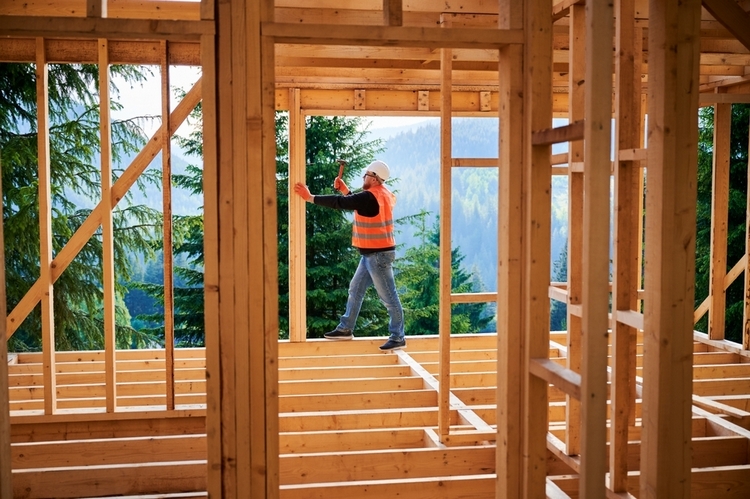
If you’ve decided to build instead of buy a house, it’s important to prepare thoroughly so your financing process goes as smoothly as possible. Whether you’re still thinking of either building or buying a house or have already made the choice, the tips below will help you handle the construction loan process with confidence:
- Work with experienced professionals: Choose a licensed, reputable builder and contractor with a strong track record in residential construction. Your lender may require this as part of the loan approval process.
- Maintain good credit: A higher credit score can help you qualify for better rates and terms on a construction loan, making your choice to build a house more affordable in the long run.
- Prepare for contingencies: Building costs can change unexpectedly. Set aside a contingency fund to cover delays, material price increases, or design adjustments.
- Stay involved throughout the project: Communicate frequently with your builder and lender. This ensures you stay informed about both the progress of your home and the financial aspects of your construction loan.
Following these steps will put you in a stronger position, whether you ultimately decide to buy or build a house. If you’re still weighing your options, keeping your finances in shape and choosing the right team will make either path easier.
Achieve Homeownership with Confidence
Still wondering if you should build or buy a house? Whether you’re leaning toward new construction or an existing home, DSLD Mortgage is here to help you explore your options and secure the right financing.
Our experienced mortgage professionals can walk you through your decision-making process, from comparing whether it’s better to build or buy a house in your unique financial setup to understanding how financing differs when you buy or build a house. No matter which option you choose, we’ll make sure you’re fully informed and financially prepared.
Take the first step today. Book your free loan consultation and start turning your dream home into a reality.
How much will your mortgage be? You can use DSLD Mortgage’s Mortgage Calculator to estimate your monthly mortgage payment.
Current mortgage rates holding you back? Don’t miss out on these deals! Buy a home with DSLD Mortgage and take advantage of our limited-time mortgage promotions.
Article Sources
- Business Insider. “Guide to Understanding Construction Loans.” 21 November, 2024
- US News & World Report. “How to Get a Home Construction Loan” 22 April, 2024
- Forbes. “Construction Loans: What They Are And How They Work” 14 June 2023.
Find Your Perfect Home with DSLD Homes

Discover what life could look like in a DSLD Homes community by stopping by one of our many locations throughout the Southern United States.
With an extensive selection of thoughtfully designed floor plans and vibrant communities, you’re sure to find a new home that fits your lifestyle and goals.


