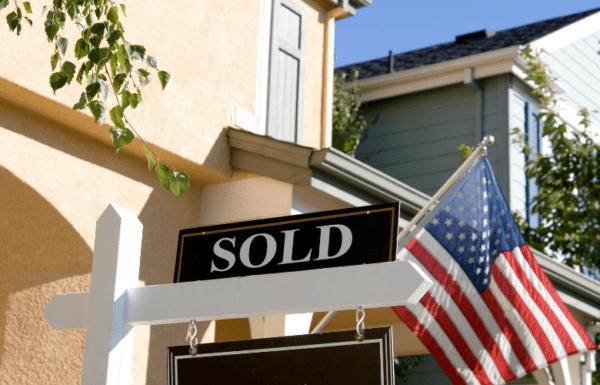
When you buy a house through ‘as is home sales,’ you’re agreeing to purchase the property in its current condition, including any defects or problems. While this often means a lower purchase price, it also means the seller won’t make repairs or offer credits for issues discovered during inspection.
Understanding 'As Is' Home Sales
Buying a house “as is” doesn’t mean you’re completely on your own. However, purchasing a home as is means the seller won’t fix any problems, whether they’re known before the sale or discovered during inspections. You still have rights as a buyer, and the seller must disclose known major defects.
What Does “As Is” Mean in a Real Estate Transaction?
In a real estate transaction, “as is” refers to the sale of a property in its current condition, without any warranties or guarantees from the seller. This means that the buyer is purchasing the property exactly as it is, with all its existing flaws and defects, and the seller is not responsible for making any repairs or improvements. The term “as is” is often used to convey that the seller is not willing to negotiate or make concessions regarding the property’s condition.
Why Do Sellers Offer Homes “As Is”?
Sellers may offer homes “as is” for various reasons, including:
- To avoid the cost and hassle of making repairs or improvements
- To sell the property quickly, without waiting for repairs to be completed
- To disclose known defects or issues with the property
- To avoid potential liability for undisclosed defects
- To attract buyers who are looking for a fixer-upper or a property at a lower price
Disclosure and Legal Considerations
While sellers offering homes “as is” won’t make repairs, they must still provide honest information about the property’s condition. State laws require sellers to disclose major known defects that could affect the property’s value or safety. This includes:
- Structural issues
- Water damage
- Electrical problems
- Environmental hazards
- Previous repairs
- Lead-based paint
However, sellers are only required to disclose problems they know about – they don’t have to search for issues they’re unaware of.
The Importance of Home Inspections
When buying “as is,” a thorough home inspection becomes even more critical. Your inspector should check:
The Foundation and Structure Look for cracks, settling, and other structural concerns that could be expensive to repair.
Major Systems Examine electrical, plumbing, and HVAC systems to understand their condition and remaining lifespan.
Roof and Exterior Check for damage, leaks, and needed repairs that could lead to bigger problems.
Additionally, conducting due diligence is essential to identify potential issues and necessary repairs, ensuring that the benefits of purchasing the home outweigh the risks.
Financing Options
Traditional Mortgages
Many “as is” properties won’t qualify for conventional loans due to their condition. However, if the entire property meets minimum property requirements, you might still qualify for:
- Conventional loans
- FHA loans
- VA loans (for eligible veterans)
Renovation Loans
Consider these options for properties needing significant work:
- FHA 203(k) loans
- Fannie Mae HomeStyle loans
- VA renovation loans
Renovation loans can be used to finance a property as is and address its repair needs.
Financing Considerations for “As Is” Homes
Financing an “as is” home can be challenging, as lenders may be hesitant to approve a loan for a property with known defects or issues. However, there are some financing options available, including:
- Government-backed loans, such as FHA or VA loans, which may offer more lenient credit and appraisal requirements
- Hard money loans, which are short-term, high-interest loans that can be used to purchase and renovate a property
- Private money loans, which are loans from private investors or companies that can be used to purchase and renovate a property
- Owner financing, which is a type of financing where the seller agrees to finance the purchase of the property
Additional Protections
Home Warranty
While buying “as is” means accepting current problems, a home warranty can help protect against future issues. Home warranties can cover specific aspects of the home, providing added protection. Consider:
- Systems coverage
- Appliance protection
- Added peace of mind
Title Insurance
Always get title insurance to protect against:
- Ownership disputes
- Liens
- Legal claims
- Documentation errors
An experienced real estate agent can ensure proper documentation and help you secure title insurance.
Benefits and Drawbacks of Buying an “As Is” Home
Buying an “as is” home can be a great way to purchase a property at a lower price, but it’s essential to carefully consider the potential benefits and drawbacks before making a decision.
Benefits of Buying an “As Is” Home
Some benefits of buying an “as is” home include:
- Lower purchase price: “As is” homes are often priced lower than comparable properties in the same area.
- Opportunity for renovation: Buyers can use the savings from the lower purchase price to renovate and improve the property.
- Faster closing: “As is” sales can often close faster than traditional sales, as there are fewer contingencies and negotiations.
- Less competition: Some buyers may be deterred by the “as is” designation, which can result in less competition for the property.
However, it’s essential to carefully consider the potential drawbacks of buying an “as is” home, including the risk of hidden defects, structural problems, and costly repairs.
Making Your Decision
Before purchasing an “as is” property, consider:
The True Cost
- Purchase price
- Needed repairs
- Future maintenance
- Insurance implications
Your Skills and Resources Consider whether you have:
- DIY abilities
- Contractor connections
- Financial reserves
- Time for projects
How DSLD Mortgage Helps
We support “as is” buyers by:
- Explaining financing options
- Connecting with renovation loans
- Providing local resources
- Guiding through the process
Next Steps
If you’re considering an “as is” purchase:
- Get a thorough inspection
- Review seller disclosures carefully
- Calculate total costs
- Explore financing options
- Consider future repairs
Contact DSLD Mortgage to discuss your financing options for an “as is” property purchase. We’ll help you understand your choices and find the best solution for your situation.
Note: Requirements and regulations vary by state. Consult legal and real estate professionals for specific advice.
How much will your mortgage be? You can use DSLD Mortgage’s Mortgage Calculator to estimate your monthly mortgage payment.
Current mortgage rates holding you back? Don’t miss out on these deals! Buy a home with DSLD Mortgage and take advantage of our limited-time mortgage promotions.
Begin Your Home Search with DSLD Homes

To get a feel for the lifestyle that awaits you in a DSLD Homes community, visit one of their communities throughout the Southern Region.
With a diverse selection of floor plans and communities to choose from, you’re sure to find the perfect fit for your lifestyle.


