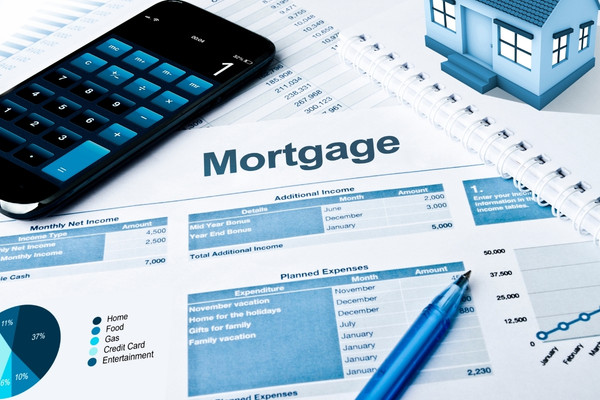
At DSLD Mortgage, we understand that the path to homeownership might seem challenging when working with a limited income. However, several specialized loan programs are designed specifically to help make your homeownership dreams a reality.
Conventional loans are a common financing option, but they may not always be accessible for low-income individuals.
Understanding Your Financial Situation
Understanding your financial situation is crucial when considering buying a house with low income. It’s essential to assess your income, expenses, and financial resources to determine how much house you can afford and what type of mortgage you may qualify for.
Assessing Your Income and Expenses
To start, take a close look at your income in relation to your expenses. Determine if you have room to spend more on your monthly mortgage payment than you’re currently paying on rent. Assess your expenses and see if there are any items you can cut back on to increase your wiggle room. Consider using the 50/30/20 rule as a guideline: 50% of your income should go towards necessary expenses like rent, utilities, and groceries, 30% towards discretionary spending, and 20% towards saving and debt repayment.
Setting a Realistic Budget
Once you have an idea of your income and costs, you can set your homebuying budget. Use a mortgage calculator to determine a monthly payment you’re comfortable with. Check Freddie Mac for current mortgage rates to get an idea of where rates stand. Consider factors like property taxes, insurance, and maintenance costs when determining how much house you can afford. This will help you set a realistic budget and avoid overextending yourself financially.
Understanding Your Credit Score and History
Your credit score and history play a significant role in determining your mortgage eligibility and interest rate. A good credit score can help you qualify for better loan terms and lower interest rates. Check your credit report and work on improving your score by paying down debts and making timely payments. Aim for a minimum credit score of 620 to qualify for most mortgage programs. Remember, the higher your credit score, the better your chances of securing favorable loan terms.
FHA Loans: The Popular Choice for FHA Loans
The Federal Housing Administration (FHA) loan program stands as one of the most accessible paths to homeownership for low-income buyers. With a credit score of 580 or higher, you can qualify for a down payment as low as 3.5% of the purchase price. Even if your credit score falls between 500-579, you may still qualify with a 10% down payment.
What makes FHA loans particularly attractive is their flexibility with debt-to-income ratios. While traditional loans might require stricter ratios, FHA loans may accept higher debt-to-income ratios, especially if you demonstrate strong payment history or have significant savings. Lowering your debt-to-income ratio by paying down high-interest debts can also enhance your chances of securing a mortgage.
FHA mortgage insurance is required throughout the life of the loan with less than 20% down, but this added cost often proves worthwhile for the opportunity to become a homeowner sooner rather than later.
VA Loans: Honoring Our Service Members
For veterans, active-duty service members, and eligible surviving spouses, VA loans offer unparalleled benefits. The Department of Veterans Affairs provides a guarantee on these loans, allowing lenders like DSLD Mortgage to offer exceptional terms.
Key VA loan benefits include: No down payment requirement for qualified borrowers No monthly mortgage insurance More flexible credit requirements Competitive interest rates Limited closing costs
To qualify, you’ll need to meet minimum service requirements and obtain a Certificate of Eligibility (COE). DSLD Mortgage can help you navigate this process and determine your eligibility.
USDA Loans: Rural Housing Opportunities
The USDA loan program opens doors for low to moderate-income families in rural and some suburban areas. This program’s standout feature is the ability to finance 100% of the home’s purchase price – meaning no down payment is required.
To qualify for a USDA loan, you must: Purchase a home in a USDA-eligible area, meet income limits (typically up to 115% of the median income for your area), maintain a credit score of at least 640, demonstrate stable employment history, and plan to use the home as your primary residence.
State and Local Assistance Programs
Beyond federal loan programs, many states and local organizations offer additional help for low-income homebuyers:
Down Payment Assistance (DPA): Programs that provide grants or low-interest loans to help with your down payment and closing costs. Some programs even offer loans with low or zero down payments.
Housing Counseling Services: Free or low-cost guidance to help you understand the homebuying process and improve your financial readiness.
First-Time Homebuyer Programs: Special initiatives that combine favorable loan terms with educational support. Private mortgage insurance is typically required when the down payment is less than 20%.
Saving for a Down Payment
Saving for a down payment can be challenging for low-income buyers. However, there are various tips and strategies to help save for a down payment.
Start saving for your down payment early. Commit to saving a portion of each paycheck to savings. Use a high-yield savings account to earn interest on your savings. Consider setting up automatic transfers from your checking account to your savings account. Cut back on unnecessary expenses and allocate that money towards your down payment fund. Look into down payment assistance programs, such as FHA loans, VA loans, and USDA loans, which offer lower down payment options or no down payment requirements. These programs can significantly reduce the amount you need to save, making homeownership more attainable for low-income buyers.
The DSLD Mortgage Advantage
Our team specializes in working with low-income buyers by:
Providing detailed program explanations and requirements, including how mortgage lenders consider factors like debt-to-income ratios and income stability when assessing loan qualifications
- Helping gather necessary documentation
- Offering guidance on improving qualification odds
- Creating customized financing solutions, some of which may allow you to avoid having to pay mortgage insurance under certain conditions
- Supporting you throughout the entire process
Contact DSLD Mortgage Today
Ready to explore your home buying options? Our experienced team will help you: Understand available loan programs Review your qualification status Create a personalized action plan Begin your journey to homeownership
Don’t let a lower income stop you from achieving your dream of homeownership. Contact DSLD Mortgage today to learn how we can help make your homeownership goals a reality.
Note: Loan program availability and requirements may vary. Contact DSLD Mortgage for current options and eligibility requirements specific to your situation.
How much will your mortgage be? You can use DSLD Mortgage’s Mortgage Calculator to estimate your monthly mortgage payment.
Current mortgage rates holding you back? Don’t miss out on these deals! Buy a home with DSLD Mortgage and take advantage of our limited-time mortgage promotions.
Begin Your Home Search with DSLD Homes

To get a feel for the lifestyle that awaits you in a DSLD Homes community, visit one of their communities throughout the Southern Region.
With a diverse selection of floor plans and communities to choose from, you’re sure to find the perfect fit for your lifestyle.